










The data is clear, the numbers are worrying, and for many experts in the field of psychiatry and public health, the outlook remains profoundly uncertain. While the physical toll of the COVID-19 pandemic has been documented through daily infection rates and hospitalizations, a "shadow pandemic" has been quietly spreading across the United States. This secondary crisis—defined by skyrocketing rates of depression, anxiety, and suicidal ideation—threatens to leave a lasting scar on the American psyche long after the physical virus has been contained.
Since the onset of the pandemic in early 2020, researchers have been sounding the alarm on a precipitous decline in national mental well-being. What began as a reaction to temporary lockdowns has evolved into a chronic public health challenge. New longitudinal data suggests that while some metrics have stabilized, the prevalence of mental health struggles remains nearly three times higher than pre-pandemic levels, signaling a fundamental shift in the nation’s emotional landscape.
Main Facts: A Nation Under Pressure
The current state of American mental health is characterized by a persistent elevation of psychological distress across nearly all demographic groups. According to the COVID States Project—a massive, joint research initiative involving Northeastern, Harvard, Northwestern, and Rutgers Universities—the mental health of the citizenry has not returned to "normal," even as vaccines became widely available and social restrictions eased.
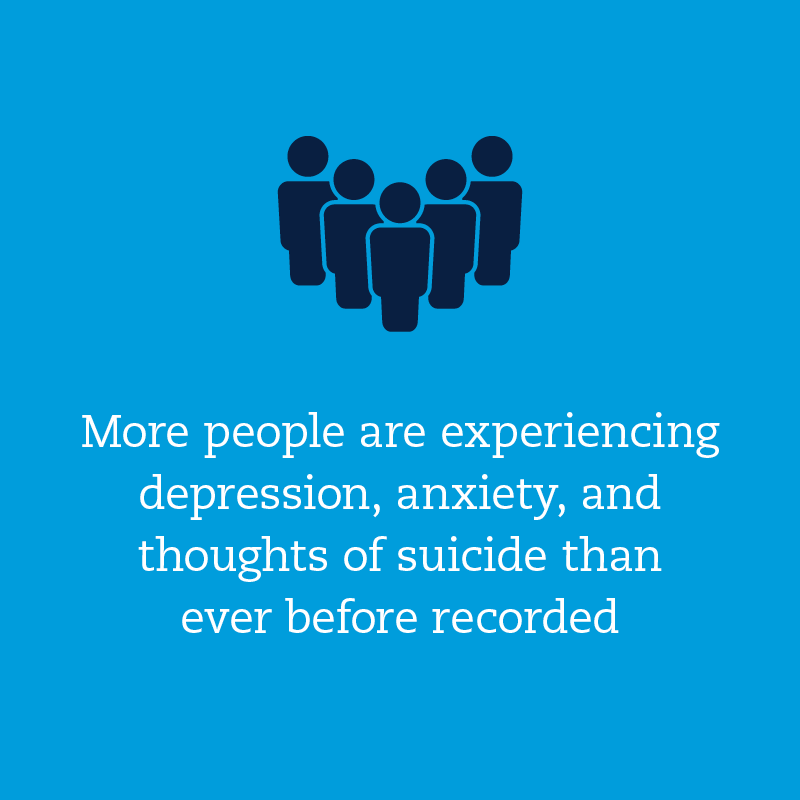
Key findings from recent surveys indicate that 28% of Americans report symptoms of depression severe enough to warrant a clinical referral for evaluation and treatment. To put this in perspective, this figure reached a staggering peak of 30% in December 2020. While the slight decline to 28% offers a glimmer of hope, the number remains a haunting outlier compared to the 8% to 9% range typically observed in the pre-COVID era.

Anxiety follows a similar trajectory, with 25% of the population reporting elevated levels. Perhaps most concerning to public health officials is the rate of suicidal ideation. Roughly 23% of respondents reported thinking of suicide at least occasionally—a figure that has remained tragically stagnant since the height of the winter surge in 2020. These statistics represent more than just data points; they represent a significant portion of the workforce, the student body, and the family unit living in a state of high-functioning or debilitating crisis.
Chronology: From Lockdown Shock to Chronic Fatigue
To understand the current crisis, one must look at the timeline of the psychological impact of the pandemic. The mental health trajectory of the U.S. can be divided into three distinct phases:
Phase I: The Acute Shock (March 2020 – June 2020)
In the spring of 2020, the primary drivers of mental distress were fear of the unknown and the sudden loss of social structures. Anxiety spiked as the "stay-at-home" orders were implemented. However, by late June 2020, there was a brief "low" point in depression rates, which dipped to 25% as the first wave seemed to subside and a sense of collective resilience took hold.
Phase II: The Winter of Despair (July 2020 – December 2020)
As the pandemic dragged into the autumn and winter months, "pandemic fatigue" set in. The loss of holiday traditions, the rising death toll, and the economic instability led to the highest recorded rates of depression (30%) and anxiety (28%) in December 2020. This period marked the height of the mental health crisis, characterized by a sense of hopelessness and isolation.
Phase III: The Uneven Recovery (January 2021 – Present)
The introduction of vaccines and the reopening of the economy in early 2021 brought a marginal improvement in mental health metrics. However, the recovery has been far from linear. The current 28% depression rate suggests that for many, the trauma of the previous year has transitioned into a chronic condition. The "uncertain outlook" mentioned by experts refers to this plateau—where the numbers have stopped rising but refuse to fall back to historical norms.
Supporting Data: Demographics and the Pediatric Emergency
The impact of the pandemic has not been distributed equally. Data reveals a stark "age gap" in mental health outcomes, with younger generations bearing the brunt of the emotional fallout.
The Vulnerability of Young Adults
Of those surveyed by the COVID States Project, young adults (ages 18–24) were the hardest hit. A staggering 42% of this group met the criteria for at least moderate depression. In contrast, the 25–44 age bracket reported a 32% rate, and the 45–64 bracket reported 20%. Interestingly, those aged 65 and older reported the least impact, with only 10% meeting the criteria for moderate or greater depression.
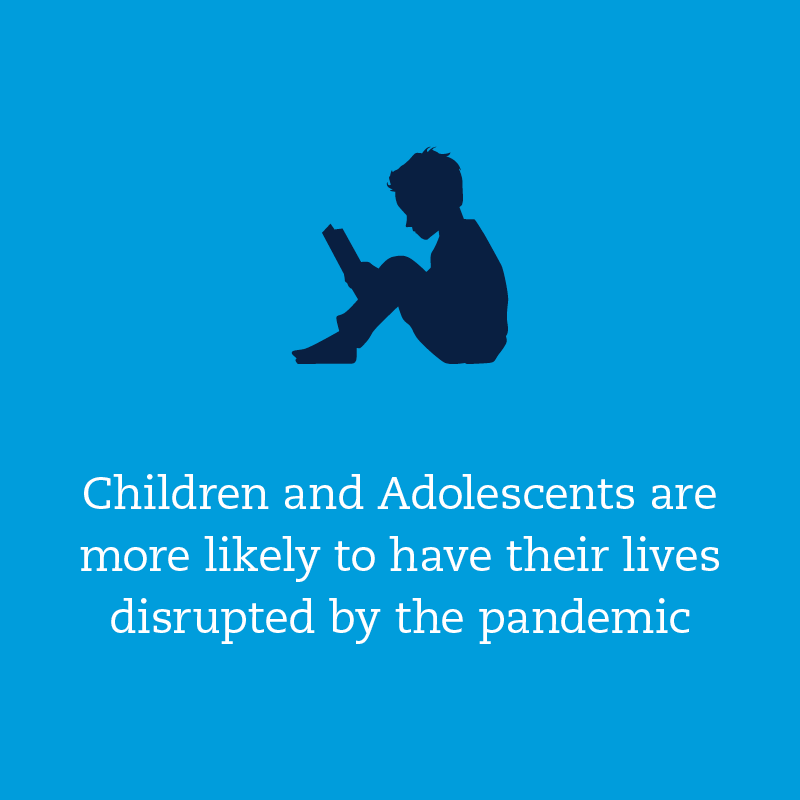
David Lazer, a professor of political science and computer sciences at Northeastern University, attributes this to the "dynamic" nature of youth. "They’re finishing school, getting a job, starting a family—all things that are more likely to be disrupted by the pandemic," Lazer noted. For a 20-year-old, a year of isolation represents a larger percentage of their conscious life and a disruption of more critical developmental milestones than it does for a retiree.
The Pediatric Crisis and Emergency Medicine
The crisis extends even further down the age scale to children and adolescents. A study published in April by the Children’s Hospital of Philadelphia (CHOP) highlighted a disturbing trend in pediatric emergency departments. While overall emergency room visits actually decreased during the pandemic (as parents avoided hospitals for minor physical injuries), the proportion of pediatric patients seeking help for mental health emergencies increased significantly.
Dr. Polina Krass, a pediatrician at CHOP and lead author of the study, noted that a higher percentage of these children required actual hospital admission for psychiatric services compared to pre-pandemic times. This suggests that the cases arriving at the ER were not just more frequent, but more severe.
Official Responses: Expert Insights and Policy Initiatives
The response from the medical and governmental communities has been a mix of clinical observation and legislative advocacy. Experts are attempting to frame the crisis not as a permanent state of being, but as a manageable public health challenge that requires immediate structural changes.
The Continuum of Recovery
Susan Borja, chief of the National Institute of Mental Health’s (NIMH) Dimensional Traumatic Stress Research Program, offers a perspective rooted in disaster psychology. She notes that while the numbers are high, humans possess a natural capacity for recovery.
"Increased symptoms exist along a continuum," Borja explained. "Many people may experience symptoms, but those symptoms may not consistently rise to the level of severity or impairment required for a diagnosis." She emphasizes that for the majority of the population, "natural recovery" is the norm following a mass trauma. However, she acknowledges that a "significant minority" will require professional intervention to achieve full recovery.
Legislative Action: S. 1902
On the policy front, there is a growing movement to codify mental health support into federal law. One of the most significant efforts is the Behavioral Health Crisis Services Expansion Act (S. 1902). This bill seeks to set universal standards for behavioral health crisis services, ensuring they are available to all individuals regardless of their ability to pay or their geographic location.
The goal of such legislation is to move away from a "reactive" model of mental health—where patients only receive help once they reach an emergency room—to a "proactive" model that provides community-based support and crisis stabilization.
Implications: A New Era for Public Health
The long-term implications of this data suggest that the United States is at a crossroads regarding how it treats mental illness. The pandemic has stripped away the stigma of "struggling," as a nearly third of the population now finds itself in the same boat.
Addressing Social Determinants
Dr. Krass points out that the pandemic has exacerbated existing "stark inequities" in healthcare access. Minority communities, which have been disproportionately affected by the virus’s physical and economic toll, are also at the highest risk for untreated mental health challenges. Addressing these "social determinants"—such as community violence, structural racism, and poverty—is now seen as an essential component of mental health treatment.
The Silver Lining
If there is a positive outcome to be found in this data, it is the shift in national consciousness. Susan Borja suggests that the "tremendous toll" of the pandemic has led to an increased recognition that mental health is a fundamental pillar of public health.
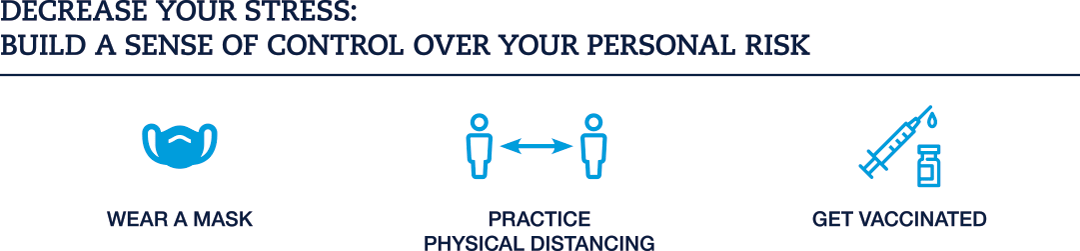
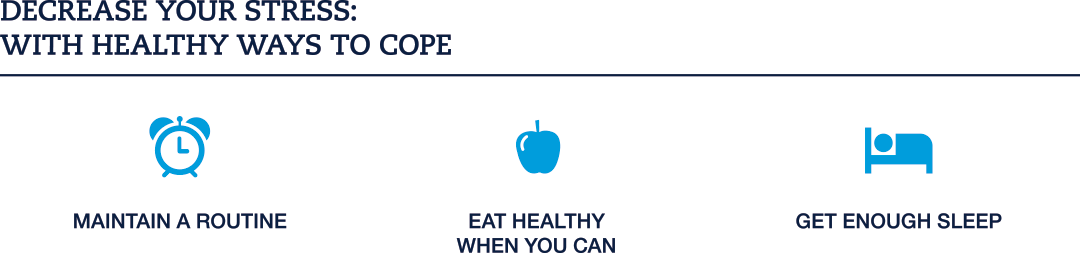
For the individual, the path forward involves a combination of clinical support and personal agency. NIMH experts suggest that engaging in "active recovery"—such as maintaining routines, prioritizing sleep, and exercising—can help mitigate the long-term effects of traumatic stress. Furthermore, the act of participating in public health measures (like vaccination or masking) can provide individuals with a sense of control over an otherwise chaotic environment.
Conclusion
As the United States continues to navigate the tail end of the COVID-19 pandemic, the "mental health curve" has yet to be flattened. With 28% of the population still reporting depressive symptoms, the need for robust research funding, expanded access to care, and a compassionate social safety net has never been more urgent. The work ahead involves more than just clinical treatment; it requires a societal commitment to leveraging this moment of shared struggle to create a more resilient and accessible mental health infrastructure for the future.