











As the calendar turns each January, millions of people partake in a familiar ritual: ringing in the New Year with champagne, indulgent meals, and ambitious promises to transform their lives. However, data suggests that this annual tradition is a recipe for psychological defeat. By mid-February, approximately 80% of individuals have abandoned their New Year’s resolutions. The cycle of aspiration followed by failure is so ingrained in our culture that a specific date—January 17—has been dubbed “Ditch Your Resolution Day.”
For the 65 million Americans currently serving as family caregivers, the pressure to conform to this "new year, new you" mentality can be particularly crushing. These individuals, many of whom belong to the "Sandwich Generation"—balancing the care of aging parents with the demands of their own children—find that their life’s challenges do not reset simply because the calendar changes. For them, the traditional, high-stakes resolution is not just ineffective; it is often impossible.
The Myth of the New Year’s Resolution
The fundamental flaw in the traditional New Year’s resolution lies in its rigidity and ambition. Most people treat resolutions as "all or nothing" goals, setting bars so high that a single missed workout or a stressful week of caregiving triggers a sense of failure. When life’s uncontrollable variables—a health crisis for a loved one, a work emergency, or simple exhaustion—intervene, the resolution is often the first thing to be discarded.

For caregivers, who operate under a heavy "external locus of control," the traditional model of self-improvement often feels like another chore on an already overflowing to-do list. This is where the Me Time Monday (MTM) program, developed by expert Sherri Snelling, offers a radical departure from the norm. Instead of a once-a-year declaration, MTM proposes a weekly rhythm of self-care that emphasizes sustainability, flexibility, and holistic well-being.
Chronology of a Shift: From Annual Goals to Weekly Rituals
The shift from the "New Year’s Resolution" (NYR) model to the "Me Time Monday" (MTM) model is rooted in behavioral science.
- The Planning Phase (January 1): Traditional resolutions focus on a massive, singular outcome. MTM, by contrast, focuses on a weekly check-in. Monday is designated not as the day to perform all self-care, but as the day to plan the week’s micro-adjustments.
- The Execution Phase (Ongoing): Unlike the linear timeline of a resolution, MTM is circular. If a caregiver has a difficult week, they do not "fail." They simply reset on the following Monday.
- The Habit Integration (Daily/Weekly): The program utilizes "micro-flows"—seven-minute windows of activity—to integrate wellness into existing routines, effectively bypassing the "time poverty" that plagues modern caregivers.
Supporting Data: Why "Small" Wins
The efficacy of the MTM program is supported by research from both the Healthy Monday Campaigns and psychological studies on habit formation. Data indicates that when individuals initiate healthy behaviors on a Monday, they are statistically more likely to maintain those habits throughout the week.

Furthermore, the "Power of 7"—the cornerstone of the MTM philosophy—leverages the psychological benefits of manageable tasks. By committing to just seven minutes of self-care per day (or even per week, initially), the caregiver avoids the cognitive overload that leads to burnout.
"Habit stacking" provides the structural support for these goals. By attaching a wellness activity to a pre-existing, automatic behavior—such as performing stretches while brushing teeth or listening to a restorative podcast while washing dishes—the caregiver removes the mental friction required to start a new habit. This approach turns "time poverty" into "time affluence," allowing individuals to feel as though they are making deposits into their own internal wellness accounts.
Holistic Wellness: The Seven Elements
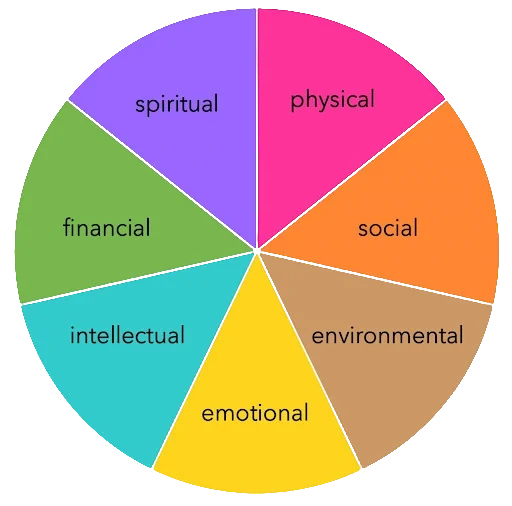
The Me Time Monday program categorizes wellness into seven distinct pillars, ensuring that the caregiver does not just focus on one narrow aspect of their life, but rather treats their existence as a multi-dimensional ecosystem. These elements include:

- Physical: Nutrition, sleep, and movement.
- Emotional: Managing stress and finding joy.
- Social: Maintaining connections and support groups.
- Intellectual: Continuous learning and mental stimulation.
- Environmental: Creating a peaceful and functional space.
- Financial: Long-term planning and managing caregiving costs.
- Spiritual: Finding awe, wonder, and purpose.
By "cross-training" across these categories, caregivers prevent the boredom and stagnation that often accompany singular, intense resolutions. One might focus on physical health on Tuesday, emotional rescue on Wednesday, and financial planning on Friday. This "joyconomy mixology"—a term coined by Snelling—allows for a flexible, creative approach to personal maintenance.
Official Perspective: The Caregiver’s "Internal Locus of Control"
Expert commentary emphasizes that the most significant barrier to caregiver wellness is the loss of personal agency. When one is responsible for the health and safety of others, the "external locus of control"—the feeling that one is at the mercy of circumstances—becomes dominant.
Sherri Snelling’s program argues that finding "Me Time" is not an act of selfishness, but of being "Self-Full." By taking even a few minutes for oneself, the caregiver regains a sense of autonomy. This is the essence of ikigai, the Japanese concept of a "reason for being," which combines passion, mission, and skill. When a caregiver aligns their daily actions with their ikigai, they transition from simply "surviving" the caregiving journey to finding meaning and joy within it.

Implications: Building a Sustainable Future
The implications of adopting the MTM model are profound. For the healthcare system, a less burned-out caregiver population is a more resilient one. For the individual, it represents a departure from the shame cycle of failed resolutions.
Routines beat resolutions every time. By shifting the focus from an end-of-year deadline to a perpetual, weekly journey, the caregiver can avoid the "Sunday Scaries" or the urge to "quiet quit" their responsibilities. Instead, Monday becomes a beacon of opportunity—a recurring chance to review, reward, and reset.
In summary, the transition to Me Time Monday is not about adding more work to a caregiver’s life. It is about integrating small, manageable, and intentional moments of peace into the existing chaos. It is a recognition that you cannot pour from an empty cup; by prioritizing the self, you are, in fact, becoming a better, more capable, and more sustained provider for those you love.

As the calendar progresses, the invitation remains open: stop trying to force a massive, unsustainable change in January. Instead, start small, start on a Monday, and begin the process of building your own personal "joyconomy," one seven-minute interval at a time.