








For decades, the public health mantra regarding physical activity has been straightforward: move more. Whether it was the "10,000 steps" rule or the clinical recommendation for 150 minutes of moderate aerobic activity per week, the focus remained largely on the quantity of movement. However, a landmark study published in the open-access journal BMJ Medicine suggests that we may have been missing half the picture.
New research indicates that while total volume is important, the diversity of movement—engaging in a variety of physical activities—may be a more potent predictor of longevity. This comprehensive study, which tracked over 170,000 health professionals over three decades, reveals that the path to a longer life isn’t necessarily about grinding away at a single exercise; it is about cross-training, diversifying one’s physical portfolio, and acknowledging that there is an "optimal" ceiling for exercise benefits.
The Evolution of Movement Research: A 30-Year Longitudinal Study
To understand the relationship between activity and mortality, researchers synthesized data from two of the world’s most robust long-term health databases: the Nurses’ Health Study and the Health Professionals Follow-Up Study. These cohorts provided an unprecedented longitudinal view of human health.
The Chronology of Data Collection
The study design relied on a sophisticated, multi-decade tracking system:
- The Baseline (1986): Researchers initiated the tracking of 121,700 female and 51,529 male participants. The study was not a short-term trial but a lifelong observation, capturing data every two years through rigorous health questionnaires.
- The Early Years (1986–1990s): Initial data collection focused on primary activities, including walking, jogging, running, cycling, lap swimming, rowing, callisthenics, and racquet sports like tennis and squash.
- The Nuanced Era (Late 1990s–2010s): As the understanding of "exercise" evolved, so did the surveys. Researchers began cataloging non-traditional movement: weight training, resistance exercises, yoga, stretching, and daily vigorous tasks—such as lawn maintenance, gardening, and the strenuous labor of digging and chopping wood.
- The Metric Integration: To quantify this data, researchers employed MET (Metabolic Equivalent of Task) scores. A MET value represents the amount of energy an activity consumes compared to a resting state. By multiplying hours spent per week by the MET value, the researchers could normalize the effort across vastly different activities, from a casual stroll to a competitive tennis match.
Supporting Data: The Anatomy of Longevity
The study’s scale—analyzing 111,467 participants for total physical activity and 111,373 for activity variety—provides a statistical weight that is difficult to ignore. Over the 30-year follow-up, 38,847 deaths were recorded, providing a sobering but clear picture of how lifestyle choices influence terminal outcomes.
The Ceiling Effect: Is More Always Better?
One of the most provocative findings in the BMJ Medicine report is the non-linear relationship between exercise and mortality. The data suggests that the protective benefits of physical activity are not infinite.
Researchers identified that the benefits of total activity volume appear to level off at approximately 20 weekly MET hours. Beyond this point, the "marginal utility" of additional exercise diminishes. This is a critical finding for public health; it suggests that for the average person, there is a "sweet spot" for exercise, beyond which additional volume offers significantly less protection against all-cause mortality.
The Power of Variety
If total volume has a ceiling, how can one continue to improve longevity? The answer, according to the data, is variety.
Even after adjusting for total MET hours, participants who incorporated a broader spectrum of activities exhibited a 19% lower risk of death from all causes. The breakdown of individual activities provides a roadmap for those looking to diversify their routine:
- Walking: The most accessible exercise remained the most effective, linked to a 17% lower risk of death.
- Racquet Sports: Tennis, squash, and racquetball were linked to a 15% reduction in mortality risk.
- Callisthenics and Rowing: These full-body strength and conditioning movements were associated with a 14% reduction.
- Weight Training and Running: Both provided a 13% reduction in risk.
- Stair Climbing: Remarkably, simply choosing the stairs over the elevator was linked to a 10% lower risk of death, reinforcing that "micro-movements" matter.
Why Variety Matters: The Physiological Perspective
While the study is observational, researchers hypothesize why variety provides an "extra" layer of protection. Engaging in different types of exercise challenges the body in distinct ways.
Musculoskeletal vs. Cardiovascular Adaptations
Resistance training builds bone density and muscle mass, which are critical for preventing frailty in aging populations. In contrast, cardiovascular activities like jogging or swimming improve heart health, oxygen utilization, and vascular elasticity. By mixing these, an individual addresses multiple physiological failure points simultaneously.
The Psychological Component
The study noted that individuals who reported higher activity variety also tended to have healthier diets, lower BMI, and stronger social connections. It is possible that the cognitive engagement required to learn and maintain multiple activities—like the coordination required for racquet sports or the focus needed for yoga—provides a neurological benefit that repetitive, monotonous exercise (like running on a treadmill for hours) may lack.
Critical Analysis: Limitations and Context
No study is without its boundaries, and the researchers were transparent about the limitations of this massive dataset.
- Observational Bias: Because this was an observational study, it cannot definitively prove cause and effect. It is possible that healthier individuals are more capable of performing a variety of activities, rather than the variety itself being the sole cause of their longevity.
- Self-Reporting: The data relied on questionnaires. Human memory is notoriously imperfect, and participants may have overestimated their "vigorous" tasks or underestimated their sedentary time.
- Population Demographics: The cohort was primarily composed of white, professional individuals (nurses and health professionals). This demographic reality means the findings might not translate perfectly to other populations with different socio-economic stressors or genetic profiles.
- Intensity Classification: Using MET scores assumes a standardized level of exertion. However, one person’s "gardening" might be a high-intensity workout, while another’s might be a leisure activity. This potential for misclassification remains a factor to consider.
Implications for Public Health and Individual Wellness
The implications of this research are significant for both policymakers and the general public.
Rethinking the "Gym Rat" Mentality
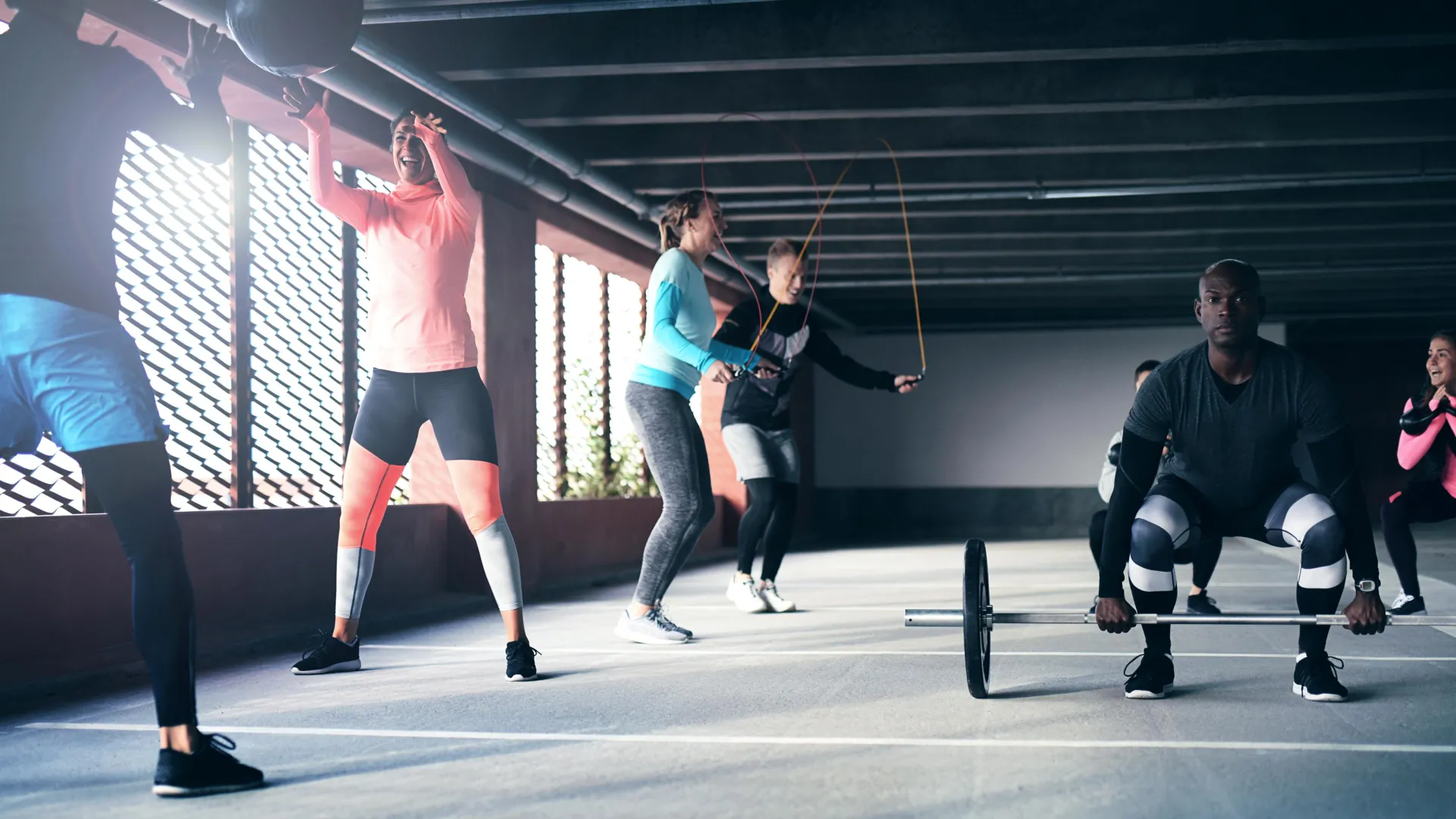
For decades, the fitness industry has encouraged people to find one "thing"—their sport—and master it. This research suggests a pivot: The Generalist is the new Specialist. If the goal is longevity, the data suggests that being a "jack-of-all-trades" in the gym or the park is superior to being a master of one.
Practical Application: A New Routine
If you currently focus exclusively on one activity, the BMJ Medicine findings suggest you should:
- Cross-train: If you are a runner, add two days of resistance training or yoga.
- Incorporate "Incidental" Activity: Do not underestimate the value of gardening, stair climbing, or heavy housework. These are not just chores; they are low-intensity physical activities that contribute to the "variety" metric.
- Aim for the Sweet Spot: Do not feel pressured to reach extreme levels of exercise. Once you have reached a healthy baseline of about 20 MET hours per week, focus on the diversity of your movements rather than merely increasing the duration or intensity.
Conclusion: The Holistic Approach
The study concludes that "long-term engagement in multiple types of physical activity may help extend the lifespan." It validates the idea that our bodies were designed for diverse movement—climbing, lifting, walking, and stretching—rather than the repetitive, linear motion of modern equipment.
As we move toward a future where "healthspan" is as important as "lifespan," the message from these decades of data is clear: to live longer, stop doing the same thing every day. Mix your movements, challenge your body in new ways, and embrace the variety of human potential. Your future self may thank you for the extra effort spent diversifying your path to health.