






Receiving a diagnosis of lymphoma can be an overwhelming, life-altering experience. Patients often find themselves thrust into a complex medical landscape, tasked with understanding intricate terminology, treatment modalities, and the long-term implications of their condition. To bridge the gap between clinical complexity and patient understanding, a pivotal educational resource is arriving this spring.
On Wednesday, May 20, 2026, the Lymphoma Foundation will host a two-hour virtual seminar titled "Ask the Doctor About Lymphoma: Information for Newly Diagnosed Patients." This program is designed to provide a foundational roadmap for those at the start of their medical journey, offering a rare opportunity for direct engagement with medical experts in an accessible, supportive digital environment.
Main Facts: Empowering the Newly Diagnosed
The core mission of this seminar is to demystify the lymphoma diagnosis. Scheduled to run from 3:00 PM to 5:00 PM ET, the session is intentionally crafted to cater to the unique needs of individuals who have recently received their results.
Unlike static medical literature, this program is interactive. It features a dual-format structure: a comprehensive, expert-led overview of the condition followed by an extensive question-and-answer session. By creating this space, the foundation aims to alleviate the anxiety often associated with the unknown. Whether a patient is grappling with the distinction between Hodgkin and non-Hodgkin lymphoma, or questioning the nuances of chemotherapy versus immunotherapy, the event serves as a vital bridge to clarity.
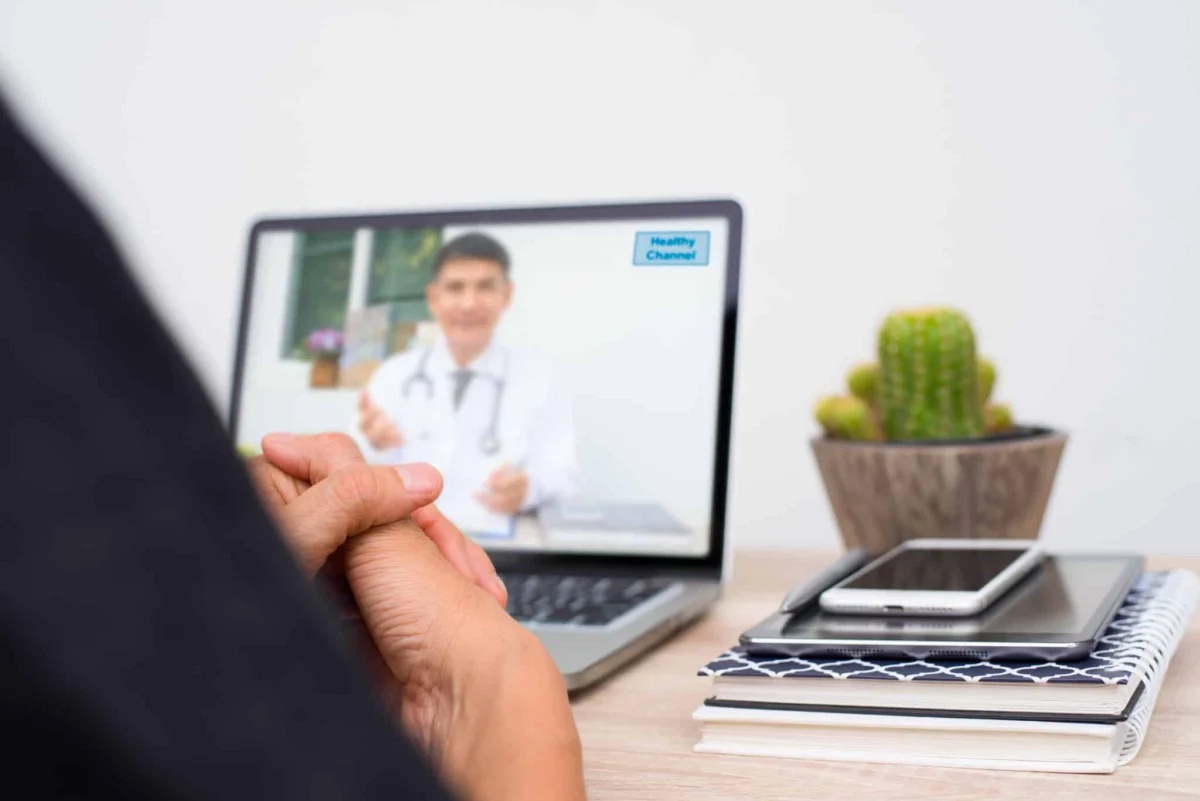
Participation is streamlined for accessibility. Hosted on Zoom, the seminar ensures that geographic barriers do not prevent patients from accessing high-quality information. Attendees can join via desktop, tablet, or even standard telephone, ensuring that those with limited digital literacy or connectivity are still able to participate fully.
Chronology of the Patient Journey
The journey of a lymphoma patient is rarely linear, but it is marked by predictable phases where information becomes a primary tool for survival.
- The Pre-Diagnosis Phase: Often marked by vague symptoms, such as night sweats, unexplained weight loss, or persistent fatigue.
- The Diagnosis (The Turning Point): This is where the patient enters the healthcare system’s radar. The May 20th seminar is strategically positioned for those currently in this stage, providing the necessary vocabulary to speak with their own oncologists effectively.
- The Treatment Planning Phase: Following the seminar, patients are encouraged to use the knowledge gained to ask their primary care teams better questions regarding their specific subtype and prognosis.
- The Survivorship Phase: Education remains a pillar even after treatment, as patients learn to monitor their health and navigate the long-term impact of their therapy.
By providing a professional, expert-led program, the foundation acknowledges that education is not a one-time event but a continuous process of patient advocacy.
Supporting Data: Why Specialized Education Matters
Medical research consistently demonstrates that patient education significantly improves outcomes. According to the National Cancer Institute, patients who are "health literate"—those who understand their diagnosis, treatment options, and potential side effects—report higher levels of treatment adherence and lower levels of psychological distress.
Lymphoma is not a single disease; it is a complex group of blood cancers with over 80 distinct subtypes. Because of this diversity, general medical knowledge is often insufficient. The seminar’s focus on providing a "strong foundation" is critical because it equips patients with the ability to participate in shared decision-making. When a patient understands the why behind a specific treatment regimen, they are statistically more likely to manage side effects proactively and maintain their physical and emotional well-being throughout the duration of their care.
Official Responses and Expert Oversight
The featured expert for this session is Dr. Ayushi Chauhan, a noted specialist in hematology-oncology. Dr. Chauhan’s participation highlights the foundation’s commitment to providing evidence-based, clinically sound information.
However, the organizers are careful to frame this information as a supplement to, not a replacement for, personalized clinical care. As noted in the program’s disclaimer: “Information provided during Foundation programs is for informational or educational purposes only and is not a substitute for professional medical advice, diagnosis, or treatment from a qualified healthcare provider.”

This distinction is crucial. The seminar acts as a high-level educational resource, but it cannot account for the individual genetic, physiological, and social variables that an oncologist considers when developing a bespoke treatment plan. The program is designed to facilitate better communication between the patient and their personal doctor, not to replace that relationship.
Implications: The Broader Impact on the Patient Community
The implications of such a program extend beyond the two-hour window of the Zoom call. By fostering a community of informed patients, the foundation is cultivating a support network that thrives on shared knowledge.
Who Should Attend?
The program is inclusive of:
- Patients: Those recently diagnosed who need a starting point for their medical literacy.
- Survivors: Individuals looking to stay updated on the latest research and standard-of-care developments.
- Care Partners: Often the "silent sufferers" of the diagnosis, family members and friends gain vital insights into how to support their loved ones effectively.
- Program Supporters: Those who contribute to the foundation’s mission and wish to witness the practical application of their donations.
Registration and Accessibility
Registration is currently open. Prospective attendees can sign up through the foundation’s official website or by contacting the Helpline at 800-500-9976. Those preferring to correspond via email can reach out to the dedicated support team at the provided address.
A key note for industry professionals: The foundation maintains a strict boundary between education and corporate interest. Pharmaceutical industry professionals are welcome to attend, provided their company is an official program sponsor. This ensures that the seminar remains an unbiased environment focused purely on patient needs rather than commercial messaging.
A Call to Action for the Newly Diagnosed
For those newly navigating the complexities of a lymphoma diagnosis, the upcoming seminar represents more than just a presentation—it represents a lifeline.
In the wake of a diagnosis, the volume of information can be deafening. Between online searches that often lead to misinformation and the clinical jargon used by healthcare providers, patients frequently feel isolated. "Ask the Doctor About Lymphoma" offers a curated, vetted environment where the fear of the unknown is replaced by the empowerment of knowledge.
The transition from a "patient" to an "informed advocate for one’s own health" begins with the first question. By attending this session on May 20th, participants take a decisive step toward regaining control over their narrative. Whether you are seeking specific clinical answers, emotional reassurance, or simply a clearer understanding of the path ahead, this seminar provides the essential tools to begin that journey with confidence.
Event Details Summary:
- Event Name: Ask the Doctor About Lymphoma: Information for Newly Diagnosed Patients
- Date: Wednesday, May 20, 2026
- Time: 3:00 PM – 5:00 PM ET
- Format: Virtual via Zoom
- How to Register: Visit Lymphoma.org or call 800-500-9976.
As you prepare for this session, consider jotting down the questions that weigh most heavily on your mind. The opportunity to engage with experts like Dr. Chauhan is a vital resource in the fight against lymphoma. Join the community, empower your treatment journey, and remember that you do not have to navigate this diagnosis alone.