









In the ongoing battle against infectious diseases, the frontline is often found in the most mundane of places: the glowing screen of a smartphone, the keys of a laptop, or the sterile-looking surfaces of a hospital bedside table. These frequently touched objects act as silent conduits for pathogens, facilitating the spread of viruses through simple human contact. However, a groundbreaking development from researchers at RMIT University in Australia promises to turn these everyday surfaces into active, biological defensive barriers.
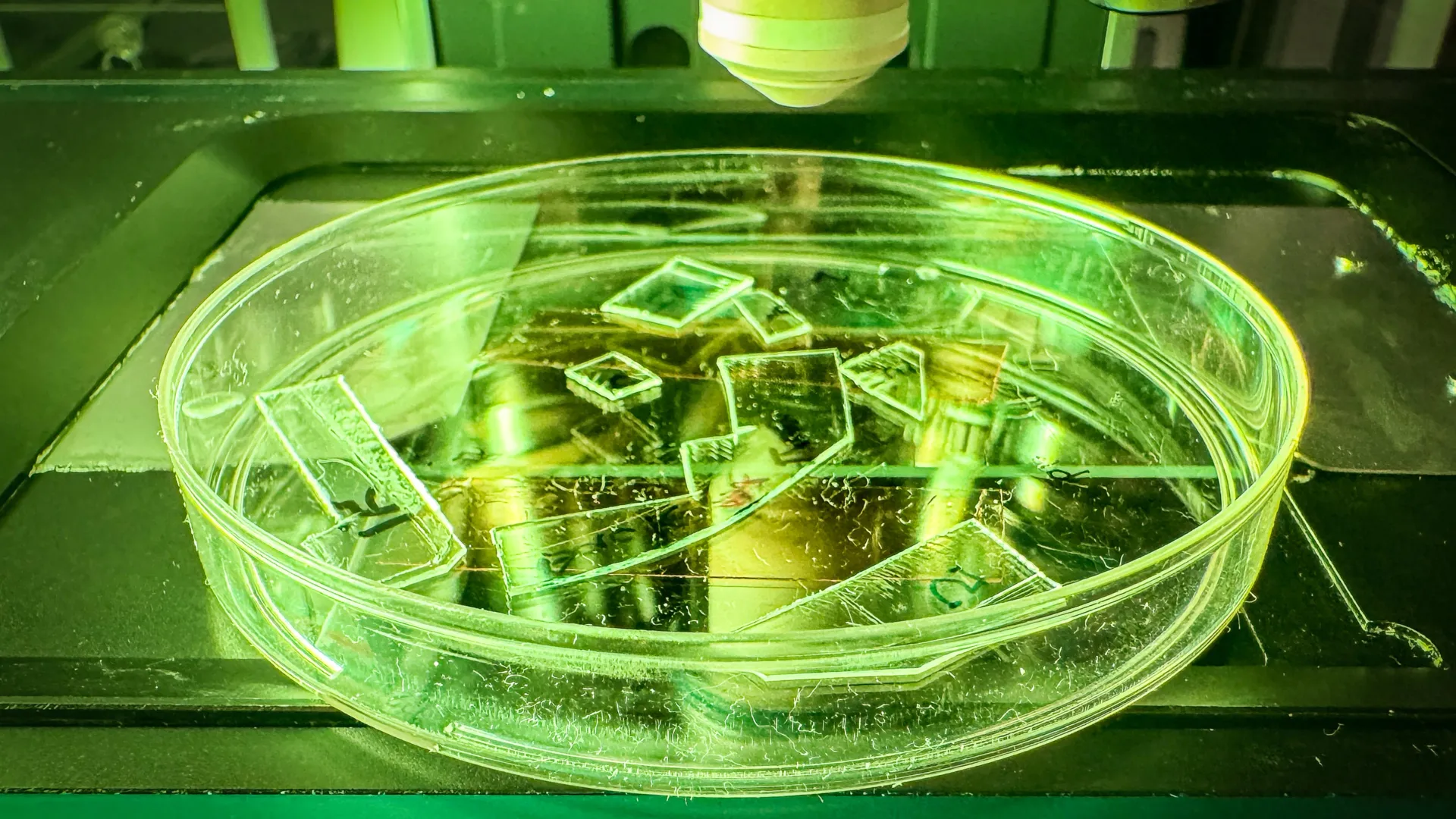
Scientists have successfully engineered a thin, flexible plastic film capable of physically destroying viruses the moment they land on its surface. By moving away from chemical disinfectants—which often require reapplication and can be harmful to the environment—this new technology employs mechanical force at the nanoscale to neutralize pathogens instantly.
The Mechanics of Destruction: How Nanopillars Tear Viruses Apart
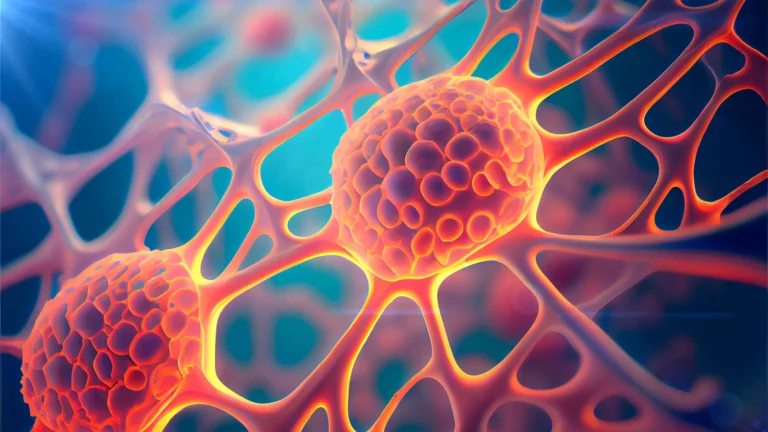
At the heart of this innovation is a sophisticated approach to surface engineering. The film, composed of durable acrylic, is embedded with millions of microscopic structures known as "nanopillars." These features are so small that they are invisible to the naked eye, yet they possess a lethal efficiency when it comes to viral containment.
Unlike traditional antiviral coatings that rely on chemical toxicity or metallic properties, such as copper or silver ions, this new film utilizes a mechanical "stretching" mechanism. When a virus settles onto the surface, the nanopillars grip the pathogen’s outer envelope. As the virus attempts to settle into the gaps between the pillars, the structures exert a tensile force that stretches the virus’s outer membrane beyond its structural capacity, causing it to rupture and disintegrate.
Research published in the prestigious journal Advanced Science indicates that this stretching method is significantly more effective than previous attempts at "puncturing" viruses. While earlier designs focused on creating sharp, needle-like spikes to pierce the viral shell, the RMIT team discovered that a more holistic, collaborative force—created by multiple nanopillars working in unison—is far more devastating to the integrity of the pathogen.
Chronology of the Breakthrough: From Theory to Laboratory Success
The journey to this discovery began with a shift in the scientific understanding of how nanoscale surface patterns interact with biological entities. Historically, researchers experimented with rigid materials like silicon and metallic nanospikes. While these materials proved that physical disruption of viruses was possible, they were often brittle, expensive to manufacture, and difficult to apply to the complex, curved surfaces of modern electronics or medical equipment.
The RMIT team, led by PhD candidate Samson Mah and Distinguished Professor Elena Ivanova, pivoted toward polymer-based materials. Their goal was to create a substance that was not only effective at destroying viruses but also economically viable for mass production.
In their latest round of laboratory testing, the team utilized the human parainfluenza virus 3 (hPIV-3), a common pathogen responsible for respiratory illnesses ranging from bronchiolitis to pneumonia. The results were startling: within a single hour of contact, approximately 94% of the viral particles on the film were either physically torn apart or damaged to such a degree that they were rendered incapable of replication. This high rate of inactivation suggests that the surface is not merely a deterrent but a robust, active trap for airborne or touch-borne viral threats.
Supporting Data: The Critical Importance of Nanoscale Spacing
One of the most significant revelations of the study was the identification of "spacing" as the primary driver of antiviral success. Initially, the research team hypothesized that the height of the nanopillars—their physical reach—would be the most important factor in capturing a virus. However, data analysis revealed a different reality.
"By tweaking the spacing and height of the nanopillars, we discovered how tightly they are packed together is far more important than how tall they are for breaking viruses apart," Samson Mah explained.
The team conducted a series of tests using varying intervals between the pillars:
- 60 Nanometers: The optimal distance. At this density, multiple nanopillars can simultaneously press against a single virus, exerting the uniform force required to reach the "breaking point" of the viral membrane.
- 100 Nanometers: A noticeable decline in efficacy, as the gaps become too wide to provide consistent structural pressure.
- 200 Nanometers: The antiviral effect was almost entirely neutralized, as the virus could rest between the pillars without sufficient tension being applied to its outer layer.
This "spacing rule" provides a clear, scalable design blueprint for future manufacturers, allowing them to optimize their molding processes to maximize antiviral performance.
Official Responses and Strategic Implications
The implications of this technology extend far beyond the laboratory. As the global community continues to grapple with the risks of pandemics and the daily threat of hospital-acquired infections, the need for passive, self-sanitizing materials has never been more acute.
"As nanofabrication tools get better, our results give a clearer guide to which nanopatterns work best to kill viruses," said Samson Mah. "We could one day have surfaces like phone screens, keyboards, and hospital tables covered with this film, killing viruses on contact without using harsh chemicals."
From a manufacturing perspective, the team has ensured that their design is compatible with existing industrial processes. The mold used to create the nanopillar pattern can be adapted to "roll-to-roll" manufacturing—a high-speed, continuous process used to produce everything from food packaging to display films. This means that if adopted by major electronics or medical equipment manufacturers, the antiviral plastic could be produced at a scale sufficient to outfit millions of devices.
Distinguished Professor Elena Ivanova emphasized the team’s commitment to translating this research into tangible solutions. "We think this texturing is a strong candidate for everyday use, and we’re ready to partner with companies to refine it for large-scale manufacturing," she noted.
Future Research: Expanding the Scope
While the results regarding hPIV-3 are encouraging, the scientific team acknowledges that there is much work to be done. The current success was achieved with an "enveloped" virus, which is characterized by a fragile fatty outer membrane. This membrane is relatively easy for the nanopillars to grip and rupture.
The next phase of the research will focus on "non-enveloped" viruses, which lack this fatty outer layer and are typically more resilient. Testing the film against these more robust pathogens will be a critical step in determining the true versatility of the technology.
Additionally, the researchers are investigating how the film behaves on curved surfaces. Because curvature changes the geometric spacing between the nanopillars, maintaining the optimal 60-nanometer density on a smartphone edge or a surgical tool handle presents a unique engineering challenge.
A Future Defined by Passive Protection
The shift toward physical, rather than chemical, antiviral solutions marks a significant evolution in public health technology. Chemical disinfectants are inherently temporary, requiring constant vigilance and reapplication. They are also prone to the development of resistance in some pathogens and can be irritating to human skin or harmful to delicate electronic components.
By contrast, the nanopillar film offers a permanent, "always-on" defense. It is an elegant solution that borrows from nature—mimicking the surfaces of certain insect wings that have evolved to resist bacterial growth—and applies it to the high-tech requirements of the 21st century.
As the team moves toward commercial partnerships, the prospect of a world where our devices actively protect us becomes increasingly tangible. Whether in the high-stakes environment of an intensive care unit or the casual setting of a crowded subway, this tiny, transparent film could eventually serve as a silent, invisible sentinel, drastically reducing the transmission of disease one touch at a time. The transition from laboratory success to consumer application will require rigorous testing and industrial scaling, but the foundation has been laid. We are closer than ever to a future where our environments are as proactive about our health as we are.