In an era defined by the "quantified self," the bedroom has become the latest frontier for technological optimization. From sophisticated rings that monitor heart rate variability to smartwatches that chart REM cycles, sleep trackers have transitioned from niche gadgets for athletes to mainstream household accessories. Yet, as nearly half of the American population adopts these devices, a troubling psychological phenomenon is emerging: the pursuit of perfect sleep is paradoxically fueling the very insomnia it aims to solve.
Main Facts: The Rise of the Quantified Sleeper
The American Academy of Sleep Medicine (AASM) recently released a comprehensive survey revealing that 48% of U.S. adults have turned to wearable technology to monitor their slumber. This data point underscores a broader cultural shift: sleep is no longer viewed merely as a passive biological necessity but as a performance metric to be optimized, tracked, and mastered.
The influx of data—ranging from deep sleep percentages to oxygen saturation levels—has empowered a segment of the population to take control of their circadian health. However, this transition has birthed the trend of "sleepmaxxing," a lifestyle movement that treats sleep as an competitive sport. While the intention is to align with the medical consensus that adults require seven or more hours of quality rest, the reality for many is an increase in physiological and psychological distress.
Chronology: The Evolution of Sleep Surveillance
The trajectory of sleep tracking reflects the broader evolution of the wellness industry:
- Early 2010s: Sleep tracking was primarily limited to clinical settings or rudimentary smartphone apps that used accelerometer data to guess sleep stages based on movement.
- Mid-2010s: The advent of affordable wearable devices (Fitbit, Garmin, Apple Watch) brought medical-grade sensor technology—specifically photoplethysmography (PPG) for heart rate—to the wrists of millions.
- 2020-2023: The "Quantified Self" movement accelerated during the pandemic. As anxiety levels rose, people sought greater control over their health, leading to a surge in the purchase of rings, bands, and smart mattresses.
- 2024-2025: A cultural tipping point was reached. Sleep clinicians began identifying a surge in "orthosomnia"—the unhealthy obsession with achieving "perfect" sleep data—leading to the current national dialogue regarding the psychological cost of hyper-vigilance.
Supporting Data: By the Numbers
The AASM survey provides a granular look at how these devices influence modern life:
- Behavioral Modification: 55% of tracker users report actively changing their sleep routines based on data insights. Common changes include adjusting bedtime, standardizing wake-up times, and minimizing late-night stimuli.
- Demographic Disparities: The data suggests a gendered divide in engagement. Men (56%) are significantly more likely than women (40%) to use tracking technology and are also more likely to invest heavily in sleep-optimizing products, such as specialized pillows, white noise machines, and temperature-controlled bedding.
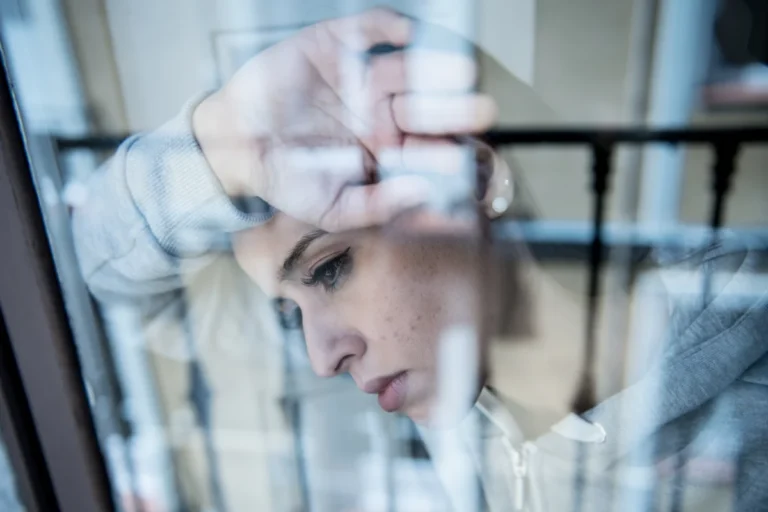
- The Cost of Concern: Perhaps most significantly, 76% of adults report that they have lost sleep specifically due to worrying about their sleep patterns. This creates a circular feedback loop: the device highlights a "bad" night, causing anxiety, which then ensures the subsequent night is equally poor.
Official Responses and Clinical Perspectives
Medical professionals are increasingly cautious about the data-driven "sleepmaxxing" trend. Sleep specialists emphasize that most consumer-grade trackers are not diagnostic tools; they are estimates. When a user receives a "low sleep score," they are often reacting to an algorithm, not a clinical diagnosis.
"The danger lies in the loss of biological intuition," notes a leading sleep researcher. "When a patient wakes up feeling refreshed but looks at their app to see a ‘poor’ rating, they often convince themselves they are exhausted. This psychological shift can override the body’s natural signals of well-being."
Orthosomnia, a term coined by researchers, describes the distress caused by the inability to meet the "ideal" sleep metrics defined by an app. Specialists at AASM-accredited centers warn that this obsession can exacerbate pre-existing sleep disorders like insomnia or sleep apnea, as patients become so hyper-focused on the data that they develop "sleep performance anxiety."
Implications: The Psychological and Physical Fallout
The implications of this trend extend beyond the bedroom. When society shifts toward a data-first approach to health, the margin for error narrows.
The "Sleepmaxxing" Trap
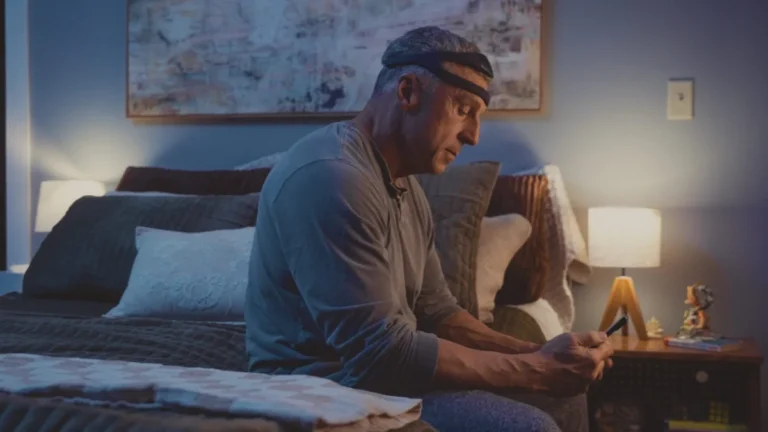
Sleepmaxxing often involves complex nightly routines—blue-light blocking glasses, precise temperature settings, and elaborate supplement regimens. While these habits can be beneficial in isolation, the pressure to maintain them creates a rigid structure that is fundamentally at odds with the flexibility required for healthy sleep. If a user misses a step in their routine, the resulting stress can derail their ability to initiate sleep.
The Erosion of Restorative Rest
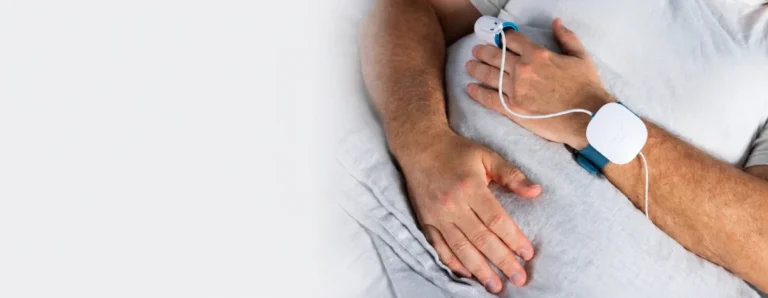
Restorative sleep requires a state of "relaxed alertness" or, more accurately, a lack of self-monitoring. By attaching a sensor to the body, the user remains tethered to the waking world. The device acts as a constant reminder that sleep is a task to be completed, rather than a natural physiological process. This hyper-vigilance keeps the brain in a state of arousal, preventing the transition into deep, restorative stages of sleep.
The Need for a Balanced Approach
Experts suggest that trackers should be used as a "compass, not a map." If used for short-term experimentation—such as identifying whether a late-night snack affects sleep latency—they can be highly beneficial. However, when used as a permanent monitor, they often become a crutch.
Guidelines for Healthy Tech Integration
To bridge the gap between technological utility and mental peace, health experts recommend the following strategies:
- Set a "Data Detox": Periodically disconnect from your device for a week. Focus on how your body feels, your mood upon waking, and your energy levels throughout the day without the validation of an app.
- Focus on Trends, Not Nights: Avoid looking at your sleep score every morning. Instead, look at weekly or monthly trends. Individual nights of poor sleep are normal and do not reflect a long-term health failure.
- The 20-Minute Rule: If you are lying in bed worrying about your sleep score or your tracker’s data, get out of bed. Do a quiet, low-light activity until you feel genuinely tired.
- Prioritize Behavioral Hygiene: The best sleep aid is not an app; it is a consistent schedule, a dark and cool bedroom, and the removal of electronics 60 minutes before bed.
When to Seek Professional Support
There is a distinct difference between occasional poor sleep and a chronic sleep disorder. If you find yourself consistently anxious about your sleep, or if you feel a persistent sense of fatigue regardless of your sleep duration, it is time to look beyond the dashboard.
An AASM-accredited sleep center offers more than just data; it offers a diagnostic evaluation that can identify underlying issues such as obstructive sleep apnea, restless leg syndrome, or chronic insomnia. These are physiological issues that cannot be fixed by an app-based routine and require evidence-based interventions like Cognitive Behavioral Therapy for Insomnia (CBT-I) or clinical sleep studies.
Conclusion: Redefining Success
The pursuit of "perfect" sleep is an inherently flawed mission. Sleep is not a static state of peak performance; it is a dynamic, fluctuating process that changes based on stress, environment, and biology.
As we move forward, the most successful sleepers will likely be those who learn to distinguish between helpful data and unnecessary noise. By shifting the focus from the digital score to the physical feeling of restoration, we can reclaim sleep as a source of health rather than a source of stress. True rest is found not in the numbers on a screen, but in the ability to quiet the mind, let go of the day’s metrics, and simply drift off.