










Chronic wounds represent one of the most silent yet devastating epidemics in modern healthcare. For millions of people globally—particularly those managing diabetes—a simple blister or small cut can escalate into a lifelong struggle. Now, an international research team led by Nanyang Technological University, Singapore (NTU Singapore), has uncovered a pivotal biological mechanism that explains why these wounds refuse to heal, pointing toward a transformative new treatment strategy that bypasses the limitations of traditional antibiotics.
The findings, published in the prestigious journal Science Advances, shift the focus of wound care from simply trying to kill bacteria to neutralizing the "metabolic weapons" these bacteria use to paralyze human skin cells.
The Global Burden of Chronic Wounds
The scale of the problem is immense. Each year, approximately 18.6 million people worldwide develop diabetic foot ulcers. The prognosis for these patients is often grim; over a lifetime, as many as one in three individuals with diabetes will experience a foot ulcer. In Singapore alone, the situation is increasingly pressing, with over 16,000 cases reported annually, predominantly affecting the elderly and those living with metabolic conditions.
These wounds are not merely skin-deep; they are a leading cause of non-traumatic lower limb amputations. The core challenge lies in their "chronic" nature. Unlike acute wounds that follow a predictable path to closure, chronic wounds remain stuck in an inflammatory state. When these wounds become colonized by bacteria, the body’s natural repair mechanisms are overwhelmed, trapping patients in a debilitating cycle of infection, tissue necrosis, and recurrent hospitalizations.
The Hidden Saboteur: Enterococcus faecalis
For years, clinicians have observed that infections impede wound healing, but the exact molecular "why" remained elusive. The research team, led by NTU Associate Professor Guillaume Thibault and Professor Kimberly Kline of the University of Geneva (also a visiting professor at the Singapore Centre for Environmental Life Sciences and Engineering), turned their attention to Enterococcus faecalis (E. faecalis).
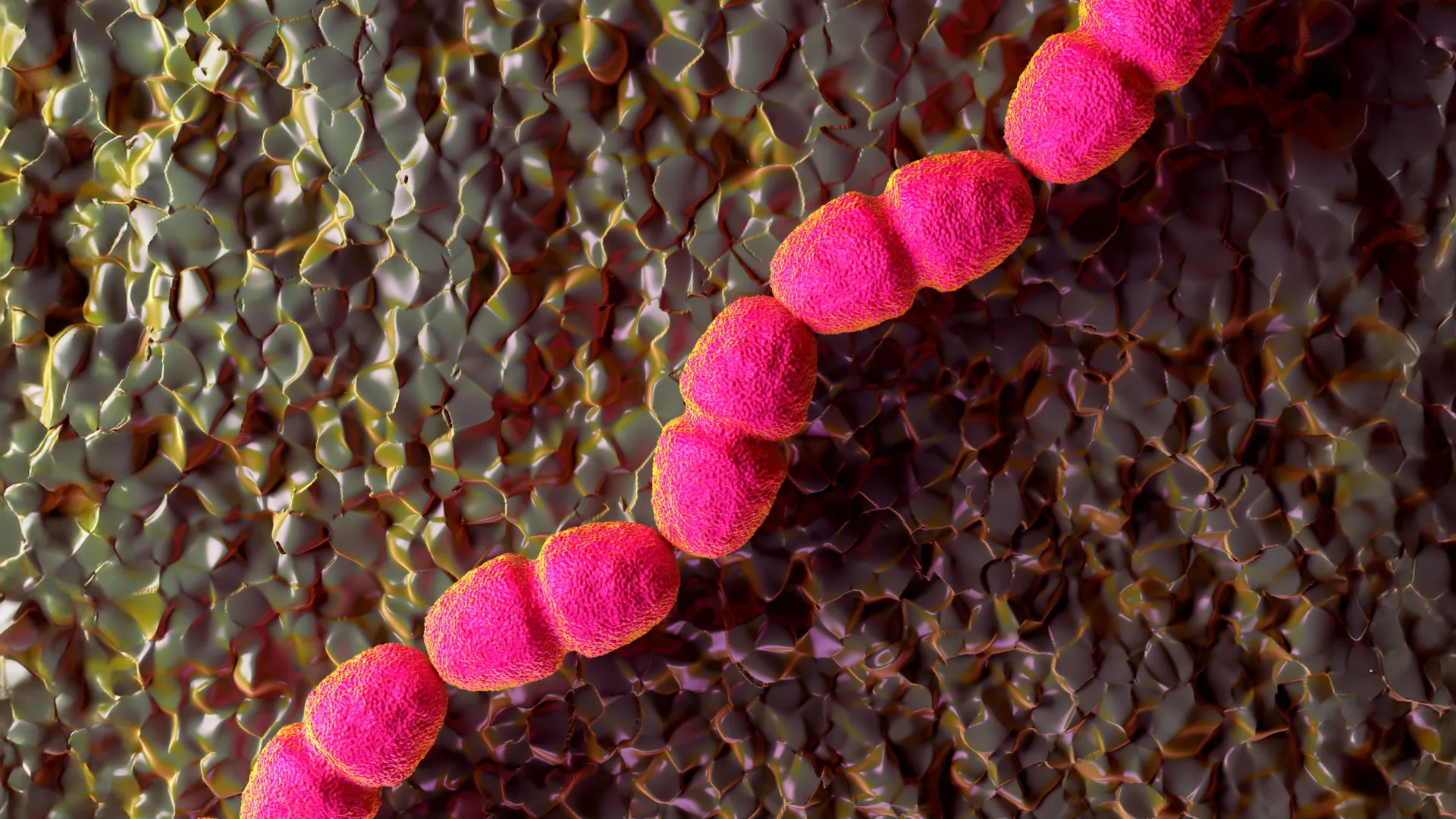
E. faecalis is an opportunistic pathogen frequently found in the microbiome of non-healing diabetic foot ulcers and pressure injuries. While it is a common bacterium, it is notoriously resilient. The rise of antibiotic resistance has made E. faecalis a formidable adversary; some strains have evolved to ignore commonly prescribed antibiotics, rendering standard medical interventions increasingly ineffective.
The study reveals that E. faecalis does not just exist in the wound; it actively sabotages the body’s repair crew. Unlike other pathogens that rely primarily on secreted toxins to damage tissue, E. faecalis employs a sophisticated metabolic process that essentially "chokes" the skin cells responsible for regeneration.
Chronology of Discovery: Unmasking the Metabolic Weapon
The research journey began with a fundamental question: How does this bacterium interact with the host’s skin cells to inhibit closure?
- Identification of the Pathway: First author Dr. Aaron Tan, an NTU Research Fellow, identified that E. faecalis utilizes a process known as extracellular electron transport (EET). This is a specialized metabolic pathway that, as a byproduct, continuously generates hydrogen peroxide—a highly reactive oxygen species (ROS).
- Oxidative Stress Induction: The researchers observed that as the bacteria produced this hydrogen peroxide, the surrounding human keratinocytes—the primary cells involved in wound repair—experienced severe oxidative stress.
- The Cellular Paralyzation: When skin cells face such high levels of ROS, they trigger a survival mechanism known as the "unfolded protein response." Under normal circumstances, this is a protective measure that slows down protein production to allow for repair. However, in the context of a chronic wound, this response becomes maladaptive. The cells essentially go into a state of "lockdown," becoming unable to migrate across the wound bed to close the tissue.
- Verification through Genetic Modification: To confirm that this was the culprit, the team engineered a strain of E. faecalis that lacked the EET pathway. This mutant strain produced significantly lower levels of hydrogen peroxide and, crucially, failed to inhibit the migration of skin cells. The link between bacterial metabolism and failed healing was definitively established.
Supporting Data and Experimental Evidence
The strength of the study lies in its multi-layered verification. By isolating the EET pathway, the researchers provided a clear cause-and-effect relationship. Laboratory experiments involving cell cultures demonstrated that when the hydrogen peroxide generated by E. faecalis was present, keratinocyte migration was inhibited by over 60%.
Furthermore, the team experimented with the introduction of catalase—a naturally occurring enzyme known for its ability to rapidly decompose hydrogen peroxide into water and oxygen. When the stressed skin cells were treated with catalase, the oxidative stress levels plummeted. The cells, no longer paralyzed by the "unfolded protein response," regained their natural motility and were able to resume the wound-closing process. This provided a "proof-of-concept" that neutralizing the bacterial byproduct could be just as effective—if not more so—than attempting to eradicate the bacteria themselves.
Official Perspectives: A Shift in Therapeutic Paradigm
The implications of this discovery are profound. For decades, the primary strategy for managing infected wounds has been the administration of systemic or topical antibiotics. However, with the global rise of antimicrobial resistance, this "seek and destroy" mission is becoming increasingly difficult.
"Our findings show that the bacteria’s metabolism itself is the weapon, which was a surprise finding previously unknown to scientists," says Associate Professor Guillaume Thibault. "Instead of focusing on killing the bacteria with antibiotics, which is becoming increasingly difficult and leads to future antibiotic resistance, we can now neutralize it by blocking the harmful products it generates and restoring wound healing."
Professor Thibault emphasizes the strategic shift this represents: "Instead of targeting the source, we neutralize the actual cause of the chronic wounds—the reactive oxygen species." By focusing on the metabolic output rather than the survival of the bacteria, researchers hope to avoid the selective pressure that leads to the evolution of "superbugs."
Implications for Future Clinical Care
The path forward, according to the research team, is to translate these findings into practical clinical applications. Because catalase and other antioxidants are already well-understood, widely available, and generally considered safe, the regulatory hurdle for integrating them into medical products is significantly lower than that of developing novel pharmaceutical drugs.
Potential Future Developments:
- Antioxidant-Infused Dressings: The team envisions the development of next-generation wound dressings impregnated with catalase or similar ROS-scavenging agents. Such dressings could be applied directly to chronic ulcers, providing a localized environment that "detoxifies" the wound, allowing the body’s own cells to resume the work of healing.
- A Precision Medicine Approach: Because the study confirms that E. faecalis uses a specific metabolic pathway to induce damage, future diagnostics could screen chronic wounds for the presence of this specific bacterial signature, allowing clinicians to prescribe targeted antioxidant therapy rather than broad-spectrum antibiotics.
- Reduced Amputation Rates: If the ability to restore cell migration is successfully translated to human clinical trials, it could fundamentally change the trajectory for diabetic patients. By accelerating the healing of minor ulcers, the medical community could prevent the progression of infections that currently necessitate surgical intervention and amputation.
Moving Toward Human Trials
While the laboratory results and cell-based models are compelling, the research team is taking a cautious, rigorous approach to the next steps. Currently, the team is conducting studies in animal models to identify the most effective delivery systems for these antioxidants.
The goal is to ensure that the antioxidants can remain stable and effective within the unique, often hostile, environment of an open wound. Once these efficacy and safety parameters are met in animal models, the path will be cleared for human clinical trials.
Conclusion
The work led by NTU Singapore and the University of Geneva serves as a masterclass in modern medical research. By looking past the obvious presence of bacteria and investigating the nuanced metabolic interactions between pathogen and host, these scientists have opened a new door for millions suffering from non-healing wounds.
In an era where the effectiveness of our current antibiotic arsenal is waning, this discovery of a metabolic "neutralization" strategy offers a beacon of hope. It suggests that the solution to one of our most persistent healthcare challenges may not be to fight the bacteria harder, but to understand them better—and in doing so, strip them of their power to do us harm. As the team moves toward clinical trials, the medical community remains optimistic that this metabolic approach will soon redefine the standard of care for chronic wounds, turning "unhealable" conditions into manageable, resolvable injuries.