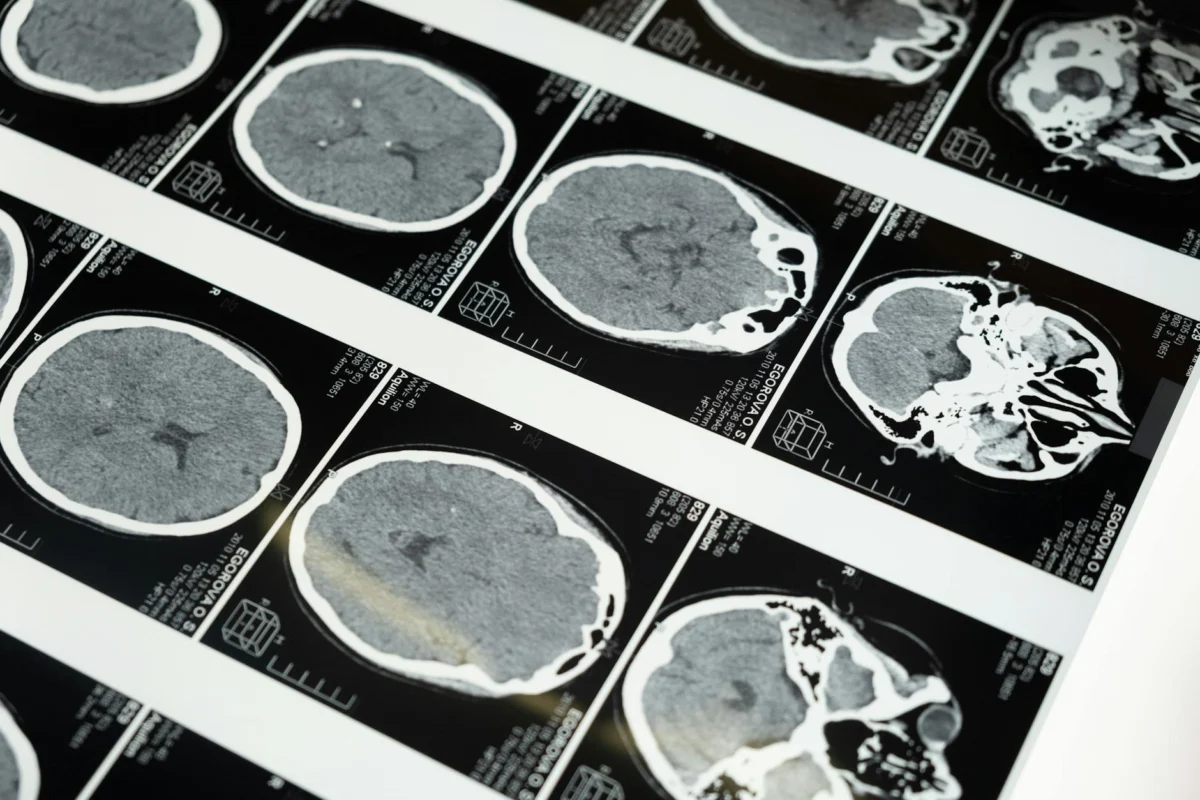
For decades, patients living with hypermobile Ehlers-Danlos syndrome (hEDS) have faced a demoralizing medical reality: when they report debilitating symptoms like chronic headaches, vertigo, cognitive "brain fog," and neck instability, they are often met with skepticism. Too frequently, these symptoms are dismissed as psychosomatic or "in the patient’s head."
While the location of these symptoms—the head and upper cervical spine—is indeed accurate, the dismissal of the underlying pathology has left thousands of patients suffering without a clear diagnosis or a viable treatment path. For years, the lack of a standardized definition of "normal" anatomy in this region has turned clinical imaging into a subjective guessing game. However, a pair of groundbreaking studies published leading into 2026 is finally shifting the paradigm, offering the first quantitative framework for understanding craniocervical instability in the context of hEDS.
Main Facts: The Anatomy of Dismissal
The core issue for the hEDS community has long been the lack of a "gold standard" for imaging the craniocervical junction. Because connective tissue in hEDS patients is inherently lax, the skull and the top of the spine (the atlas and axis) often move in ways that defy conventional radiographic interpretation.
Previously, physicians relied on "secret codes"—anecdotal measurements passed down through residency training—to determine if a patient’s neck was "too loose." If a patient’s imaging fell within the vague, non-standardized range of "normal," they were often told their pain was unrelated to structural instability, effectively leaving them without a path to surgery or specialized physical therapy. The emergence of new research in 2025 and 2026 provides a long-overdue foundation for moving away from this subjective guesswork.
Chronology of Clinical Progress
The road to this data has been slow, marked by a history of patients feeling ignored.
- Pre-2025: Diagnosis for craniocervical instability (CCI) and related conditions relied heavily on practitioner experience. There was no consensus on whether a measurement taken while a patient was lying down (supine) should be compared to one taken while standing or flexing the neck.
- Early 2025: The publication of Radiographic Indicators of Craniocervical Instability established the first rigorous, multi-positional normative data for seven key anatomical markers.
- Late 2025: The study Head Posture and Upper Spine Morphological Deviations in People With Hypermobile Ehlers–Danlos Syndrome followed, shifting the focus from general measurements to the specific structural differences inherent in the hEDS population.
- 2026 and Beyond: These studies now serve as a cornerstone for clinicians, providing a template that could lead to faster, more objective diagnoses for patients who have spent years in diagnostic limbo.
Supporting Data: Defining the "Normal"
The first major study, Radiographic Indicators of Craniocervical Instability, aimed to quantify the "normal" neck by analyzing 72 healthy individuals. By using four distinct imaging techniques—extension x-ray, flexion x-ray, neutral x-ray, and supine CT scans—researchers established baseline ranges for seven critical metrics:
- Clivo-axial angle (CXA): Measures the skull-spine alignment.
- Basion-dens interval (BDI): Measures the distance between the skull base and the second cervical vertebra.
- Basion-axis interval (BAI): Evaluates front-to-back skull-spine alignment.
- Atlanto-dental interval (ADI): The critical space between the C1 and C2 vertebrae.
- Perpendicular basion to the inferior aspect of C2 (pbC2): Also known as the "Grabb-Oak" measurement, assessing how much the skull base projects toward the spinal canal.
- Hard palate to C1 (HPC1): The relationship between the nasal cavity and the atlas.
- Hard palate to C2 (HPC2): The relationship between the nasal cavity and the axis.
The findings revealed a critical truth: imaging modality matters. Measurements like the CXA, which proved to be the most reliable metric, fluctuated significantly depending on whether the patient was in a supine position or undergoing a flexion x-ray. This suggests that a single "neutral" scan is insufficient to rule out instability. If a doctor only looks at a supine CT, they may miss the dynamic instability that only presents when the patient is upright or moving.
The Structural Divide: hEDS vs. Non-hEDS
The second study sought to determine if the chronic pain associated with hEDS stems from different "resting" postures. Surprisingly, researchers found no significant differences in basic head posture or anatomical measurements between the hEDS and non-hEDS cohorts.
However, the researchers discovered a striking discrepancy in anatomical deviations. Over 50% of the hEDS participants exhibited structural variations in the upper cervical spine, most notably "posterior arch deficiencies" (PAD) in the C1 vertebra. In non-hEDS participants, this occurred only 15% of the time.
This is a vital distinction: the pain in hEDS may not be caused by a "wrong" posture that can be simply corrected, but by inherent structural anomalies (like incomplete fusion of the atlas) that, when combined with connective tissue laxity, create a vulnerable craniocervical junction.
Official and Expert Perspectives
While these studies do not provide a definitive diagnostic "cure-all," they represent a massive leap forward for the medical community. Leading voices in the field of rare diseases have long argued that hEDS patients are systematically underserved because their conditions don’t fit into a "neat" box of textbook pathology.
The consensus emerging from these papers is that clinicians must stop viewing hEDS symptoms as a "diagnosis of exclusion." Instead, these anatomical variations—such as the increased prevalence of PAD—should be treated as markers for further investigation. For the patient, this means that a report showing "no significant abnormalities" is no longer the final word; it is now a prompt to ask, "Were these seven metrics measured across multiple positions?"
Implications for Patients and Future Care
The path forward involves integrating this data into standard clinical practice. For the patient community, the implications are three-fold:
- Consistency in Diagnosis: Patients can now advocate for their own care by requesting that radiologists and surgeons utilize these established ranges rather than relying on outdated or subjective observation.
- Increased Awareness of Modality: The recognition that supine CT scans often fail to capture the reality of cervical instability will likely drive a shift toward more dynamic imaging (flexion/extension x-rays) as a standard for those with suspected hEDS-related neck pain.
- Validating the Lived Experience: Perhaps most importantly, the data confirms that structural differences are indeed present in a significant portion of the hEDS population. It moves the conversation away from the psychological realm and squarely into the structural, allowing for a more focused approach to treatment—whether that involves specialized physical therapy, bracing, or surgical consultation.
As we look toward the future, these studies act as a foundation rather than a finish line. The scientific community has finally begun to quantify the "hidden" anatomy of hEDS. For the patient, this means the days of being told their symptoms are "all in their head" are coming to an end. We now have the data to prove that while the pain may be in the head and neck, it is firmly rooted in a reality that medical science is finally beginning to map.
For those navigating these challenges, resources such as the Chronic Pain Partners’ CSI patient guide remain essential for translating these complex scientific findings into actionable discussions with healthcare providers.