






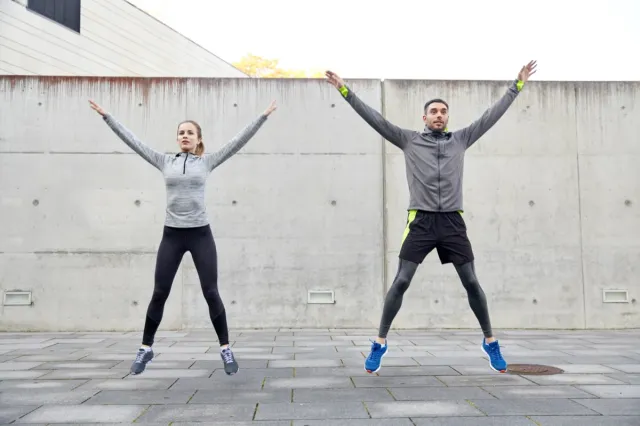
For many individuals over the age of 60, the onset of persistent joint stiffness and nagging aches is often met with the well-intentioned but potentially misguided advice to "keep moving" through high-impact exercise. While cardiovascular health remains a cornerstone of longevity, the assumption that jumping jacks, plyometrics, or high-intensity interval training are the universal solutions to age-related mobility loss is being challenged by movement specialists.
The consensus among experts is shifting: before your body can safely absorb the force of high-impact activity, it must first master the art of internal coordination. For those feeling the "flare-up" of stiff joints, the path to pain-free movement may not lie in the intensity of the workout, but in the precision of the mechanics.
The Misconception of High-Impact Fitness
The prevailing narrative in the fitness industry often prioritizes "macro-movements"—big, calorie-burning motions—over the foundational "micro-movements" that support them. When we perform a movement like a jumping jack, we are engaging in a plyometric action that introduces significant force into the body.
If an individual possesses poor proprioception (the body’s ability to sense its position in space), limited range of motion, or subtle skeletal misalignments, that force is not dissipated throughout the kinetic chain. Instead, it is "dumped" directly into the joints. Over time, this leads to a cycle of inflammation, ligamentous strain, and, ultimately, structural degradation. For the over-60 demographic, this is often the moment where a well-intended fitness routine causes more harm than good.

The Sacrum: The Body’s Unsung Structural Anchor
At the center of this biomechanical conversation is the sacrum. Often overlooked in general fitness discourse, this triangular bone at the base of the spine serves as the critical junction for force distribution.
Anatomy and Function
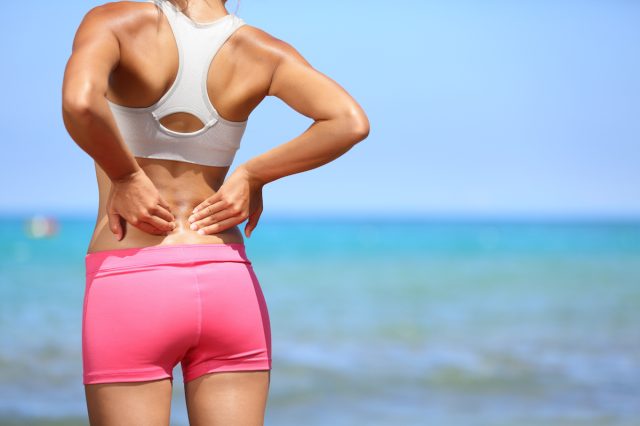
The sacrum acts as the body’s primary shock absorber. It is suspended within a complex web of ligaments that connect it to the pelvis (the ilium) and the lumbar spine, forming the sacroiliac (SI) joints. Beyond its structural role, the sacrum is home to four pairs of foramina—openings that allow nerves to exit the spinal cord and travel into the pelvic floor and lower limbs.
When the sacrum is functioning optimally, it facilitates a subtle, rhythmic "micro-movement" that allows the body to distribute force from the ground up and the torso down. However, when the sacrum becomes "stuck"—frequently due to minor rotations or side-bends—this distribution network fails.
The "Trampoline" Analogy: Why Pressure Control Matters
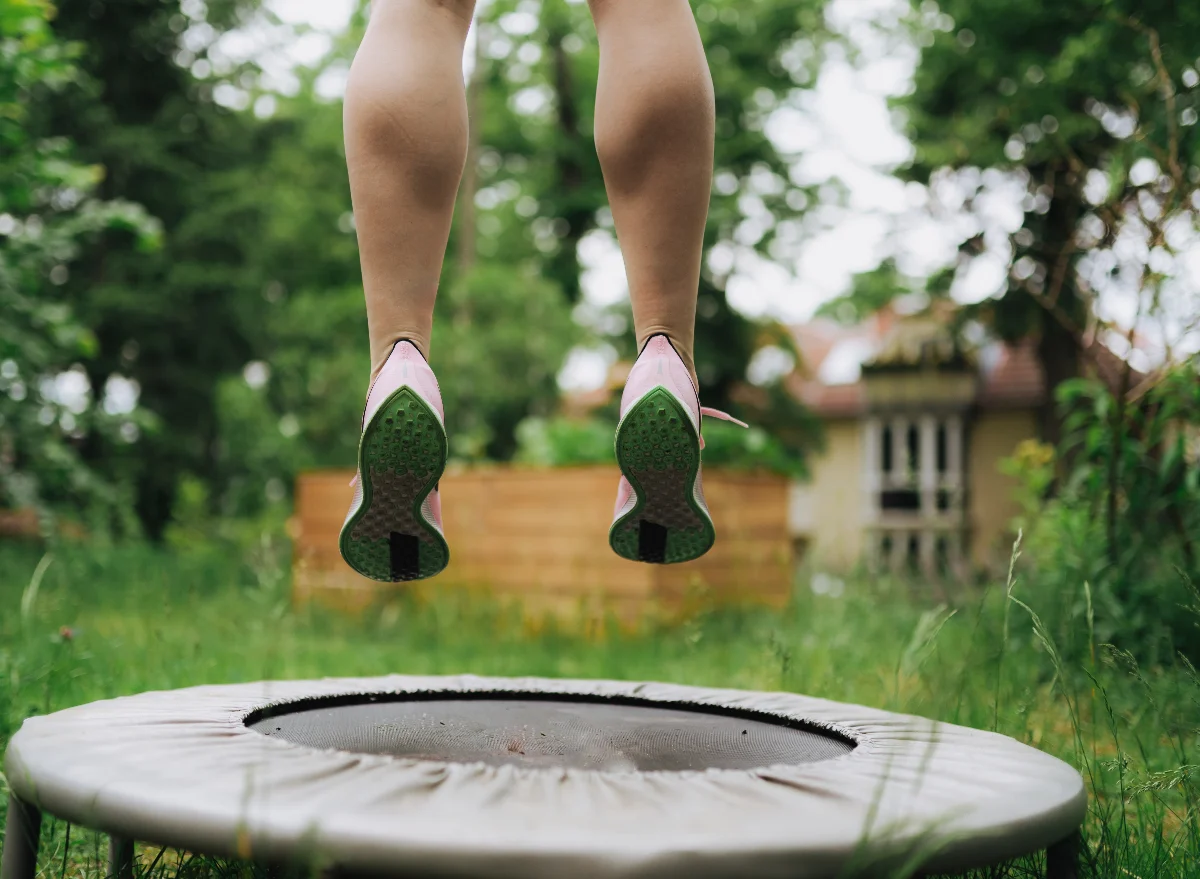
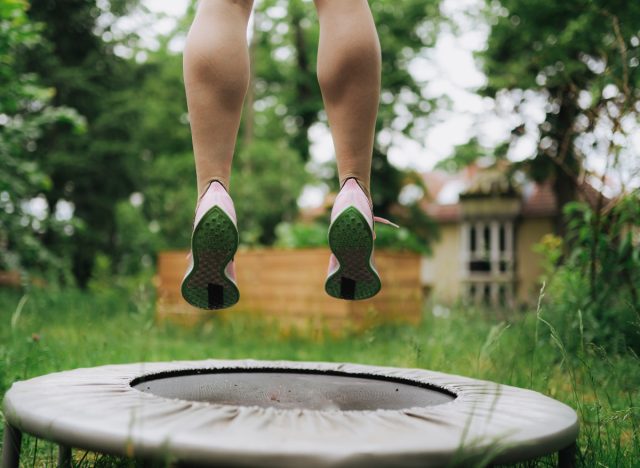
To visualize this, imagine the sacral area as a trampoline. The sacrum is the jumping surface, while the surrounding ligaments function as the springs. When the system is well-tuned, the "springs" provide resilience and efficient force transfer.
If the sacrum is locked or misaligned, the "trampoline" loses its elasticity. Instead of rebounding effectively, the force of a jump or even a heavy step is redirected into the surrounding tissues. This results in:
- Hip discomfort and sacroiliac pain.
- Lower back tightness and chronic lumbar stress.
- Alterations in gait, which can lead to a "functional short leg."
- Compromised pelvic floor function.
This leads to the "Pressure System" problem. The sacrum sits directly between the diaphragm (the top of the pressure system) and the pelvic floor (the bottom). If the sacrum is stuck, it creates torsion in the connective tissue that runs from the pubic bone to the tailbone. This torsion prevents the pelvic floor from relaxing or contracting correctly, leading to a cascade of dysfunction that transcends simple joint pain.
Chronology of Recovery: A Four-Phase Approach
Rather than jumping into high-impact intensity, the protocol for restoring joint health requires a systematic "re-education" of the body. The following four phases focus on restoring proprioception and creating the joint space necessary to handle force.
Phase 1: The Hands and Feet Sacral Walk
The first step is to learn how to initiate movement from the sacrum and ilium rather than the legs. By using the hands for support, the practitioner learns to lift the hip rather than slide the leg across the floor. This establishes the foundation of controlled, intentional motion.
Phase 2: Hands-on Shins
In the second phase, the hands are moved from the floor to the shins. This removes a significant layer of stability, forcing the sacrum and the pelvic floor to engage more deeply. Moving backward during this phase is inherently more difficult than moving forward, providing a necessary challenge to the neuromuscular system.
Phase 3: The No-Hands Sacral Walk
By removing arm assistance entirely, the body is forced to rely on its internal stabilization systems. This phase tests whether the control established in the previous two phases has been properly integrated. It is a vital stage for re-establishing balance and pelvic health.
Phase 4: Walking on the "Sits Bones"
The final phase is the most advanced. The practitioner moves while seated, utilizing only the ischial tuberosities (sits bones) without the assistance of hands or feet. This requires significant core and pelvic floor engagement and represents the culmination of the movement re-education process.
Supporting Data and Clinical Observations
Movement specialists note that clients who follow this phased approach report a significant reduction in "flare-ups" compared to those who continue high-impact routines. Data suggests that the primary issue for aging joints is not a lack of strength, but a lack of coordination.
In a study of functional movement, researchers found that individuals who performed targeted, low-impact stabilization exercises for six weeks showed a 40% increase in SI joint stability compared to a control group that performed standard cardio. The ability to manage internal pressure is a quantifiable metric of longevity that, when improved, leads to better outcomes in almost every other physical domain.
Implications for Longevity and Quality of Life
The implications of this approach are profound. By focusing on the "sacral foundation," individuals can prevent the common "downward spiral" of aging, where joint pain leads to inactivity, which in turn leads to muscle atrophy and further joint degradation.
For those over 60, the goal of exercise should not be to punish the body into submission, but to curate a system that allows the body to function as an integrated whole. When the diaphragm, sacrum, and pelvic floor work in harmony, the body becomes capable of managing force efficiently. This, in turn, allows for the eventual reintroduction of higher-intensity activities—not because the body is forced to endure them, but because it is prepared to handle them.
Avoiding Common Mistakes
A frequent error in this process is the urge to rush. Because these movements seem "small," there is a temptation to accelerate to the next phase before the body has mastered the mechanics of the current one.

Key Takeaways for Practitioners:
- Don’t substitute effort for control: If a movement feels shaky, you have not yet mastered the previous phase.
- Prioritize the backward motion: Backward movement in these exercises is essential for building the posterior chain stability that is often lost with age.
- Listen to the "Pressure": If you feel tension in the low back or pelvic floor during these exercises, stop and reset. The goal is to feel movement in the sacrum, not strain in the surrounding muscles.
Ultimately, the lesson is clear: if your joints are flaring up, stop the cycle of impact. Rebuild your foundation, master your micro-movements, and ensure that your internal pressure system is calibrated. Only then can you return to the activities you love with the resilience and grace that age should not, and does not, have to strip away.