




For those living with Ehlers-Danlos Syndrome (EDS), the body is often a puzzle of hypermobility, tissue laxity, and chronic instability. Among the various musculoskeletal complications associated with these connective tissue disorders, scoliosis—an atypical lateral curvature of the spine—emerges as a frequent and challenging companion. While scoliosis is often discussed in the context of adolescent development, for the EDS community, it represents a lifelong management issue that requires a highly specialized, nuanced approach to physical therapy.
Central to this management is the Schroth Method, a sophisticated, evidence-based physical therapy approach that moves beyond generic core strengthening. To better understand how this method functions within the context of hypermobile bodies, we spoke with Dr. Caroline Campesi, DPT, a leading Schroth-certified physical therapist who has dedicated her career to addressing the complexities of the spine in patients with connective tissue disorders.
The Fundamentals of Scoliosis: A Progressive Challenge
Scoliosis is defined as an atypical, three-dimensional curvature of the spine. While it is most commonly diagnosed during the rapid growth spurts of adolescence, it is rarely a static condition. Clinical severity is measured via the Cobb angle, a radiological assessment of the magnitude of the spinal deviation.
For the general population, scoliosis is often viewed as a mechanical issue of bone and growth. However, for those with EDS, the condition is inextricably linked to the structural integrity of the body’s connective tissues. Because EDS affects collagen—the "glue" that holds the body together—the spinal column lacks the passive stabilization typically provided by firm, resilient ligaments. This creates a scenario where the spine is more prone to shifting, leading to both structural curvatures and the subsequent pain, muscle spasms, and postural fatigue that often bring patients into a clinical setting.
EDS and Spinal Stability: The Prevalence Data
The connection between EDS and scoliosis is not merely anecdotal; it is supported by clinical research. Data suggests that scoliosis affects approximately 29% of individuals with EDS. Among those affected, the presentation varies:
- Mild Scoliosis (87.5%): Cobb angle between 10° and 24°.
- Moderate Scoliosis (12.5%): Cobb angle between 25° and 40°.
- Rare Subtypes: Kyphoscoliotic EDS (kEDS) is associated with more severe, early-onset curvatures.
For a patient with EDS, even "mild" scoliosis can be profoundly symptomatic. Because the muscles surrounding the spine must work overtime to compensate for lax ligaments, patients often experience significant muscular guarding, chronic trigger points, and referred pain that can mimic other systemic issues.
The Schroth Method: A Paradigm Shift in PT
For decades, the standard approach to spinal health involved general core strengthening—bird dogs, planks, and bridges. While these are beneficial for general fitness, they often fail to address the specific, three-dimensional rotational component of scoliosis.
The Schroth Method is different. It is a highly calibrated, evidence-based system that treats the spine as a three-dimensional entity. Rather than applying a one-size-fits-all protocol, a Schroth-trained therapist performs a detailed assessment to identify the patient’s specific curve pattern. The treatment focuses on:
- Elongation: Correcting the height of the spine.
- De-rotation: Counteracting the rotational twist inherent in scoliotic curves.
- Postural Awareness: Retraining the brain to hold the body in a corrected, symmetrical position.
For the EDS patient, this method is particularly transformative. By emphasizing active muscle engagement rather than passive stretching, the Schroth Method builds the deep, stabilizing musculature necessary to compensate for connective tissue laxity.
Expert Insights: A Q&A with Dr. Caroline Campesi
To bridge the gap between clinical theory and real-world application, we sat down with Dr. Caroline Campesi, DPT, to discuss her experiences in the clinic.
Q: How did you become so deeply involved in scoliosis treatment?
Dr. Campesi: I started my career in general orthopedics, constantly seeing patients with neck and back pain. I could tell something was "off" in their torsos, but I lacked the specific tools to assess spinal asymmetry. In PT school, scoliosis was barely mentioned. I say that scoliosis "found me." Once I attended my first Schroth training in 2019, I was hooked. The level of detail in the system is unparalleled, and my husband, Eric, and I have seen significant clinical gains in patients within just a few visits—something we hadn’t witnessed in our previous 14 years of practice.
Q: How often do you see patients with both scoliosis and EDS?
Dr. Campesi: It is incredibly common. I would estimate that nearly 75% of my current caseload falls somewhere on the hypermobility spectrum (EDS or HSD). When I evaluate a new patient, I am actually surprised if they don’t have some form of connective tissue disorder.
Q: Is there a distinction between "scoliosis pain" and "EDS pain"?
Dr. Campesi: Absolutely. EDS is systemic; it affects arteries, intestines, and heart rate regulation (like POTS). Patients often arrive thinking their pain is solely due to their scoliosis, but I help them parse out which symptoms are structural and which are systemic. If a patient is dealing with significant dysautonomia or GI issues, we have to prioritize "first things first"—meaning we stabilize the POTS symptoms before we can effectively address the spine.
Q: Does physical activity help or hinder progression?
Dr. Campesi: We have data showing that active teens show less progression than their sedentary counterparts. Movement is medicine. Those who move frequently throughout the day, whether through formal exercise or active jobs, tend to be less symptomatic.
Q: How do you modify Schroth for the hypermobile body?
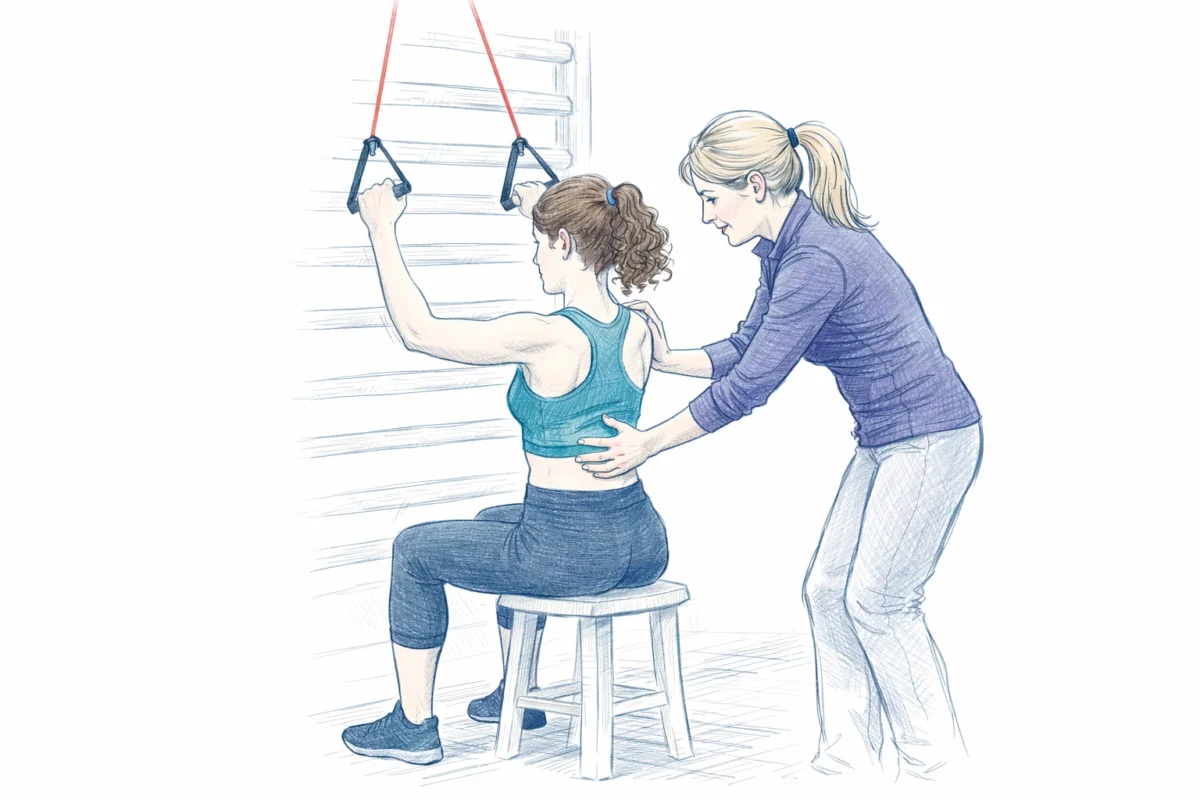
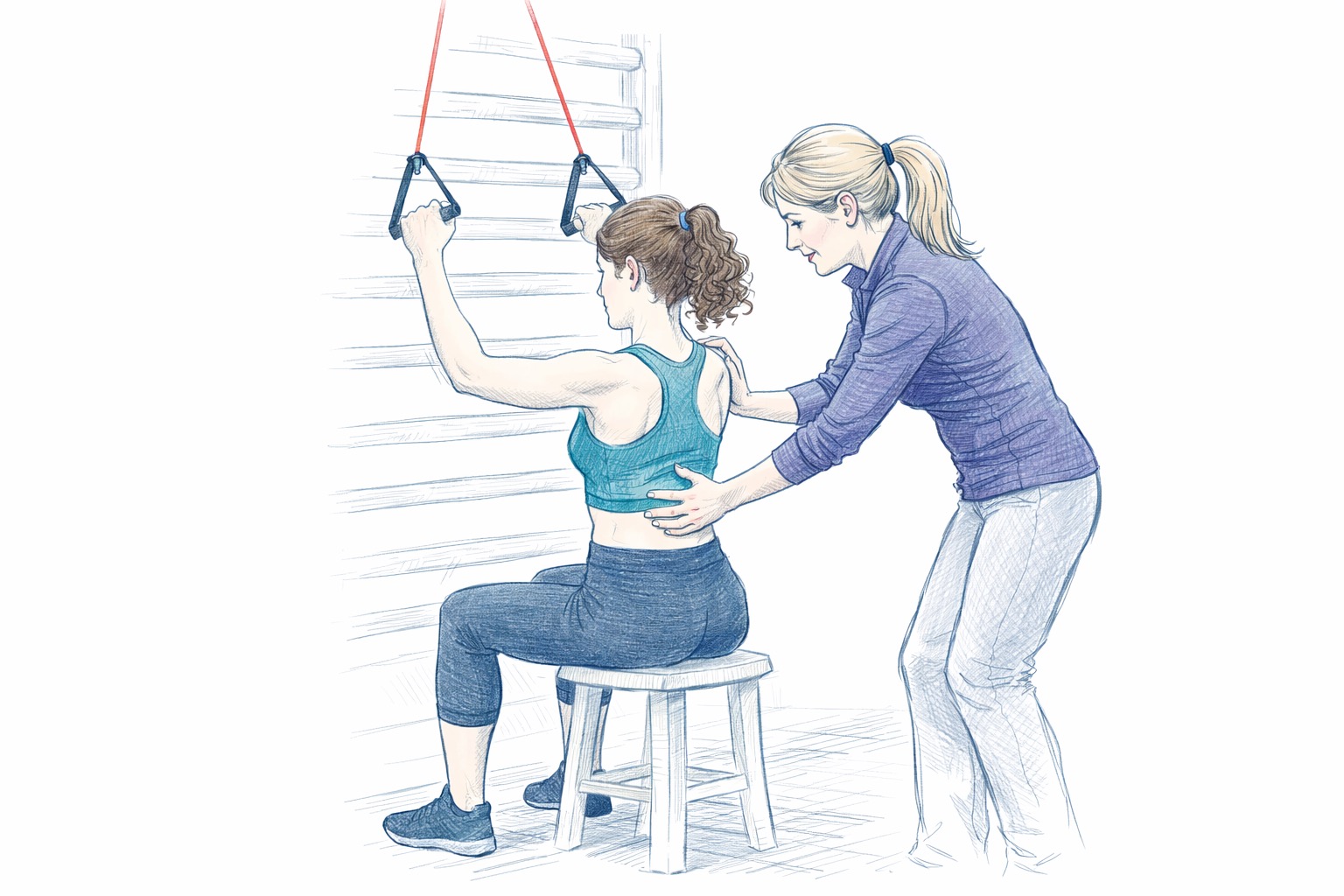
Dr. Campesi: The most important rule for EDS patients is to avoid "end-of-range" stretching. Some Schroth exercises look like they involve hanging, which can be dangerous for hypermobile joints. However, we teach active muscle engagement. We aren’t just hanging; we are using scapular stabilizers and deep core activation to create length. I always prioritize making the exercise fit the person, not the other way around. If a movement causes joint subluxation or discomfort, we adapt immediately.
Implications for Patients: Building a Toolkit
The transition from a "passive" patient to an "active" participant in one’s health is the primary goal of the Schroth Method. For the EDS community, the implications are profound:
- Customized Stability: By activating small, deep stabilizing muscles, patients can achieve a level of spinal support that generic PT cannot provide.
- Symptom Management: Patients gain a "toolkit" for self-care, ranging from myofascial release techniques to specific postural corrections that reduce the strain of daily activities.
- Confidence: Perhaps most importantly, the Schroth Method fosters a mindset that movement is safe. When guided by a therapist who understands the nuances of hypermobility, patients learn that their bodies are not fragile—they just require a more specific, high-precision approach to maintenance.
Selecting the Right Therapist
If you are looking for a therapist, Dr. Campesi advises looking for specialization. "Ask them directly: ‘What percentage of your patients have scoliosis and EDS or HSD?’" she suggests. A therapist who spends their day treating general sports injuries will likely not have the specialized depth required to safely navigate the complex, multi-systemic needs of an EDS patient.
Conclusion
Scoliosis in the context of Ehlers-Danlos Syndrome is a complex, multi-dimensional challenge, but it is not one that requires a passive surrender to pain. Through the targeted, expert-led application of the Schroth Method, patients can improve their spinal alignment, reduce pain, and regain the stability necessary to live an active, functional life. As the medical community continues to bridge the gap between connective tissue research and physical rehabilitation, individualized care will remain the cornerstone of long-term success for the EDS community.