




By Medical News Correspondent
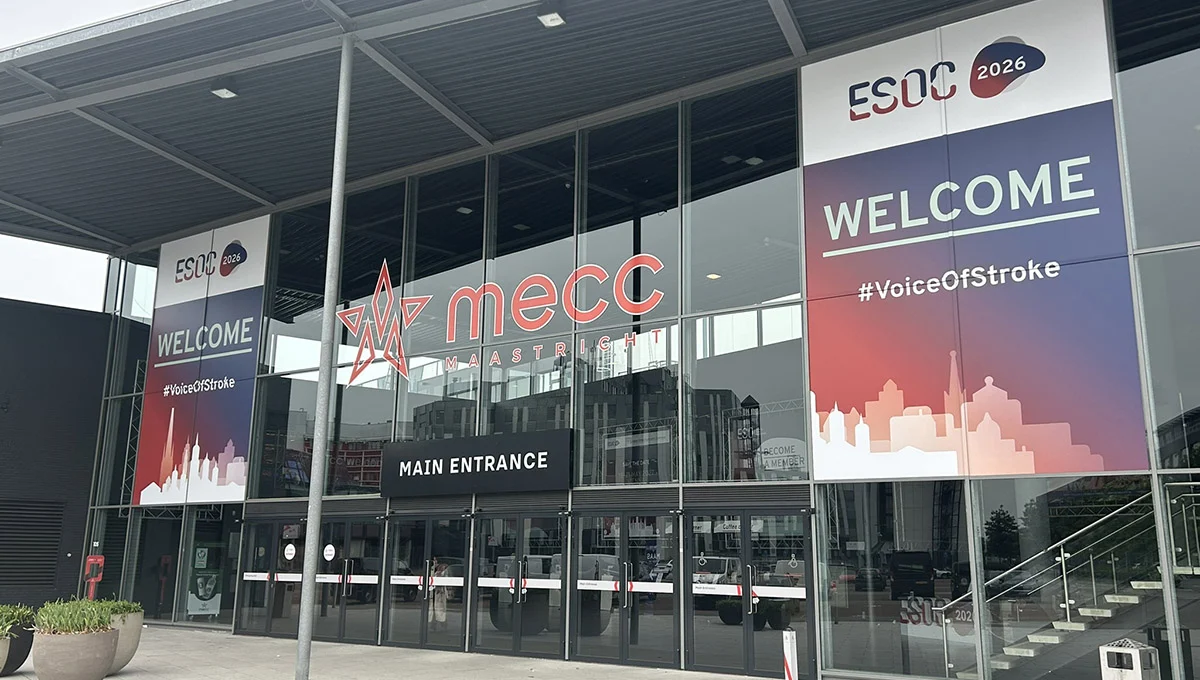
MAASTRICHT, the Netherlands—The quest to improve outcomes for patients suffering from acute ischemic stroke (AIS) reached a critical juncture at the 2026 European Stroke Organisation Conference (ESOC). As endovascular thrombectomy (EVT) has become the gold standard for large vessel occlusion, the medical community has long sought an "adjunctive" therapy to further improve functional recovery. Intra-arterial (IA) hypothermia—a technique designed to provide localized, focal cooling to the brain during or immediately after clot retrieval—has emerged as a leading candidate.
However, the presentation of two major phase III randomized controlled trials (RCTs) from China—CHILL-ART and FOCUS—has left the global stroke community at a crossroads. With one trial reporting significant clinical benefits and the other failing to show a statistical advantage, the clinical utility of IA hypothermia remains a subject of intense debate.
The Clinical Challenge: Beyond Thrombectomy
Despite the success of mechanical thrombectomy in restoring blood flow, roughly half of all treated AIS patients fail to achieve functional independence (defined as a modified Rankin Scale [mRS] score of 0-2) at 90 days. This limitation has fueled a search for neuroprotective agents that can mitigate the "reperfusion injury"—the cellular damage that occurs when blood flow is restored to ischemic tissue.
Historically, systemic hypothermia was investigated as a potential solution. However, large-scale studies consistently showed that cooling the entire body induced severe systemic side effects, most notably pneumonia, without providing significant neurological protection. Researchers subsequently pivoted toward focal, intra-arterial cooling. By delivering cold saline directly to the ischemic territory, clinicians theorized they could stabilize the blood-brain barrier and reduce metabolic demand in the brain without the systemic complications associated with whole-body cooling.
Chronology of the Trials: A Tale of Two Studies
The CHILL-ART Trial: A Positive Signal
The CHILL-ART trial, presented by lead investigator Zhi-Xin Huang, MD, PhD, of the Affiliated Guangdong Second Provincial General Hospital of Jinan University, provided the most optimistic outlook to date. Conducted across 26 centers in China, the study enrolled 262 patients (median age 70) within 24 hours of stroke onset, all of whom were slated for thrombectomy.
In this open-label study, patients were randomized to receive either the standard EVT procedure or an adjunctive IA hypothermia protocol. The cooling method involved the infusion of 50 mL of 4°C saline via a microcatheter prior to thrombectomy, followed by a secondary infusion of 300 mL post-procedure. The control group underwent a sham procedure using room-temperature saline.
The results were striking: 54.7% of the patients in the cooling group achieved functional independence at 90 days, compared to only 39.8% in the control arm (adjusted RR 1.36). Furthermore, the cooling group experienced a notable reduction in infarct volume (an average of 8.77 mL less than the control). Crucially, the intervention appeared safe, with no significant differences in mortality or systemic complications such as pneumonia or coagulation abnormalities.
The FOCUS Trial: The Counter-Narrative
In contrast, the FOCUS trial—presented by Shen Li, MD, PhD, of Beijing Shijitan Hospital—did not replicate these results. This 12-center study enrolled 258 patients using a similar patient profile to CHILL-ART. However, the study design differed in key areas: the FOCUS control group received standard medical management without a sham saline infusion, and the cooling protocol was slightly modified, with specific breaks in infusion and an exclusion of post-procedural cooling in patients who failed to achieve adequate recanalization.
The primary endpoint of FOCUS was the distribution of 90-day mRS scores. The trial failed to demonstrate a statistically significant difference between the two groups, with functional independence rates coming in at 50.8% for the cooling group and 46.9% for the control group (P=0.57). Interestingly, FOCUS did report a significant reduction in intracranial hemorrhage (ICH) at 24 hours in the cooling group, suggesting that while the procedure may not have improved functional outcomes, it may still provide a protective effect on the blood-brain barrier.
Supporting Data and Technical Disparities
The discrepancy between CHILL-ART and FOCUS has triggered a forensic analysis of their protocols. Expert observers note that while both trials utilized cold saline, the timing and dosage were inconsistent.
- Infusion Dynamics: The CHILL-ART protocol relied on a continuous, controlled delivery of cold saline, whereas the FOCUS protocol included intermittent breaks. Some physiologists suggest that these breaks might have allowed the temperature of the ischemic tissue to rebound, potentially blunting the neuroprotective effect.
- The Control Variable: The inclusion of a "sham" control in CHILL-ART versus a "standard of care" control in FOCUS is a significant point of contention. By injecting room-temperature saline, CHILL-ART controlled for the physical presence of fluid within the vessels; FOCUS, by omitting this, may have introduced biases related to the logistical handling of the patient during the procedure.
- Reperfusion Status: The FOCUS trial’s decision to withhold post-procedural cooling in patients with poor recanalization (mTICI ≤ 2b) may have inadvertently excluded the very patients who stood to gain the most from neuroprotection.
Official Responses and Independent Commentary
The scientific community has reacted with cautious skepticism. Marieta Peycheva, MD, PhD, of the Medical University of Plovdiv, Bulgaria, who attended the ESOC presentation, highlighted that while the focal approach is theoretically sound, the clinical evidence is not yet mature enough to warrant a change in standard care.
"The controversial results observed in these two trials must be contextualized," Dr. Peycheva stated. "We have seen time and again that promising pilot studies in stroke care fail to translate into large-scale clinical practice. The discordance here suggests that the efficacy of IA hypothermia is highly dependent on the precise protocol—the temperature of the saline, the infusion rate, and the duration of cooling are all variables we have yet to standardize."
Dr. Huang, defending the CHILL-ART findings, maintained that his team had established a "new paradigm" for neuroprotection. He emphasized that because the technique requires nothing more than standard refrigerated saline and existing microcatheter technology, it represents one of the most cost-effective adjunctive therapies ever studied.
Conversely, Dr. Li’s team at the FOCUS trial has already moved on to the next iteration of the technology. Recognizing the limitations of saline infusion, the team is now investigating a more advanced extracorporeal technique—drawing blood, cooling and oxygenating it, and reinfusing it into the brain.
Implications for Future Stroke Care
Where does this leave the clinician in the stroke suite? For now, the consensus is clear: further research is required.
1. The Need for Standardization
The most immediate implication of the ESOC 2026 data is the urgent need for a standardized "cooling protocol." Until researchers agree on the optimal volume and temperature of infusate, results will continue to vary.
2. Refining Patient Selection
Both trials suggest that IA hypothermia is safe and potentially beneficial for the blood-brain barrier. Future trials must identify which subgroups—such as patients with large-core infarcts or those with delayed presentation—are most likely to benefit.
3. Global Generalizability
A recurring criticism of both trials is that they were conducted exclusively within the Chinese healthcare system. "The findings need to be confirmed in diverse patient populations outside of China," Dr. Peycheva noted. "Dietary, genetic, and baseline health differences could influence how the brain responds to focal cooling, and we cannot assume the results will be identical in Western cohorts."
4. Regulatory and Practice Guidelines
International stroke societies are unlikely to update their guidelines based on this data. The lack of consistency between CHILL-ART and FOCUS means that IA hypothermia remains an experimental procedure. Surgeons should continue to prioritize rapid mechanical recanalization as the primary driver of patient outcomes.
Conclusion
The 2026 ESOC conference has provided a vital, if somewhat murky, look into the future of neuroprotection. While the dream of a simple, cost-effective "cooling cure" for stroke remains alive, the path forward is paved with the need for rigorous, large-scale, international validation. Until then, the jury remains out, and intra-arterial hypothermia remains a compelling, yet unproven, tool in the fight against stroke-induced disability.