






Main Facts: A Paradigm Shift in Lithotripsy
In a significant advancement for urological medicine, a new, non-invasive technology known as "Break Wave" lithotripsy has demonstrated both safety and high efficacy in treating kidney stones. According to data presented from the SOUND clinical trial, this in-office device utilizes low-pressure ultrasound waves to pulverize stones into fine, passable fragments.
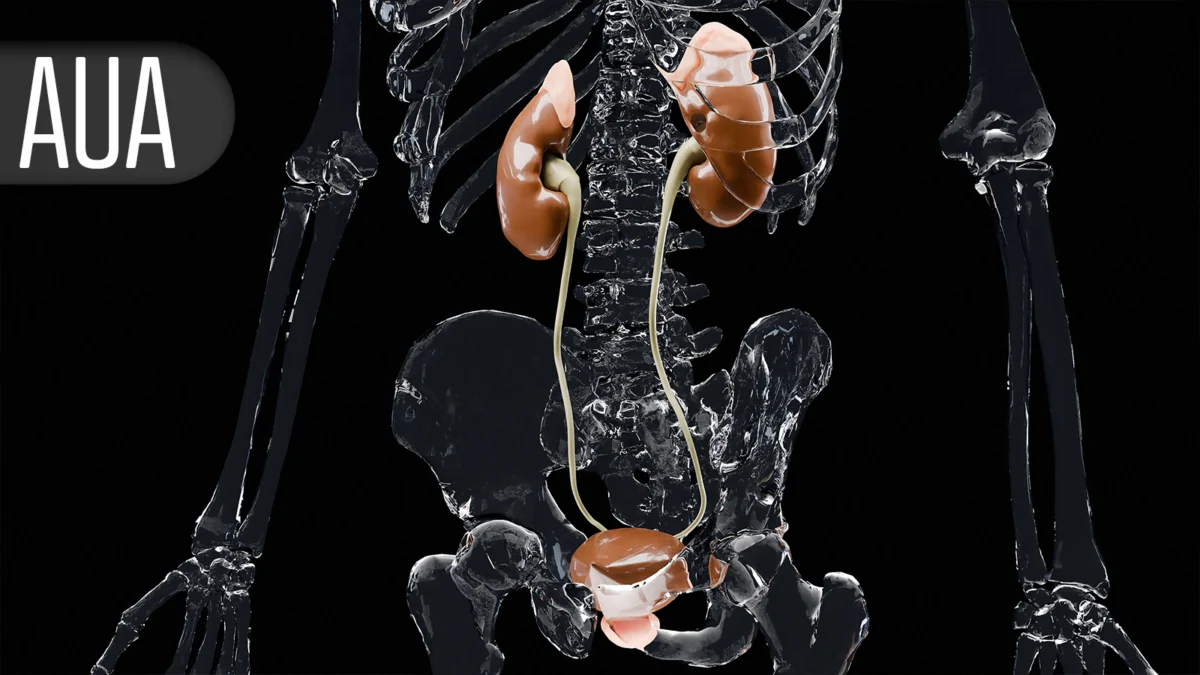
The findings, presented by Benjamin Chew, MD, of the University of British Columbia, at the American Urological Association (AUA) annual meeting, indicate that the technology could fundamentally change how millions of patients manage urolithiasis. Unlike traditional extracorporeal shock wave lithotripsy (ESWL), which often requires heavy sedation or general anesthesia, Break Wave is designed for office-based delivery, offering a patient-friendly, anesthesia-free alternative that significantly reduces healthcare overhead and recovery times.
Chronology of Development and Validation
The trajectory of the Break Wave device highlights the rapid pace of medical innovation in the urology sector.
- Early 2024: The developer, SonoMotion, officially received FDA clearance for the initial Break Wave lithotripsy device, marking a turning point for office-based stone management.
- The SOUND Trial: Conducted as a pivotal study (NCT05701098), the trial enrolled 64 adults with upper urinary tract stones ranging from 4 mm to 10 mm. The study was designed to measure the device’s efficacy against the established gold standard of ESWL.
- May 2024: Building on the momentum of the initial clearance, the company secured FDA approval for a next-generation version of the Break Wave device, which features a smaller, more maneuverable therapy probe.
- June 2024 (AUA Annual Meeting): Dr. Benjamin Chew presented the comprehensive results of the SOUND trial, confirming that the device met its primary endpoints for both efficacy and safety.
Supporting Data: The Mechanics of "Dusting"
The clinical success of Break Wave lies in its unique physical mechanism. While traditional ESWL operates on a "shock" principle—delivering high-pressure waves (up to 45 megapascals) that can be likened to a professional boxer striking a heavy bag—Break Wave employs low-pressure ultrasonic waves.
Dr. Chew likened the technology to the physics of sound resonance: "It is like an opera singer singing at a resonant frequency that will shatter glass." Instead of a singular, high-force impact, the device delivers a rapid series of low-pressure "taps" (up to 8 megapascals), which he compared to a boxer working a speed bag. This delicate, high-frequency approach results in "dusting"—breaking the stone into fine, granular particles—rather than fracturing it into large, potentially obstructive chunks.
Performance Metrics
The data from the 64-patient SOUND cohort provided compelling evidence of the device’s utility:
- Success Rates: The device achieved a 70% success rate, defined as patients becoming stone-free or having remaining fragments of 4 mm or less.
- Setting Versatility: Remarkably, 94% of the procedures were completed in an outpatient clinic setting, bypassing the need for hospital-based surgery centers.
- Procedural Efficiency: The average treatment time was just under 30 minutes, with a rapid procedure-to-discharge time of approximately 14 minutes.
- Pain Management: Patients reported an average pain score of just 2.0 on a 10-point scale, and—critically—all patients tolerated the procedure without the need for sedation or anesthesia.
- Anatomical Performance: Success varied by location, with 87% success in the ureter and 90% in the urethrovesical junction (UVJ). While renal and lower-pole stones presented higher challenges (52% and 47% success rates respectively), the introduction of the next-generation probe, which has a 31% smaller footprint, has already shown early promise in improving these outcomes.
Official Responses and Expert Analysis
Dr. Benjamin Chew emphasized the importance of the study’s safety profile, noting that the device met its primary safety endpoint of non-inferiority to ESWL. Patients experienced no instances of clinically significant hematoma, urinary tract sepsis, or serious cardiac arrhythmias.
"Break Wave offers a safe and efficacious non-invasive and anesthesia-free treatment option at any healthcare setting," Dr. Chew stated. He underscored that the device eliminates the logistical burden of pre-operative clearance, the need for post-anesthesia care units (PACU), and the reliance on dedicated anesthesiology support staff.
However, the medical community remains pragmatic about the current limitations. In a 2024 study published in the Journal of Urology, Dr. Chew’s team acknowledged that the ultrasound-based technology is not a "one-size-fits-all" solution. Certain stone locations—specifically those obscured by bowel, lung, or rib anatomy—remain difficult to target. The researchers noted that approximately 41% of potential candidates in the trial were excluded due to an "acoustic window" that prevented clear visualization or targeting of the stone.
Implications for the Future of Urology
The implications of the Break Wave technology are far-reaching, particularly regarding the democratization of kidney stone care.
1. Shift Toward Office-Based Urology
The ability to perform lithotripsy without an operating room (OR) represents a seismic shift for private practices. Currently, most stone procedures require significant hospital resources. Moving this to a clinical environment reduces the "cost-per-procedure" and allows urologists to provide immediate relief to patients without waiting for OR availability.
2. Patient Quality of Life
For patients, the elimination of anesthesia is the most significant benefit. Anesthesia carries its own set of risks, recovery times, and costs. By removing the need for sedation, patients can effectively "walk in and walk out," returning to work and daily activities almost immediately.
3. Addressing the "Lower Pole" Challenge
The ongoing development of the next-generation probe suggests that the device’s range of application is expanding. As the technology matures, it is expected that clinicians will be able to treat a broader spectrum of stone locations that were previously inaccessible due to the bulky nature of early-generation ultrasound equipment.
4. Economic and Logistical Impact
The trial data suggests that Break Wave is highly efficient. With an average treatment time of under 30 minutes and no recovery unit required, clinics can significantly increase their throughput. Moreover, the lack of unplanned interventions—as noted by Dr. Chew—suggests that the safety profile is robust enough to handle the pressures of a busy, high-volume clinic.
Conclusion
The SOUND trial data provides a strong foundation for the adoption of Break Wave lithotripsy as a standard-of-care alternative for small-to-moderate kidney stones. By harnessing the physics of sound to gently "dust" stones, this technology minimizes trauma to the patient while maximizing the operational flexibility of the clinic.
As clinicians continue to refine the technique and hardware—particularly with the new, smaller probes—Break Wave is poised to become an essential tool in the modern urologist’s arsenal. While it may not yet replace all forms of lithotripsy, its success in the SOUND trial marks a clear movement toward a future where kidney stone treatment is faster, cheaper, and vastly more comfortable for the patient.