











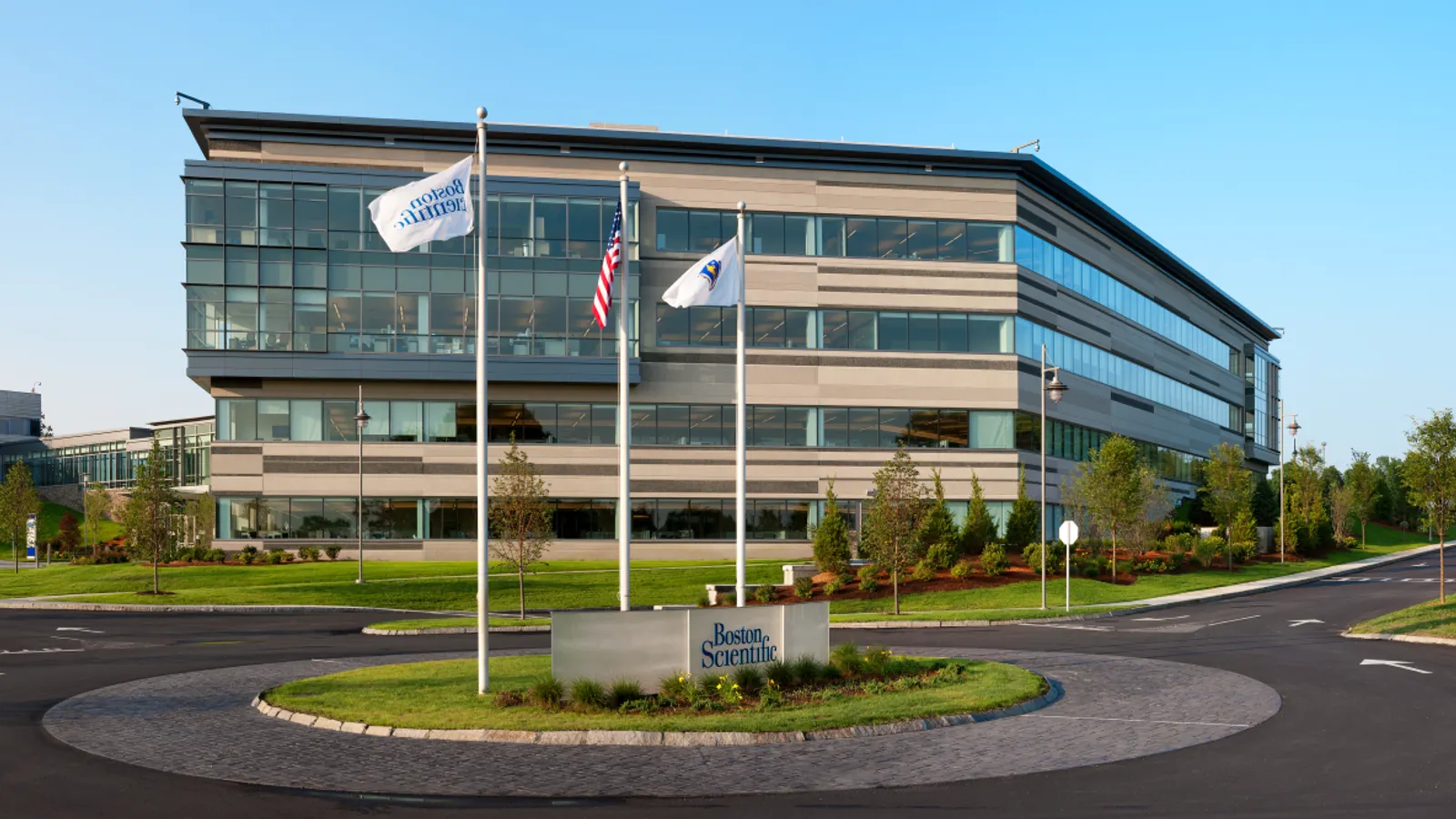
In a bold move to re-establish its footprint in the lucrative and rapidly expanding Transcatheter Aortic Valve Replacement (TAVR) market, Boston Scientific has announced a significant strategic investment in MiRus, a medical device company specializing in advanced structural heart solutions. The deal grants Boston Scientific a 34% equity stake in MiRus, alongside a multi-billion dollar option to acquire the company’s TAVR platform. This pivot represents the latest chapter in Boston Scientific’s turbulent history within the cardiology space, as the firm seeks to overcome previous clinical and technical hurdles to secure a share of the growing global market for aortic stenosis treatments.
Main Facts: The Terms of the Strategic Alliance
The agreement between Boston Scientific and MiRus is structured as a tiered investment with long-term acquisition potential. By securing a 34% equity position, Boston Scientific gains significant influence over the development and regulatory trajectory of the MiRus TAVR portfolio. Central to this investment is the "Siegel" valve, a proprietary technology that is currently being evaluated in clinical settings.
The financial framework of the deal is substantial. Boston Scientific has secured an option to acquire the entire TAVR business unit from MiRus. If exercised, this acquisition would involve payments totaling $3 billion. Beyond the primary TAVR assets, the agreement includes an exclusive option for Boston Scientific to acquire MiRus’s mitral and tricuspid valve replacement assets, potentially expanding the deal’s scope to cover a broader spectrum of structural heart diseases.
Should the acquisition be triggered, the structure of the deal also includes a performance-based component, ensuring that MiRus receives further payments contingent upon the net sales of the Siegel valve over a specified timeframe. This structure aligns the incentives of both companies, rewarding MiRus for successful commercialization while mitigating the immediate financial risk for Boston Scientific.
A Troubled Chronology: The Road to Re-Entry
Boston Scientific’s journey into the TAVR market has been characterized by high ambitions punctuated by significant setbacks. For years, the company has sought to challenge the market dominance held by industry titans Edwards Lifesciences and Medtronic, yet it has faced repeated obstacles that forced it to abandon previous product lines.
The Lotus Edge Discontinuation (2020)
In late 2020, Boston Scientific made the difficult decision to discontinue its "Lotus Edge" TAVR system. The platform, which had once been viewed as a promising alternative to existing valves, was plagued by challenges regarding its delivery system. The company ultimately cited the complexity of the device’s manufacturing and the significant resources required to maintain the platform in an increasingly competitive market as the primary drivers for its withdrawal.
The Acurate Neo2 Setback (2024)
Following the Lotus exit, Boston Scientific pinned its hopes on the Acurate platform. However, these aspirations were dampened earlier this year when the company halted worldwide sales of the Acurate Neo2 valve. This decision followed clinical trial data that failed to demonstrate noninferiority against the gold-standard devices—specifically the Sapien valve from Edwards Lifesciences and the Evolut device from Medtronic. The failure to meet these key clinical endpoints effectively signaled the end of that specific iteration, forcing the company back to the drawing board.
By investing in MiRus, Boston Scientific is signaling to investors and the medical community that it is not abandoning the structural heart sector, but rather shifting its focus toward more innovative, potentially disruptive technology.
Supporting Data: The Promise of the Siegel Valve
The cornerstone of this new partnership is the Siegel valve, which Boston Scientific believes offers distinct clinical advantages that its predecessors lacked. According to the company, the Siegel valve is the industry’s first nickel-free, balloon-expandable TAVR device. This feature is particularly significant, as it addresses long-standing concerns regarding nickel sensitivity in patients—a factor that has historically been an overlooked variable in long-term implant outcomes.
The STAR Pivotal Trial
The device is currently the subject of the STAR pivotal trial. This study is evaluating the safety and efficacy of the Siegel valve across three distinct patient cohorts: those at low, intermediate, and high risk for surgical complications. By testing the valve across this broad spectrum of risk profiles, MiRus aims to demonstrate that the Siegel valve is not merely a niche product but a versatile, primary treatment option for the millions of patients suffering from severe, symptomatic aortic stenosis.
Market Drivers
The rationale for the investment is underscored by demographic shifts. Aortic stenosis—a narrowing of the aortic valve opening—is a degenerative condition that becomes increasingly prevalent as the global population ages. Lance Bates, President of Interventional Cardiology and Vascular Therapies at Boston Scientific, noted that the recognition of this condition is rising rapidly. With millions of elderly patients requiring intervention, the total addressable market for TAVR continues to expand, providing a compelling long-term tailwind for companies that can deliver reliable, high-performing technology.
Official Responses and Strategic Rationale
The leadership at Boston Scientific has framed this investment as a measured, strategic return to a critical market. While acknowledging the past difficulties, the company is positioning the MiRus partnership as a refined approach that emphasizes design superiority.
"We believe the distinctive design and impressive early clinical results of the Siegel valve may set it apart from currently available technology," said Lance Bates in a recent statement. "This partnership provides our physicians with an advanced option to treat a wide array of patients, addressing the unmet needs that remain in the current structural heart landscape."
Industry analysts have observed that the $3 billion valuation is a clear indication of how highly Boston Scientific values a successful re-entry into the TAVR space. For MiRus, the partnership provides the necessary capital and global commercial infrastructure to scale the production of the Siegel valve and navigate the complex regulatory approval processes in the U.S. and Europe—hurdles that are often insurmountable for smaller, independent medtech firms.

Implications for the Industry and Stakeholders
The implications of this deal are far-reaching, affecting both the competitive landscape of the structural heart market and Boston Scientific’s broader financial outlook.
Competitive Dynamics
The TAVR market has long been a duopoly, with Edwards Lifesciences and Medtronic commanding the vast majority of the global market share. Boston Scientific’s return, armed with a novel, nickel-free technology, introduces a new variable that could pressure incumbents to accelerate their own R&D cycles. If the Siegel valve performs well in the STAR trial, it could potentially erode the market share of established players, particularly if the valve demonstrates superior hemodynamic performance or ease of use for interventional cardiologists.
Financial Outlook
From a financial perspective, Boston Scientific has been careful to manage expectations. The company stated that the initial investment in MiRus is expected to be "immaterial" to its adjusted earnings per share (EPS) in 2026. This language is designed to reassure shareholders that the firm is not over-leveraging itself on an unproven product, while simultaneously preserving the upside potential should the acquisition option be exercised and the Siegel valve achieve blockbuster status.
Future Expansion: Mitral and Tricuspid Assets
The inclusion of an option for mitral and tricuspid valve assets is arguably as important as the TAVR deal itself. While TAVR has dominated the structural heart conversation for a decade, the repair and replacement of mitral and tricuspid valves represent the next frontier in minimally invasive cardiology. By securing a "right of first refusal" or an option to acquire these assets, Boston Scientific is positioning itself to be a leader in the next generation of cardiac interventions, ensuring it does not miss out on future technological shifts.
Conclusion: A Calculated Leap
Boston Scientific’s investment in MiRus is a testament to the company’s persistence and its recognition that structural heart disease is a foundational component of modern cardiology. By pivoting away from the failed Acurate and Lotus platforms and betting on the novel design of the Siegel valve, Boston Scientific is attempting to learn from its past mistakes.
The success of this venture will ultimately rest on the outcomes of the STAR trial and the subsequent regulatory reception of the Siegel valve. While the company has faced significant headwinds in this space, the scale of this investment suggests that they believe the future of TAVR belongs to technologies that can offer better biocompatibility and greater clinical versatility. As the population continues to age, the demand for such innovations will only intensify, making this $3 billion bet a critical move for Boston Scientific’s future in the global medical technology market. For the medical community and patients alike, the potential for a new, advanced treatment option represents a hopeful step forward in the management of severe aortic stenosis.