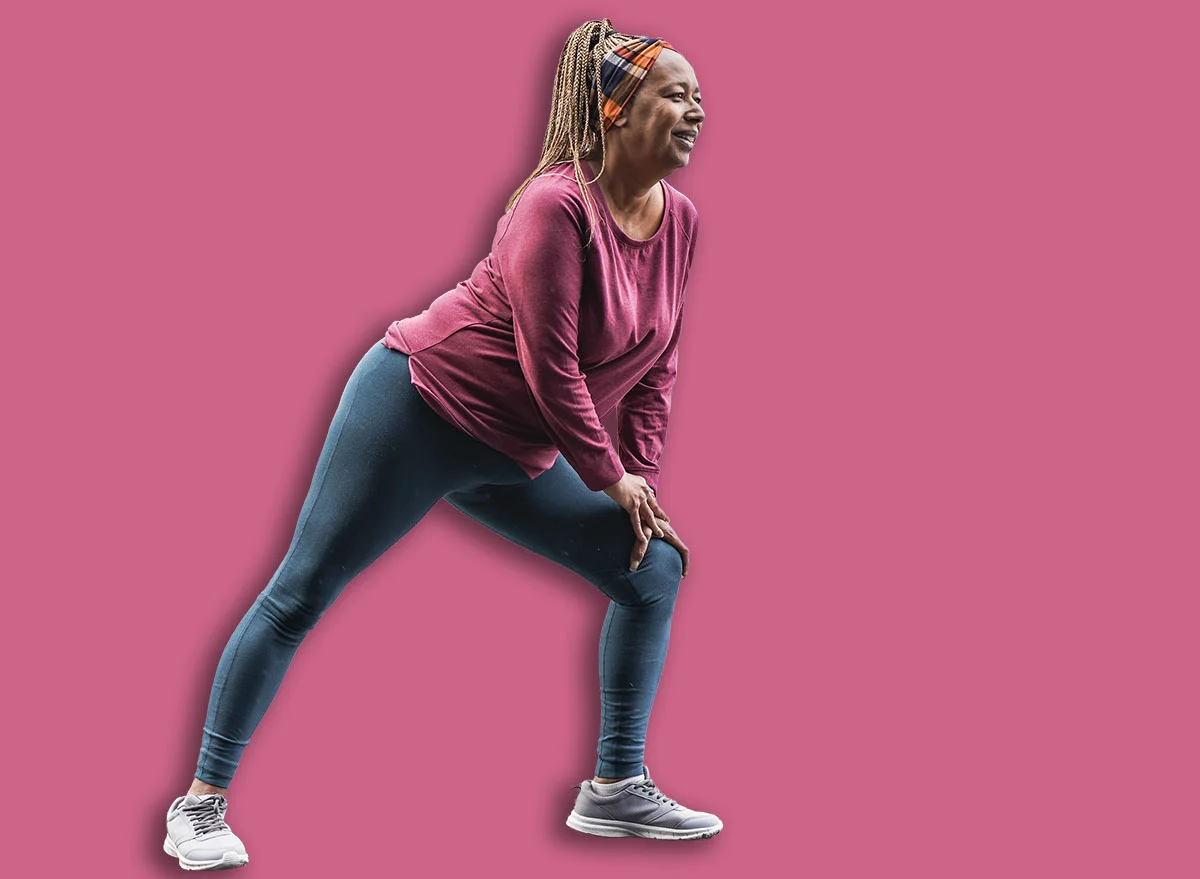
As we navigate the later chapters of life, the conversation around health often shifts toward heart function, cognitive sharpness, and bone density. However, there is a fundamental pillar of physical autonomy that is frequently overlooked: the strength of our thighs. Your thighs house the largest muscle groups in the human body—the quadriceps and hamstrings—and they serve as the primary engine for nearly every movement we make. From rising from a chair to navigating a flight of stairs or recovering from a trip, thigh strength is the silent guardian of your independence.
The Vital Role of Thigh Strength in Aging
Thigh strength is far more than a matter of aesthetics or athletic performance; it is a critical component of functional longevity. As we age, the body undergoes a natural process of muscle mass decline known as sarcopenia. If left unchecked, this reduction in muscle fibers can lead to diminished stability, a higher risk of debilitating falls, and a loss of mobility that forces many to sacrifice their independence.
Beyond simple locomotion, robust thigh muscles play an active role in metabolic health. Because they are the largest muscle group, they act as a "metabolic sink," helping to regulate blood sugar levels by increasing glucose uptake. When these muscles are strong, the entire body functions more efficiently, stabilizing the skeletal system and protecting the joints from the wear and tear that leads to chronic pain.
Moving Beyond the Machine: Why Functional Training Wins
Many fitness enthusiasts over the age of 60 rely on machines like the leg press to maintain strength. While these devices are effective for muscle hypertrophy, they offer limited carryover to the complexities of daily life.
"The leg press can build muscle, but it has limitations when it comes to functional strength," explains Ngo Okafor, celebrity trainer and founder of Iconoclast Fitness. "The biggest issue is that the machine stabilizes your body for you. In real life, nobody is stabilizing you when you walk, climb stairs, get off the floor, or catch yourself from falling."
Okafor emphasizes that functional, standing exercises force the body to operate as an integrated system. When you perform standing movements, your legs, hips, core, and posture are required to work in tandem. This synergy is what builds the "real-world" strength necessary to navigate unpredictable environments safely.
The Philosophy of Graceful Aging
The transition from aging gracefully to aging in a state of frailty is rarely a sudden event; it is usually the result of a gradual decline in the movement patterns required for daily living. Terry Tateossian, a certified lifestyle medicine coach and nutritionist, notes that maintaining physical independence is largely a result of preserving the right movement patterns.
"The exercises that hold up the best are ones that train the body to do what it already needs to do—only stronger, steadier, and with more confidence than the day before," says Tateossian. "Strong thighs are built through real-life movement. That means standing, stabilizing, and moving the body in a way that real life actually demands."
Five Pillar Exercises to Restore Thigh Strength
If you are looking to regain strength, balance, and confidence, the following five exercises are designed to mimic natural movement patterns while providing a superior alternative to seated machine training.
1. Bodyweight Squats: The Ultimate Functional Foundation
The squat is the fundamental movement pattern for human life. Whether you are sitting down for dinner or rising from the couch, you are performing a squat.
- The Impact: Squats engage the quads, glutes, and core simultaneously.
- Expert Insight: Okafor notes that mastering the bodyweight squat is the first step in ensuring that an individual can sit down and stand up without the need for assistance, effectively lowering the risk of becoming "stuck" in a seated position.
2. Step-Ups: Building Single-Leg Stability
Life is rarely performed on two perfectly balanced legs. Climbing a flight of stairs requires your legs to work independently, shifting weight from one side to the other.
- The Impact: Step-ups mimic the act of climbing stairs, forcing the stabilizer muscles in the hips and knees to engage.
- Expert Insight: By training each leg individually, step-ups identify and correct muscle imbalances, which is a key factor in preventing falls in uneven terrain.
3. Stationary Lunges: The Split Squat Advantage
Often referred to as split squats, stationary lunges are arguably the most effective movement for developing unilateral strength.
- The Impact: They restore mobility in the hip flexors while strengthening the quads and hamstrings of the lead leg.
- Expert Insight: As we age, the ability to lunge—or catch ourselves if we lose our footing—becomes a crucial life-saving skill. This movement pattern prepares the body for the unexpected.
4. The Farmer’s Carry: Strengthening the "Whole" Body
While it may look like a simple walk with weights, the Farmer’s Carry is a powerhouse of functional fitness.
- The Impact: It challenges grip strength, core stability, and posture, all while forcing the legs to support a load under dynamic conditions.
- Expert Insight: Okafor highlights that the Farmer’s Carry protects against injury by teaching the body how to keep the spine neutral while the legs perform the heavy lifting. It is an essential movement for anyone looking to carry groceries, luggage, or children with ease.
5. Dumbbell Romanian Deadlifts (RDLs)
As we age, we often neglect the posterior chain—the back of the legs. RDLs are specifically designed to address this.
- The Impact: They focus on the hamstrings and glutes, creating a balanced, strong foundation that prevents the "hunched" posture often associated with aging.
- Expert Insight: Tateossian points out that since muscle loss is often most aggressive in the thighs, the RDL is essential for keeping the posterior muscles active and responsive. "Romanian deadlifts help build balanced strength between the quads, glutes, and hamstrings," she notes.
Supporting Data: Why Timing Matters
Research in geriatric health suggests that the "window of opportunity" to build significant muscle mass remains open well into our 80s, provided the stimulus is correct. Studies have consistently shown that resistance training, even when initiated in the 60s or 70s, can reverse signs of muscle atrophy.
Data from the American College of Sports Medicine underscores that for older adults, the priority should shift from high-intensity, short-duration lifting to functional, movement-based training. This shift decreases the strain on connective tissues while maximizing the recruitment of stabilizer muscles. When an individual engages in these five movements, they are not just "working out"; they are training their neuromuscular system to communicate more effectively with their muscles, which is the primary driver of balance and reaction time.
Implications for Long-Term Health
The implications of ignoring thigh strength are significant. A lack of mobility often leads to a sedentary lifestyle, which is a known catalyst for cardiovascular issues, metabolic syndrome, and depression. Conversely, by committing to a routine of functional movements, individuals can reclaim their physical autonomy.
The goal of these exercises is not to transform you into a bodybuilder; it is to ensure that you can continue to travel, hike, play with grandchildren, and manage your own household without fear of falling or physical fatigue. By prioritizing the largest muscles in your body, you are investing in the most reliable insurance policy for your future health.
As Tateossian concludes, the key is consistency and confidence. By treating the body as an integrated system—rather than a collection of parts to be isolated—we can ensure that our later years are defined by activity and independence rather than limitations. Start small, focus on form, and remember that every repetition is a step toward a more capable, resilient version of yourself.