









As we navigate the aging process, few physiological changes are as consequential as the decline in hip strength and stability. For individuals over the age of 65, hip health is not merely a fitness goal—it is a critical factor in maintaining independence, preventing debilitating falls, and ensuring long-term mobility. While traditional strength training methods like squats are often touted as the "gold standard," they are not always accessible or safe for everyone.
A growing body of fitness expertise now suggests that chair-based exercises offer a more sustainable, lower-impact pathway to rebuilding hip integrity. By focusing on controlled, targeted movements, seniors can fortify their hips, improve pelvic stability, and reclaim their physical autonomy.
The Critical Nature of Hip Health After 60
The hip joint acts as the body’s primary powerhouse, serving as the bridge between the upper and lower body. When this joint loses strength, the ripple effect is felt throughout the entire kinetic chain, often leading to knee pain, lower back discomfort, and a diminished sense of balance.
Marwa Ahmed, a NASM-Certified Personal Trainer, Running Coach, and CEO of The BodyMind Coach, explains that the decline is often insidious. "Hip strength usually declines with age because your muscles lose mass, speed, and power over time, especially if they’re not challenged in different ways," Ahmed notes. "Even active adults can lose strength if they mostly do the same movements, sit for long periods, or don’t train hip stability, side-to-side control, and one-leg support."
This loss of "hip power" is more than just a matter of fitness; it is a clinical concern. Research consistently indicates that reduced hip power is directly correlated with a slower gait, increased fall risk, and difficulty performing daily activities like climbing stairs or getting out of a chair.
Why Chair Exercises Outperform Traditional Methods for Many
For many older adults, the traditional barbell or bodyweight squat presents significant barriers. These include pre-existing knee arthritis, vertigo, or fear of losing balance. This is where chair-based training shines.
"Chair exercises can be an easier first step because they build hip strength with less joint strain and more control," says Ahmed. By removing the need to manage one’s full body weight against gravity in an unstable standing position, these exercises allow the individual to isolate the gluteal and hip flexor muscles. This controlled environment builds a foundation of neuromuscular coordination, pelvic stability, and basic strength, which serves as a necessary prerequisite for more advanced, weight-bearing fitness routines.
The Five Essential Chair Exercises for Hip Longevity
To help seniors regain their mobility, Ahmed recommends a specific circuit of five exercises. These movements are designed to be performed safely in a stable chair, focusing on slow, deliberate muscle recruitment.
1. The Seated March
The seated march targets the hip flexors, which are essential for lifting the leg during walking. By sitting tall and lifting one knee toward the ceiling in a controlled manner, you engage the deep muscles of the core and hip. This exercise mimics the mechanics of walking while eliminating the risk of a fall.
2. Seated Leg Extension
This move focuses on the quadriceps and the stabilization of the hip joint. By extending the leg fully while seated, you strengthen the muscles surrounding the knee and hip, helping to create a stable base for standing activities.
3. Seated Hip Abduction
Often overlooked, the abductor muscles (located on the outside of the hip) are vital for side-to-side stability. Seated abduction involves moving the legs outward against resistance (or simply moving them through a controlled range of motion). This is arguably the most important exercise for preventing lateral instability, which is a major contributor to hip fractures.
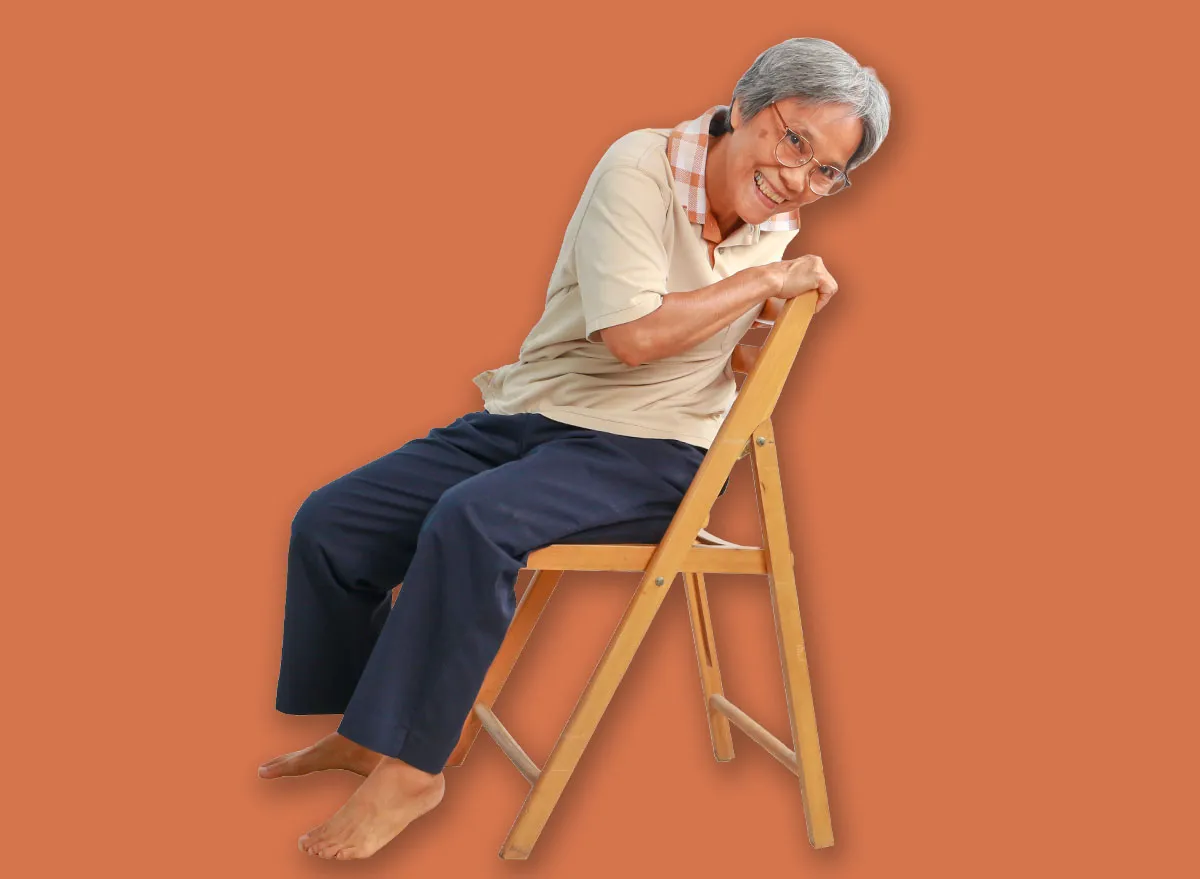
4. Seated Forward Leans
This exercise teaches the body the essential mechanics of hip hinging—the movement pattern used for sitting down and standing up. By leaning forward from the hips while keeping the spine neutral, you teach the glutes to fire correctly, which protects the lower back and strengthens the posterior chain.
5. Chair-Supported Step-Ups
As a bridge toward full weight-bearing exercise, the chair-supported step-up introduces the concept of unilateral support. Using the chair for balance, the individual performs a modified step-up movement. This is critical for training the hip to support the body’s weight on one leg at a time, a movement pattern that is essential for every step we take.
Supporting Data: The Science of Aging and Muscle Loss
The physiological reality of aging involves "sarcopenia," the age-related loss of muscle mass and function. According to recent data from the Journal of Aging and Physical Activity, muscle mass can decline by as much as 3% to 8% per decade after the age of 30, with the rate accelerating significantly after age 60.
The hips are particularly susceptible to this decline. When the hip abductors and extensors weaken, the pelvis becomes unstable. This instability shifts the burden of movement onto the lower back and knees, which are not designed to handle the load. By implementing chair-based resistance training, seniors can provide the necessary mechanical stimulus to slow the progression of sarcopenia, effectively "waking up" dormant muscle fibers that have been neglected due to a sedentary lifestyle.
Implications for Longevity and Independence
The implications of these exercises extend far beyond the gym. A stable hip joint is the primary defense against the most common cause of injury in the elderly: the fall. A study published in the American Journal of Medicine found that individuals with higher hip strength were 40% less likely to suffer a fall-related injury that resulted in hospitalization.
Moreover, the psychological impact of regaining hip strength cannot be overstated. When an individual feels confident in their ability to move, stand, and balance, they are more likely to remain socially active and engaged. The cycle of inactivity—where fear of falling leads to less movement, which in turn leads to further weakness—is broken by the simple, accessible nature of these chair exercises.
Expert Guidance: How to Start
Before beginning any new exercise routine, it is essential to consult with a healthcare provider or a physical therapist. Once cleared, Ahmed recommends a "consistency-first" approach.
- Start Slow: Begin with 5–10 repetitions per exercise.
- Focus on Form: Never rush. The benefits of these exercises come from the controlled contraction of the muscle, not the speed at which you complete the set.
- Progressive Overload: As the movements become easier, consider adding light ankle weights or performing the movements more slowly to increase "time under tension."
- Listen to Your Body: Minor muscle fatigue is expected, but sharp joint pain is a signal to stop and adjust.
Conclusion: A Proactive Path Forward
The goal of aging gracefully is not just to live longer, but to live better. By dedicating time each day to the health of our hips, we are essentially buying insurance for our future independence. The chair, often viewed as a symbol of sedentary living, can be transformed into the most effective tool in your fitness arsenal. Whether you are currently experiencing hip discomfort or are simply looking to be proactive in your sixties and beyond, these five movements provide a clear, evidence-based roadmap to maintaining the strength and stability required for a full, active life.