











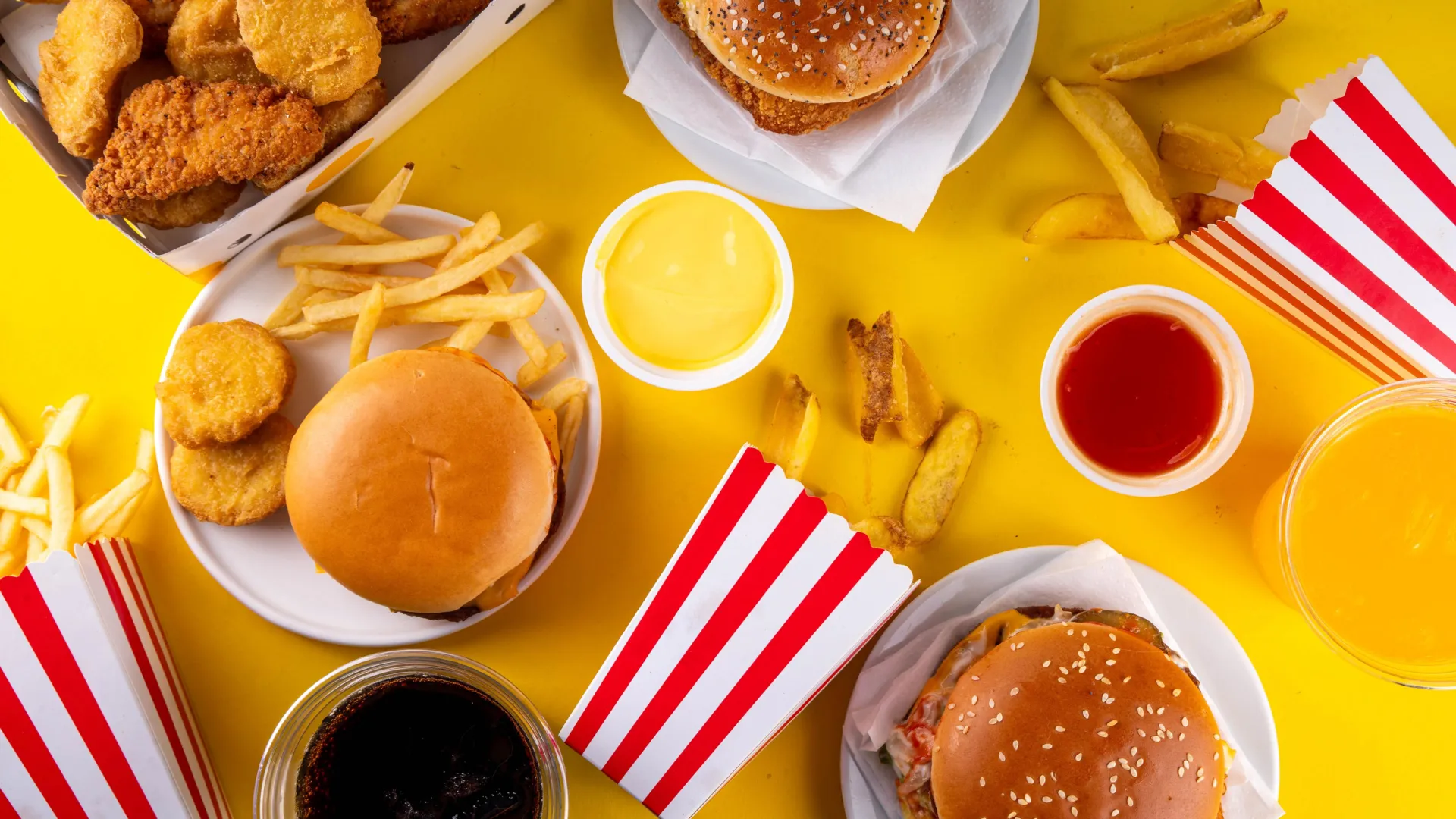
In a landmark consensus statement that marks a significant shift in cardiovascular health guidance, leading experts are calling for an immediate overhaul of how clinicians address patient diet. Published in the European Heart Journal, a comprehensive synthesis of current global research has concluded that the regular consumption of ultra-processed foods (UPFs) is not merely a lifestyle choice, but a primary driver of heart disease, metabolic dysfunction, and premature mortality.
The report, spearheaded by a powerhouse coalition including the European Society of Cardiology’s (ESC) Council for Cardiology Practice and the European Association of Preventive Cardiology (EAPC), asserts that the time for dietary ambiguity is over. By identifying UPFs as a distinct, independent risk factor for cardiovascular disease (CVD), the medical community is moving beyond the traditional focus on isolated nutrients—like fat or salt—to address the structural reality of modern industrial food manufacturing.
The Evolution of the Crisis: A Chronology of UPF Integration
To understand the current urgency, one must look at the rapid transformation of the human diet over the last half-century.
The Rise of Convenience (1970s–1990s)
The late 20th century saw a seismic shift in food production. As dual-income households became the norm, the demand for "convenience" surged. Food manufacturers responded with products designed for shelf-stability, palatability, and speed. During this period, the prevalence of industrial additives—emulsifiers, stabilizers, artificial sweeteners, and coloring agents—became ubiquitous in the average supermarket aisle.
The Scientific Awakening (2000s–2015)
For years, nutrition science focused primarily on the "Big Three" nutrients: sugar, salt, and saturated fat. However, researchers began to notice that even when these nutrients were balanced, populations consuming high volumes of factory-made items faced worse health outcomes than those eating whole foods. The term "ultra-processed" began to gain traction as researchers recognized that the process of manufacturing itself—not just the ingredients—might be causing metabolic harm.
The Evidence Accumulates (2016–2023)
A decade of large-scale observational studies across diverse populations provided the bedrock for the current consensus. Researchers began documenting a consistent correlation between UPF intake and the rise of non-communicable diseases. Data emerged linking these foods to a higher risk of hypertension, type 2 diabetes, obesity, and systemic inflammation.
The Consensus Milestone (2024)
The publication in the European Heart Journal represents the first time these disparate findings have been synthesized into a unified clinical directive. By formally labeling UPFs as a cardiovascular hazard, the medical establishment has signaled that dietary counseling must now include an explicit conversation about the degree of food processing.
Defining the Danger: What Constitutes an Ultra-Processed Food?
Ultra-processed foods are not simply "junk food." They are defined by the NOVA classification system as industrial formulations typically containing five or more ingredients. These often include substances not used in culinary preparations, such as high-fructose corn syrup, hydrogenated oils, protein isolates, and various additives that enhance flavor, color, or texture.
Crucially, the report notes that many foods marketed as "healthy" or "nutritious"—such as fortified breakfast cereals, plant-based meat alternatives, "light" yogurts, and protein-enriched snack bars—often meet the criteria for being ultra-processed. The concern is that consumers are being misled by labels that emphasize a specific vitamin or protein content while ignoring the hyper-industrialized matrix of the product itself.
Supporting Data: The Biological Mechanism of Harm
The report’s authors, led by Professor Luigina Guasti of the University of Insubria and Dr. Marialaura Bonaccio of IRCCS NEUROMED, emphasize that the danger of UPFs is "biologically plausible." The link to cardiovascular disease is not a coincidence, but a result of several overlapping physiological disruptions.
1. Metabolic Disruption and Obesity
UPFs are engineered to be hyper-palatable, often bypassing the body’s natural satiety signals. This leads to overconsumption. Because these foods are typically calorie-dense but nutrient-poor, they drive the obesity epidemic, which acts as a primary catalyst for hypertension and cardiovascular stress.
2. The Inflammation Factor
The additives and contaminants found in UPFs—as well as the "altered food structure"—have been shown in preliminary studies to trigger systemic inflammation. Chronic inflammation is a known precursor to atherosclerosis, the hardening of the arteries that leads to heart attacks and strokes.
3. Microbiome Alterations
The human gut microbiome is sensitive to the chemical composition of food. Emulsifiers and artificial preservatives commonly found in UPFs can shift the balance of gut bacteria, potentially leading to "leaky gut" and metabolic endotoxemia, both of which exacerbate cardiovascular risk.
4. Displacement of Whole Foods
Perhaps the most dangerous aspect of UPFs is their role in displacement. By dominating the modern diet, they replace fiber-rich fruits, vegetables, legumes, and whole grains. This creates a dual burden: the body is bombarded with harmful additives while being starved of the protective phytonutrients and fibers necessary for arterial health.
Official Responses and the Call to Action
The consensus statement is a clarion call to both the medical profession and government regulators.
The Clinician’s Role
The authors urge doctors to integrate UPF screening into routine patient check-ups. Just as a physician asks about smoking status or alcohol intake, they should now ask about the daily frequency and volume of processed foods. "We hope that this consensus statement… will help doctors recognize UPFs as a potential risk factor and provide clear guidance to their patients," says Professor Guasti.
The Need for Structural Change
The experts argue that individual willpower is insufficient to overcome the pervasive nature of UPFs. They are calling for:
- Clearer Labeling: Mandatory, easy-to-understand front-of-package warnings that identify a product as "ultra-processed."
- Government Regulation: Policy changes, including taxing UPFs and subsidizing whole, fresh foods to level the playing field.
- Updated Dietary Guidelines: National health agencies must pivot away from nutrient-centric guidelines and incorporate processing-level considerations.
Implications for Public Health and Future Research
While the current findings are robust, the authors are careful to point out the need for more rigorous evidence. "We need long-term intervention trials to test whether reducing UPFs improves cardiovascular health," notes Dr. Bonaccio. Most existing data is observational; therefore, future studies must prioritize randomized controlled trials to establish a definitive causal link and understand the specific effects of individual additives.
A Paradigm Shift in Prevention
The move to include UPFs in cardiovascular risk assessment changes the calculus of preventive medicine. It suggests that health outcomes could be significantly improved without necessarily adding cost or time to the clinical encounter. By simply educating patients on how to swap out ultra-processed items for minimally processed or whole alternatives, practitioners may be able to curb the rise of heart disease at its source.
The Path Forward
The implications for the food industry are profound. As medical evidence mounts, manufacturers may face increased pressure to reformulate products to avoid the "ultra-processed" label. For the public, the message is clear: the modern diet is a laboratory experiment that has gone on too long.
As we look toward the future, the consensus from the European Society of Cardiology and the European Association of Preventive Cardiology serves as a necessary intervention. It reminds us that our hearts are not just the sum of the salt, sugar, and fat we consume; they are the recipients of the entire industrial process. To protect our cardiovascular future, we must return to the basics: eating food that looks, feels, and acts like the natural components from which it is derived.
In conclusion, the report emphasizes that disease prevention is no longer just about counting calories or macros; it is about the quality and integrity of the food we eat. For the clinician, the patient, and the policy-maker, the challenge of the next decade will be to dismantle the dominance of the ultra-processed diet and reclaim a food culture that promotes, rather than undermines, human longevity.