Executive Summary: A Landmark Achievement in Pulmonary Medicine
In a significant development for the pulmonary hypertension community, United Therapeutics Corporation has announced robust results from the Phase 3 "Advance Outcomes" clinical trial. The study, which evaluated the efficacy and safety of ralinepag—an investigational once-daily oral prostacyclin receptor agonist—demonstrated a 55% reduction in the risk of clinical worsening among patients diagnosed with pulmonary arterial hypertension (PAH).
The data, unveiled during the prestigious "Breaking News: 2026 Clinical Trial Results in Pulmonary Medicine" session at the American Thoracic Society (ATS) International Conference in Orlando, marks a potential turning point in how clinicians manage this progressive and often fatal disease. By addressing the critical prostacyclin pathway with high affinity, ralinepag appears poised to become a foundational therapy for patients, even those already optimized on dual-background medications.
The Advance Outcomes Study: Core Findings
The Phase 3 Advance Outcomes trial was a double-blind, randomized, placebo-controlled study designed to assess the clinical utility of ralinepag. The study enrolled 687 patients across various global sites, creating a diverse dataset that mirrors the real-world complexity of PAH management.
Key Takeaways
- Primary Endpoint Achievement: Ralinepag significantly reduced the risk of clinical worsening by 55% compared to the placebo group.
- Enhanced Exercise Capacity: Participants demonstrated a 20.4-meter placebo-corrected improvement in the six-minute walk distance (6MWD), a gold-standard metric for functional exercise capacity in pulmonary hypertension.
- Biomarker Improvement: Patients experienced a 24.3% reduction in N-terminal pro-B-type natriuretic peptide (NT-proBNP) levels, a vital biomarker indicating reduced cardiac strain and heart failure progression.
Chronology: The Journey to Phase 3 Success
The development of ralinepag is the culmination of years of rigorous scientific research aimed at optimizing the prostacyclin pathway.
- Pre-Clinical Development: Researchers identified that ralinepag possesses a six-fold higher binding affinity for the prostacyclin receptor compared to the active metabolite of existing treatments like selexipag. This provided the pharmacological rationale for moving the candidate into human trials.
- Phase 1 and 2 Milestones: Early trials established the safety profile and pharmacokinetics of the drug, confirming that the once-daily oral formulation could maintain therapeutic levels of the agonist without the logistical burdens associated with continuous infusion therapies.
- The Advance Outcomes Trial: Initiated to confirm efficacy, the trial focused on a population that was already heavily pretreated—80% of participants were on dual-background therapy, and 70% were categorized as WHO/NYHA Functional Class II at baseline.
- May 2026: Official presentation of the data at the ATS International Conference, providing the medical community with the first comprehensive look at the study’s primary and secondary endpoints.
Supporting Data: Scientific Mechanisms and Patient Impact
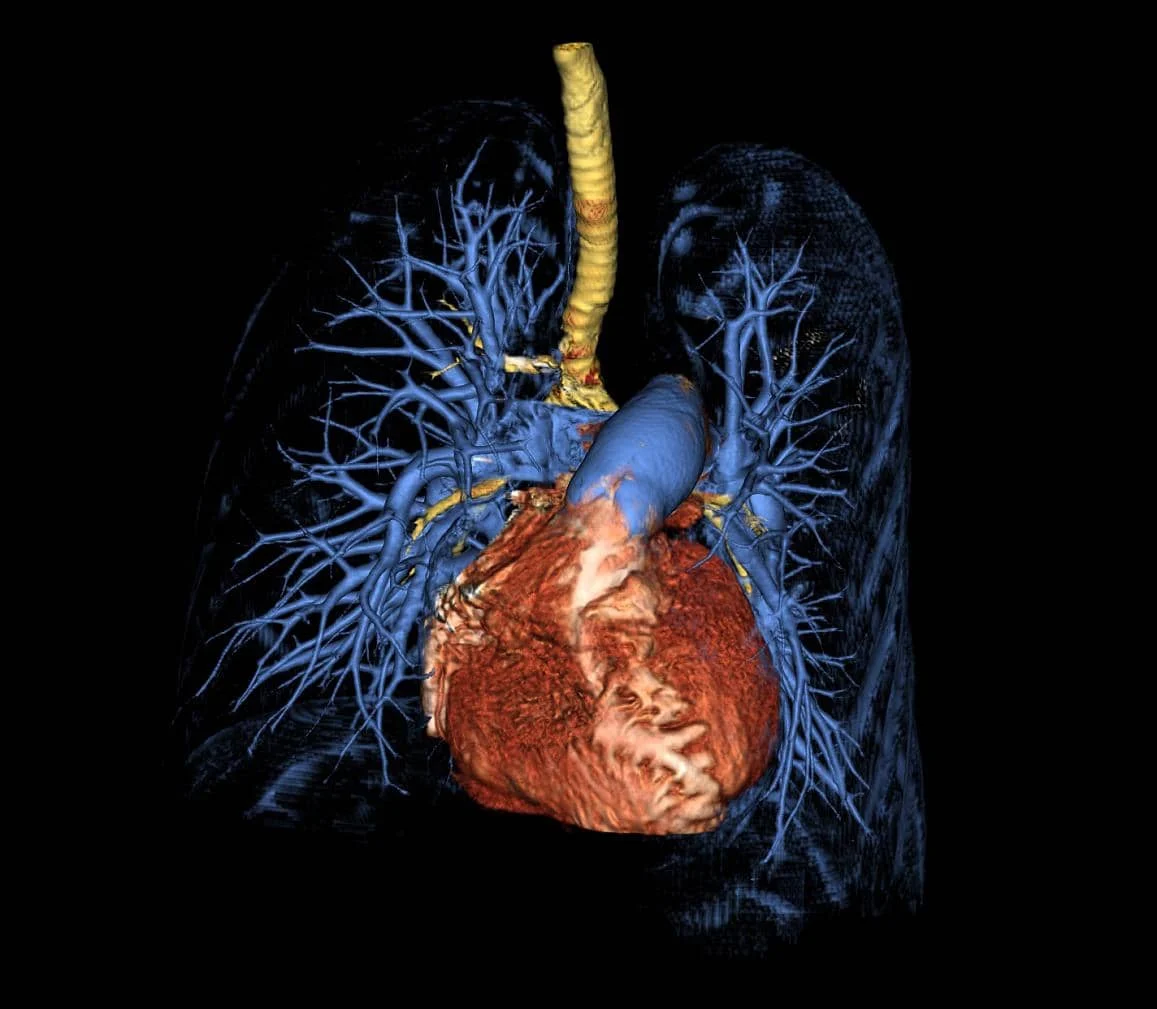
To understand why ralinepag represents a potential leap forward, one must examine its mechanism of action. PAH is characterized by the constriction and remodeling of the pulmonary arteries, which significantly increases the workload on the right side of the heart.
The Prostacyclin Pathway
Ralinepag works by activating prostacyclin receptors located on pulmonary artery endothelial and smooth muscle cells. This activation triggers the conversion of adenosine triphosphate (ATP) to cyclic adenosine monophosphate (cAMP). Elevated intracellular cAMP levels are essential for two reasons:
- Vasodilation: It relaxes the constricted blood vessels, reducing pulmonary vascular resistance.
- Inhibition of Remodeling: It mitigates the proliferative signaling that causes the physical thickening of vessel walls, which is a hallmark of PAH progression.
Consistent Efficacy Across Subgroups
Perhaps the most compelling aspect of the Advance Outcomes data is the consistency of the results. The 55% reduction in clinical worsening was observed regardless of the patient’s underlying disease etiology, baseline exercise capacity, or the specific background therapies they were already receiving. This suggests that ralinepag provides a "therapeutic add-on" benefit that remains potent even in a complex, multi-drug treatment environment.
Safety Profile
In clinical medicine, the effectiveness of a drug is balanced by its tolerability. The study confirmed that the safety profile of ralinepag was consistent with known prostacyclin-related adverse events (such as headache, diarrhea, and nausea), which are generally manageable. Crucially, investigators noted that no new or unexpected safety signals emerged during the course of the study, a significant positive for the drug’s future regulatory review.
Official Responses: Insights from Leadership and Clinical Experts
The reaction from the clinical and corporate community has been one of cautious optimism and high anticipation.
Dr. Vallerie V. McLaughlin, professor of cardiovascular medicine and director of the pulmonary hypertension program at the University of Michigan, who served as the chair of the Advance Outcomes steering committee, noted:
"In Advance Outcomes, ralinepag reduced the risk of clinical worsening, decreased NT-proBNP levels, and improved exercise capacity in lower-risk, heavily pretreated PAH patients. These results underscore the potential benefits of a once-daily prostacyclin receptor agonist in our current treatment armamentarium."
Derek Solum, senior director of product development at United Therapeutics, highlighted the drug’s effectiveness in particularly challenging patient populations:
"The Advance Outcomes study demonstrated that ralinepag was effective across disease etiologies of PAH, including connective tissue diseases such as systemic sclerosis, in which vascular remodeling and endothelial dysfunction can be accelerated."
Martine Rothblatt, chairperson and CEO of United Therapeutics, emphasized the company’s commitment to addressing unmet needs:
"Based on the overwhelmingly positive results of the study, we believe that ralinepag could meaningfully improve the lives of people living with PAH upon FDA approval and redefine the PAH treatment landscape, where significant unmet needs from this devastating disease continue to persist."
Implications: The Future of PAH Management
The results from the Advance Outcomes study suggest a shift in the standard of care for PAH. Currently, patients often progress through various oral therapies before moving to parenteral (injected or infused) prostacyclins, which come with significant quality-of-life challenges.
Redefining the Treatment Paradigm
By offering the potent, receptor-specific benefits of a prostacyclin agonist in a convenient, once-daily oral pill, ralinepag could allow clinicians to escalate treatment earlier and more effectively. If the FDA grants approval, ralinepag could potentially delay or even prevent the need for more invasive therapies, effectively extending the "clinical stability" window for patients.
Regulatory Roadmap
United Therapeutics has stated its intention to submit a New Drug Application (NDA) to the U.S. Food and Drug Administration (FDA) by the second half of 2026. Given the strength of the Phase 3 data and the high degree of unmet medical need in the PAH community, the application will likely be viewed as a high-priority filing.
A Message of Hope for Patients
For those living with pulmonary arterial hypertension, every reduction in the risk of clinical worsening translates to more time with family, increased mobility, and a higher quality of life. While the medical community awaits the formal regulatory review process, the data presented at the ATS conference provides a concrete, data-driven reason for optimism.
As the pharmaceutical industry continues to push the boundaries of cardiovascular medicine, ralinepag stands out as a testament to the power of targeted molecular therapy. Should it secure approval, it will not merely be another drug on the shelf; it will represent a new, more manageable path forward for thousands of patients navigating the complexities of pulmonary arterial hypertension.
Disclaimer: This article is for informational purposes and does not constitute medical advice. Ralinepag is an investigational therapy and has not yet been approved by the FDA for any indication.