











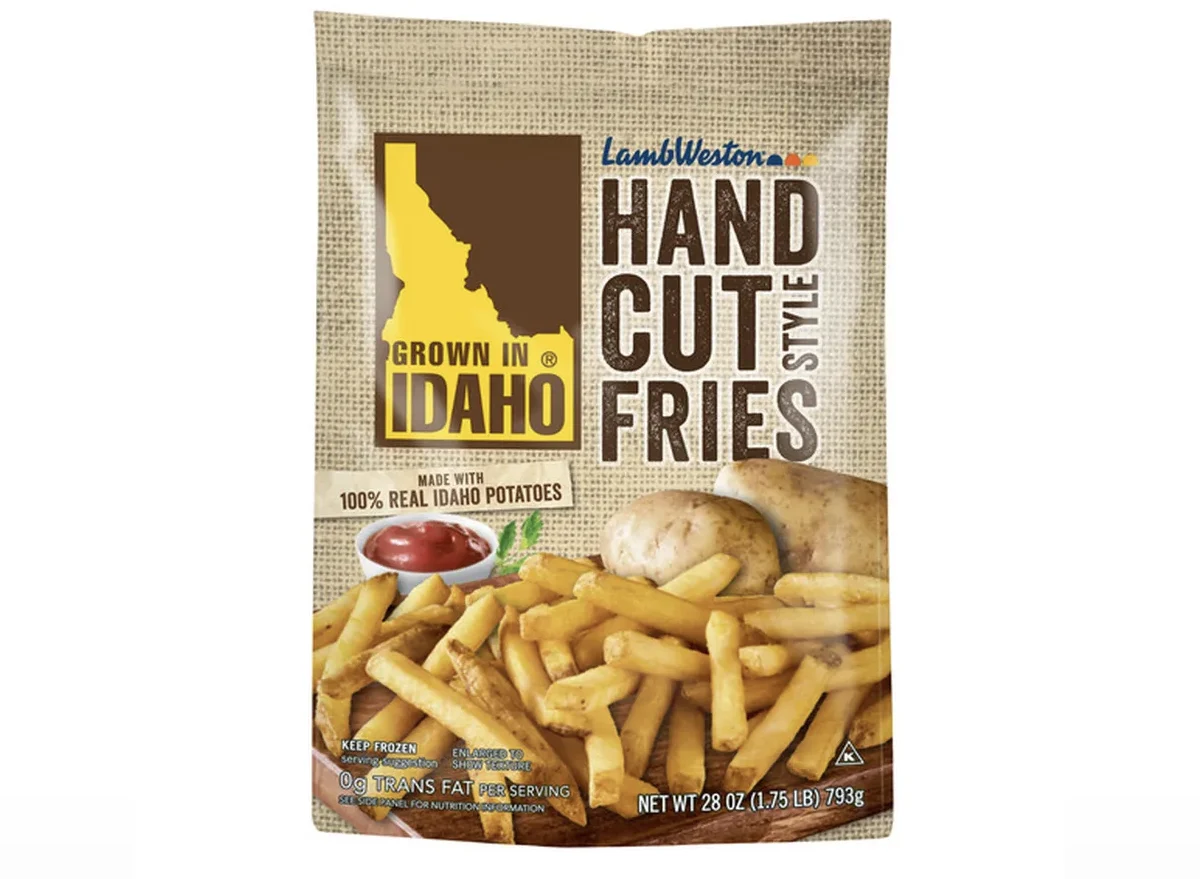
In the high-stakes world of convenience foods, the French fry stands as the ultimate test of culinary engineering. For decades, the consensus among food enthusiasts was that a truly transcendent French fry—one boasting a shattering exterior crunch and a pillowy, steaming interior—was the exclusive domain of commercial deep fryers and specialized kitchen staff. However, a seismic shift is occurring in residential kitchens across the country.
Thanks to the widespread adoption of air frying technology and a more discerning approach to grocery shopping, the "frozen fry" has shed its reputation as a soggy, lackluster afterthought. Today, home cooks are leveraging the collective wisdom of online communities to identify which retail products actually deliver on the promise of "restaurant-quality" results. By moving away from conventional oven-baking and embracing precision heating methods, shoppers are discovering that the secret to the perfect side dish isn’t a professional chef—it’s the right bag from the freezer aisle.
The Science of the "Crispy" Transformation
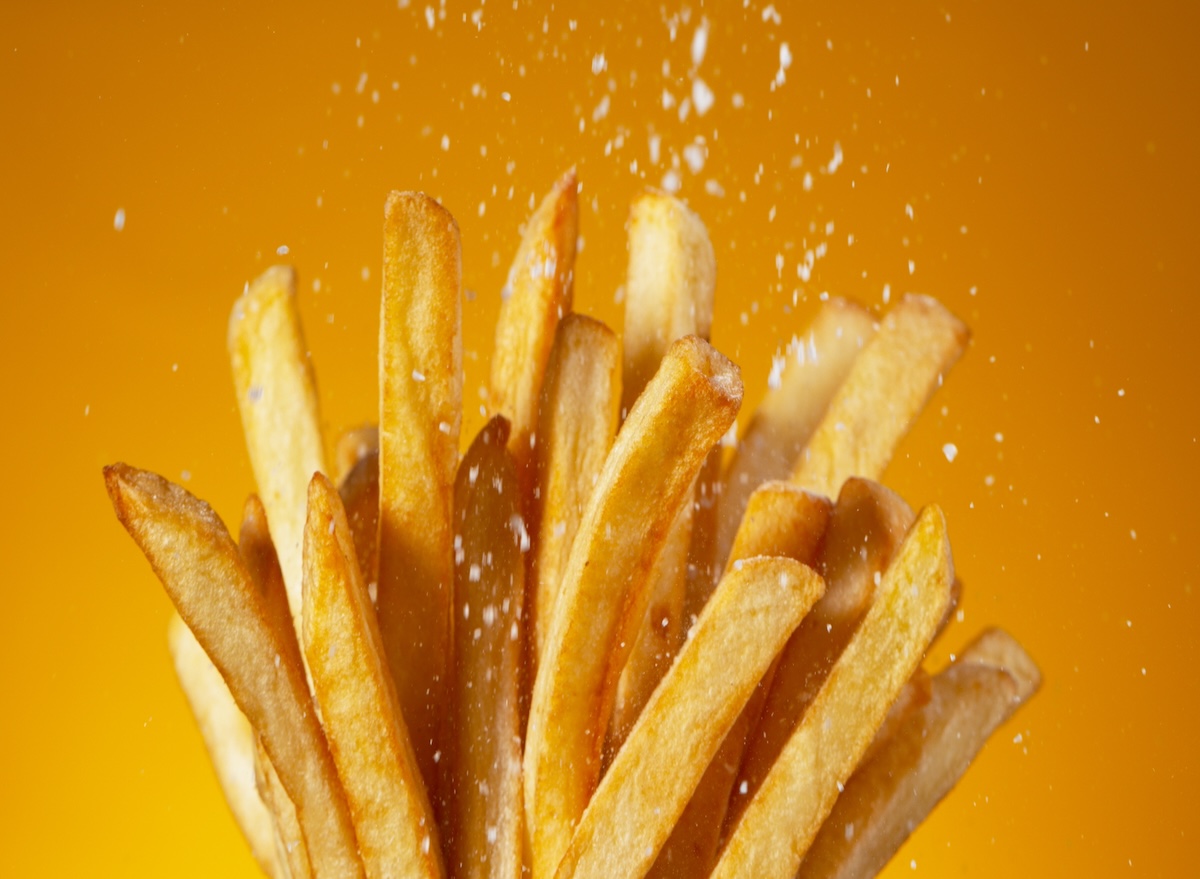
The evolution of the frozen fry is not merely a matter of improved potato sourcing; it is a story of material science. Most premium frozen fries are now pre-fried in industrial settings, coated in thin layers of modified food starches or seasoned batters designed to withstand the freezing process while maintaining structural integrity.
When these products are subjected to the intense, circulating heat of an air fryer, the Maillard reaction—the chemical process responsible for browning and flavor development—occurs with significantly more efficiency than in a standard oven. The result is a reduction in surface moisture and a rapid crisping of the exterior, mimicking the effect of a deep fryer without the necessity of submerging the product in vats of oil. This not only yields a superior texture but often results in a product with a lower overall fat content than traditional takeout versions, making it an appealing compromise for health-conscious consumers.
The Top 7 Frozen Fries Championed by Shoppers
To determine which brands are currently setting the standard, we have synthesized consumer feedback, online trend reports, and long-standing shopper favorites. These seven selections are consistently cited as the gold standard for those looking to replicate the diner or fast-food experience at home.
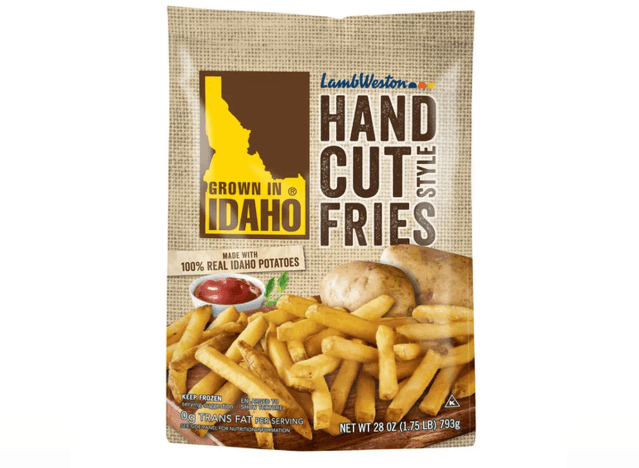
1. Grown in Idaho (Lamb Weston)
Widely considered the industry benchmark, Lamb Weston’s "Grown in Idaho" line has become a fixture of the Reddit culinary community. The secret, according to long-time users, lies in the hand-cut style of the potato, which provides an authentic, rustic mouthfeel that mass-produced uniform strips often lack. Whether you opt for their classic cut or their seasoned variations, the internal fluffiness remains remarkably consistent. Frequent buyers often note that the structural integrity of these fries makes them an ideal candidate for air frying, as they rarely collapse or turn mushy under high heat.
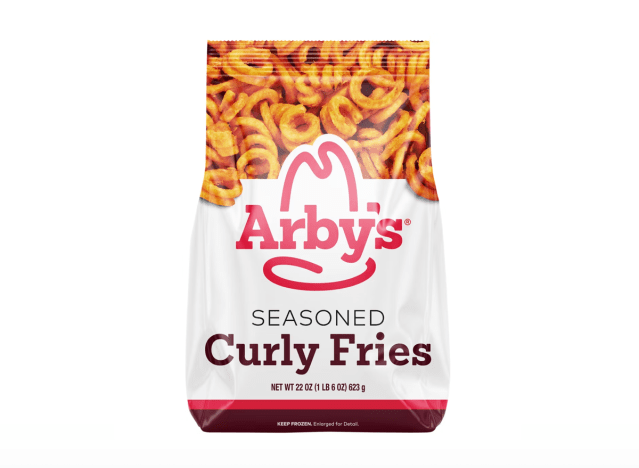
2. Arby’s Seasoned Curly Fries
The "curly fry" is a notoriously difficult texture to master outside of a commercial setting, yet Arby’s has successfully bridged the gap between their drive-thru and the home kitchen. These fries arrive pre-seasoned with a proprietary blend of spices that provides a savory, slightly peppery kick. They are frequently lauded by shoppers for their versatility, serving as the perfect accompaniment to backyard burgers or a standalone snack for guests.
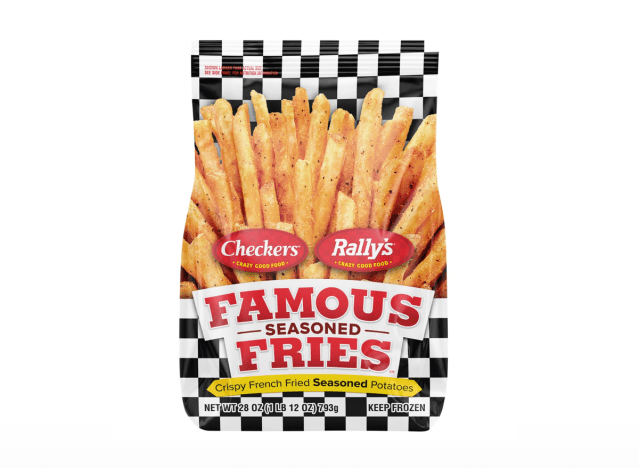
3. Checkers/Rally’s Famous Fries
For many consumers, the defining characteristic of a good fast-food fry is the intensity of the seasoning. Checkers and Rally’s have effectively bottled this experience. Shoppers are remarkably loyal to this brand, with many claiming they refuse to buy any other option after experiencing the "famous" seasoned coating. The texture of these fries is engineered to be exceptionally crispy, and when prepared in an air fryer, they achieve a crunch that rivals any major fast-food chain.
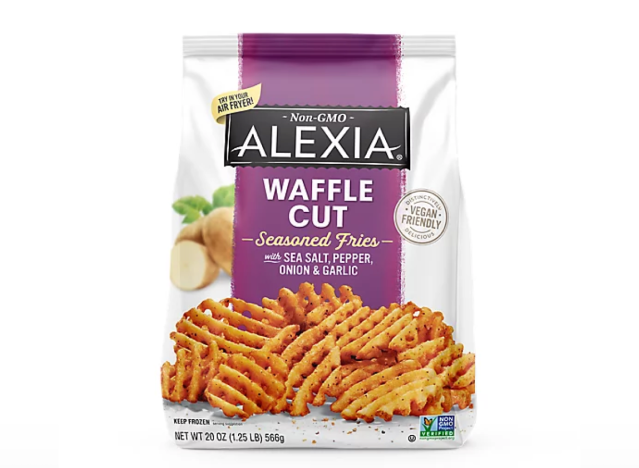
4. Alexia Seasoned Waffle Fries
Alexia has carved out a niche in the premium frozen space, focusing on natural ingredients and distinct cuts. Their waffle fries are particularly beloved for their surface area, which allows for maximum seasoning adhesion. For those who find standard potato fries a bit mundane, the Alexia range—including their sweet potato variations—offers a more gourmet experience. Savvy shoppers suggest that while the regular cut fries may occasionally require a pinch of extra salt, the seasoned waffle and crinkle-cut varieties are perfectly balanced right out of the bag.
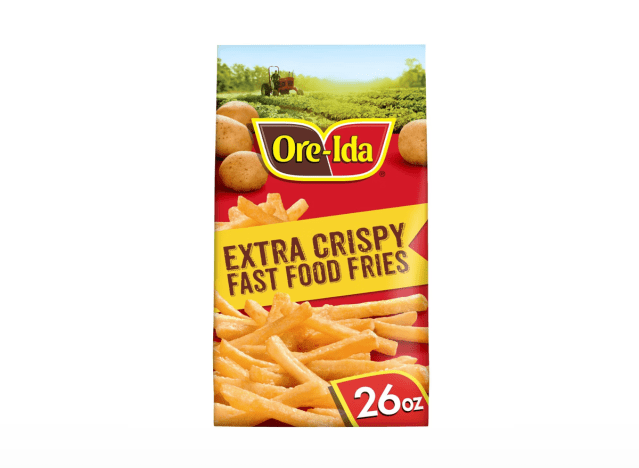
5. Ore-Ida Extra Crispy Fast Food Fries
Ore-Ida remains a staple of the American freezer, but their "Extra Crispy" line represents a direct response to consumer demand for diner-style results. By thinning the cut and adjusting the batter coating, they have created a fry that excels in rapid-heating environments. Users consistently report that the air fryer is the optimal method for this product, allowing it to reach a level of crispness that effectively hides the fact that the meal was prepared in a home kitchen.
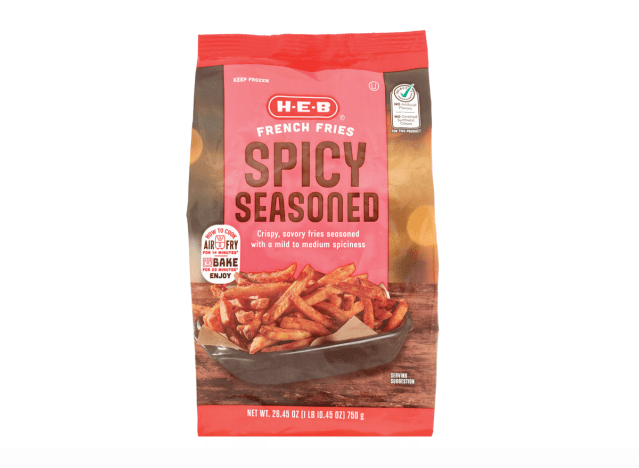
6. H-E-B Spicy Fries
For those residing in regions served by H-E-B, these spicy seasoned fries have achieved a cult-like status. These are not merely "seasoned"—they provide a genuine, palpable heat that appeals to the spicy-food demographic. The batter is thick and substantial, ensuring that the spice profile is distributed evenly across the surface. Many shoppers describe these as the "best they have ever bought," citing the balance between the soft, dense interior of the thicker-cut potato and the bold, spicy exterior.
7. Signature SELECT Extra Crispy
Private-label products have historically been viewed as budget alternatives, but the Signature SELECT Extra Crispy fries available at stores like Safeway have challenged that narrative. These are frequently highlighted in consumer forums as a "hidden gem." They offer an impressive level of crispness that remains stable even when the fries are allowed to sit for a few minutes. While they perform best in an air or oil fryer, they have also earned praise for their reliability in a conventional oven, making them a practical choice for the busy home cook.
Chronology of the Frozen Fry Industry
The history of the frozen potato industry dates back to the mid-20th century, following the invention of the quick-freezing process by Clarence Birdseye. However, it was not until the 1960s and 70s that "french fry" manufacturing became a sophisticated branch of food science.
- 1950s: Initial commercialization of frozen potatoes begins, though early products often suffered from moisture retention issues that resulted in soggy textures.
- 1980s-1990s: The introduction of batter-coated fries revolutionizes the sector, allowing manufacturers to create products that remain crispy even after sitting under heat lamps.
- 2010s: The rise of the home air fryer marks a turning point. Consumers finally possess the hardware necessary to achieve professional-level Maillard reactions in their own kitchens.
- 2020s: Social media and community-driven platforms (like Reddit and TikTok) accelerate the popularity of specific brands, as users share "hacks" for optimal preparation.
Implications for the Modern Consumer
The "frozen fry revolution" signals a broader change in consumer behavior: the desire to reclaim restaurant experiences at a fraction of the cost. As inflation impacts the price of dining out, the ability to produce a high-quality, crave-worthy snack at home is no longer just a matter of convenience—it is an economic necessity for many families.
Furthermore, this trend highlights the power of the "prosumer." Shoppers are no longer passive recipients of manufacturer claims; they are actively testing, comparing, and reporting back to a global community. Brands that prioritize texture and seasoning integrity are winning, while those that offer bland or inconsistent products are being rapidly identified and discarded by the collective digital consciousness.
Ultimately, the takeaway for the home cook is simple: the freezer aisle is no longer a graveyard of low-quality food. It is a curated selection of culinary building blocks. By choosing the right brands—those that have mastered the balance of potato density, coating composition, and spice ratios—and utilizing modern, high-heat cooking methods, the perfect restaurant-style fry is well within reach. The next time you find yourself craving a salty, crispy treat, you may find that the best seat in the house is your own kitchen stool.