










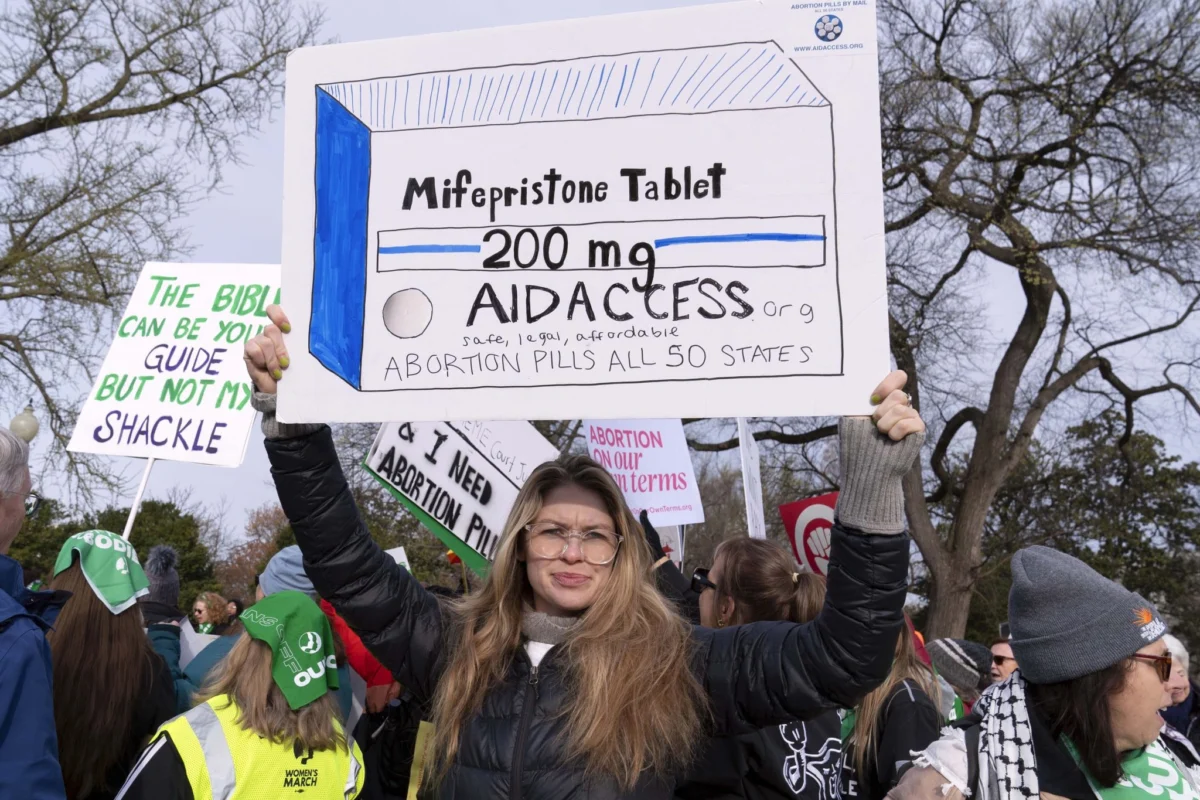
In a pivotal development for reproductive healthcare and digital medicine, the U.S. Supreme Court issued an unsigned order on Thursday, May 14, 2026, granting a stay that maintains nationwide access to mifepristone through telehealth consultations and mail-order pharmacy delivery. This decision temporarily halts a ruling from the 5th U.S. Circuit Court of Appeals, which had sought to reinstate restrictive, pre-pandemic dispensing protocols that would have mandated in-person visits for the drug.
The Supreme Court’s intervention ensures that, for the time being, the status quo remains intact. Patients across the country can continue to access medication abortion via virtual care, a model that has become a cornerstone of reproductive health infrastructure in the years following the 2022 Dobbs v. Jackson Women’s Health Organization decision.
The Core Conflict: Federal Authority vs. State Sovereignty
At the heart of this litigation is a lawsuit brought by the State of Louisiana against the U.S. Food and Drug Administration (FDA). The legal challenge contests the FDA’s 2023 decision to permanently remove in-person dispensing requirements for mifepristone, a policy shift that solidified the legitimacy of telehealth-prescribed medication abortion.
Louisiana’s legal team argues that the FDA’s rules exceed the agency’s statutory authority and improperly conflict with state-level abortion restrictions. Conversely, the FDA—supported by pharmaceutical manufacturers Danco Laboratories and GenBioPro—maintains that its scientific and regulatory mandate to oversee drug safety and distribution pathways should preempt inconsistent state laws.
The implications of this case extend far beyond abortion. Legal scholars suggest that the final ruling could redefine the boundaries of federal preemption regarding federally approved pharmaceuticals, potentially setting a precedent for how much authority individual states have to interfere with interstate telehealth practices.
Chronology of the Legal and Regulatory Battle
The trajectory of this case highlights the rapid evolution of digital health regulations and the subsequent political backlash:
- Pre-2023: The FDA maintained strict "Risk Evaluation and Mitigation Strategy" (REMS) requirements, which mandated that mifepristone be dispensed in person by a certified provider.
- 2023: Following temporary flexibilities introduced during the COVID-19 pandemic, the FDA permanently lifted the in-person requirement, allowing for telehealth consultations and mail-order delivery of the medication.
- May 1, 2026: The 5th U.S. Circuit Court of Appeals ruled in favor of Louisiana, effectively attempting to force a return to the pre-pandemic, in-person dispensing model.
- May 11, 2026: The Supreme Court issued an administrative stay to prevent the immediate implementation of the 5th Circuit’s ruling, providing a brief buffer for legal arguments.
- May 12, 2026: FDA Commissioner Dr. Marty Makary resigned, a move analysts link to mounting pressures regarding agency policy on both tobacco products and abortion-related medication. Kyle Diamantas, J.D., was appointed Acting Commissioner.
- May 14, 2026: The Supreme Court officially granted the stay, keeping telehealth abortion access active while the case continues through the lower court system.
Supporting Data: The Rise of Medication Abortion
The significance of this ruling is underscored by the shifting landscape of abortion care in the United States. According to recent data from the Guttmacher Institute, medication abortion—which utilizes a two-drug regimen, starting with mifepristone—accounted for approximately 63% of all abortions performed in the U.S. in 2023. This represents a significant increase from 53% in 2020.
The normalization of telehealth has been the primary driver of this shift. For patients residing in rural areas, where brick-and-mortar clinics may be hundreds of miles away, or in states with highly restrictive environments, telehealth provides a vital, discreet, and accessible pathway to reproductive care. By removing the travel burden, the digital health model has democratized access to a procedure that, according to the American College of Obstetricians and Gynecologists (ACOG), carries a safety profile comparable to many common, over-the-counter medications.
Dissenting Opinions: The View from the Bench
While the Court’s order was largely procedural, it was not unanimous. Justices Samuel Alito and Clarence Thomas dissented, expressing significant concerns over the trajectory of federal abortion policy.
In a pointed written dissent, Justice Alito focused on the erosion of state-level enforcement power due to "shield laws." These laws, enacted by states such as New York, Illinois, and Arizona, are designed to protect clinicians who provide telehealth abortion services to patients in states where the procedure is restricted. Alito noted:
"One might think that Louisiana could stop or impede this out-of-state interference in its law enforcement by bringing civil actions or criminal charges against the participants in this scheme. But States have effectively blocked these efforts by enacting so-called ‘shield laws,’ which prevent Louisiana from visiting any adverse legal consequences on the perpetrators."
Alito’s dissent underscores the intensifying "jurisdictional tug-of-war" between states that seek to ban abortion and those that have established themselves as sanctuaries for reproductive digital health.
Institutional Turmoil at the FDA
The legal uncertainty is occurring simultaneously with a leadership crisis at the FDA. The resignation of Dr. Marty Makary has left a void at the top of the agency during one of the most litigious periods in its history. Reports indicate that the administration had been pressuring the FDA to expedite approvals for flavored e-cigarettes, while anti-abortion groups had been fiercely lobbying against the agency’s recent moves to authorize a second generic version of mifepristone.
Acting Commissioner Kyle Diamantas now faces the monumental task of defending the agency’s scientific integrity in federal court while navigating a polarized political climate. The FDA is currently under pressure to conduct a new review of its REMS protocols—a move requested by some conservative lawmakers who cite "safety concerns," though mainstream medical organizations continue to emphasize the medication’s established safety record.
Implications for the Digital Health Sector
For leaders in the digital health sector, this case is being watched with apprehension. The outcome will likely determine the viability of "interstate telehealth" as a business model. If the courts eventually rule that states can override federal FDA distribution rules, the landscape for dozens of companies providing everything from mental health medication to reproductive care could shift overnight.
Key implications include:
- Interstate Licensure: The case tests whether state medical boards can punish clinicians for practicing across state lines if the medication in question is regulated at the federal level.
- Pharmacy Dispensing: The ruling will determine if pharmacies can continue to operate as centralized distribution hubs for federally approved drugs, regardless of the patient’s physical location.
- Preemption Authority: The broader legal question is whether the FDA’s drug approval process serves as a "floor" or a "ceiling" for state regulation. If the Supreme Court sides with the challengers in the future, it could empower states to regulate or restrict access to any medication they deem "incompatible" with state policy.
The Path Ahead: What to Expect
While the Supreme Court’s May 14 order is a victory for proponents of abortion access, it is fundamentally a temporary measure. The underlying litigation in the Louisiana case is expected to wind its way through the lower courts for months, if not years.
Legal analysts expect that the case will eventually return to the Supreme Court for a full merits review. Until then, the digital health industry remains in a state of "strategic holding," with many companies expanding their telehealth offerings while simultaneously bracing for a potentially restrictive pivot in national policy.
For now, the legal system has affirmed that the current regulatory framework—which trusts the FDA to determine the safety and distribution channels of medication—remains the governing law of the land. As the 2026 election cycle approaches, the battle over mifepristone is poised to remain a defining issue in the intersections of medicine, law, and politics.