











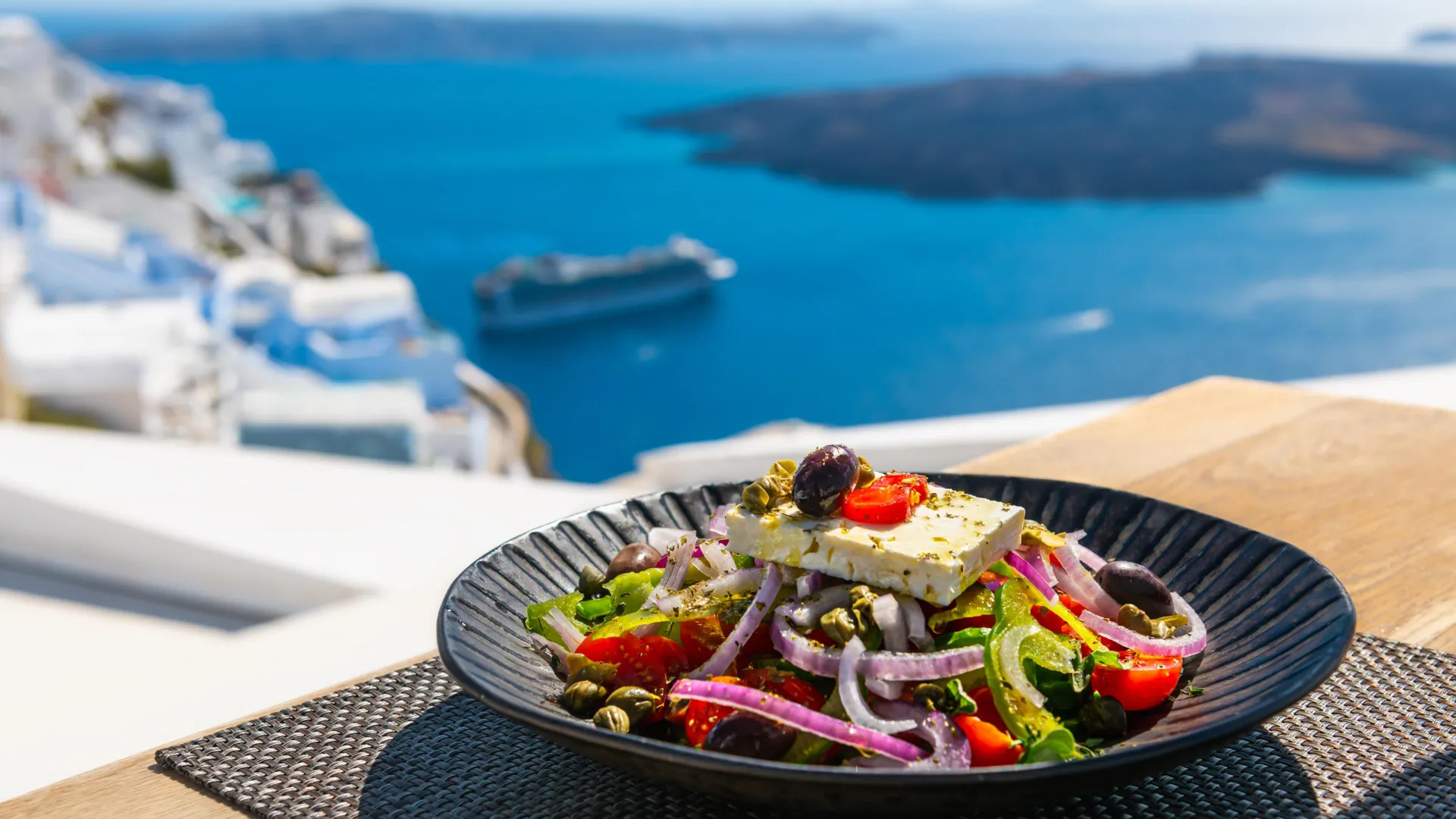
The Mediterranean diet has long been heralded as the "gold standard" of nutrition, celebrated for its heart-healthy fats, abundance of plant-based whole foods, and association with longevity. However, a landmark clinical trial conducted in Spain suggests that the traditional dietary pattern is not merely a passive prescription for health—it is a powerful tool that, when paired with specific, structured lifestyle modifications, can serve as a potent prophylactic against one of the 21st century’s most pervasive health crises: type 2 diabetes.
The PREDIMED-Plus trial, the largest nutrition study ever conducted in Europe, has unveiled findings that could reshape how primary care physicians approach patients at risk for metabolic disorders. By combining the Mediterranean diet with a modest calorie deficit, consistent physical activity, and professional weight-loss support, researchers achieved a remarkable 31% reduction in the incidence of type 2 diabetes among high-risk adults.
The Core Findings: A Blueprint for Prevention
The PREDIMED-Plus study was a six-year longitudinal investigation involving 4,746 participants aged 55 to 75. All subjects entered the study with overweight or obesity and metabolic syndrome, yet were free from overt diabetes or cardiovascular disease.
The cohort was divided into two distinct groups. The control group adhered to a traditional Mediterranean diet without specific instructions regarding caloric restriction or exercise. The intervention group, conversely, followed an "enhanced" protocol: they consumed 600 fewer calories per day, engaged in regular, moderate-to-vigorous physical activity—such as brisk walking and strength training—and received consistent, professional guidance to ensure adherence.
The results were statistically significant and clinically transformative. Beyond the 31% reduction in diabetes incidence, the intervention group saw superior body composition changes. Participants in the enhanced group lost an average of 3.3 kg and reduced their waist circumference by 3.6 cm, compared to minimal changes in the control group. These findings, published in the Annals of Internal Medicine, suggest that the synergy between dietary quality and energy balance creates a metabolic environment that effectively shields the body from the progression of insulin resistance.
A Chronology of Scientific Rigor
The PREDIMED-Plus initiative is not an overnight discovery; it is the culmination of over a decade of intensive, multi-institutional research. The project’s timeline highlights the scale of commitment required to produce high-level public health evidence:
- 2003–2010: The foundational PREDIMED study is conducted, proving that a Mediterranean diet supplemented with extra virgin olive oil or nuts reduces cardiovascular disease risk by 30%.
- 2013: Following the success of its predecessor, the University of Navarra receives an Advanced Grant from the European Research Council (ERC) worth over €2 million to launch the PREDIMED-Plus trial.
- 2014–2016: The study expands significantly as additional institutions join the consortium, bringing total funding to over €15 million. The project integrates a vast network of 22 Spanish universities, hospitals, and research centers.
- 2014–2020: The active intervention phase. Thousands of participants are monitored across more than 100 primary care centers within Spain’s National Health System.
- 2024–2026: Data synthesis and publication. The primary diabetes findings are released, followed by deeper dives into body composition, cardiac biomarkers, and the role of specific fat quality.
Supporting Data: Beyond the Scale
The strength of the PREDIMED-Plus study lies in its multi-dimensional approach to health. Recent analyses have moved beyond simple diabetes prevention to examine the broader physiological benefits of this lifestyle:
Body Composition and Muscle Health
A study published in JAMA Network Open revealed that the intervention did not merely cause weight loss; it improved the quality of that loss. Participants reduced total and visceral fat while successfully slowing the age-related loss of lean muscle mass—a common concern for older adults that can lead to frailty and metabolic decline.
Cardiovascular Stress Markers
A 2026 study in BMC Cardiovascular Disorders explored the relationship between sedentary time and heart health. The researchers found that replacing time spent sitting with physical activity resulted in favorable changes to high-sensitivity troponin T, a protein that acts as a biomarker for heart stress. This confirms that the PREDIMED-Plus approach provides a "cardioprotective buffer" that works in tandem with its anti-diabetic effects.
The Importance of Fat Quality
Further analysis of the original PREDIMED data continues to influence current recommendations. It is no longer enough to simply "eat healthy." Researchers found that the quality of fat—specifically, high cumulative intake of extra virgin olive oil—was linked to better outcomes than the consumption of generic or lower-grade olive oils. This underscores the necessity of choosing nutrient-dense, high-quality fats to maximize metabolic benefits.
Official Responses and Expert Perspectives
The research has been met with enthusiasm from the global medical community, though experts caution that "translation" into real-world policy is the next major hurdle.
Professor Miguel Ángel Martínez-González of the University of Navarra and Harvard University, a principal investigator of the study, emphasized the clinical weight of these findings. "Diabetes is the first solid clinical outcome for which we have shown—using the strongest available evidence—that the Mediterranean diet with calorie reduction, physical activity, and weight loss is a highly effective preventive tool," he stated. He expressed hope that these results would be applied at scale to prevent thousands of new diagnoses annually.
Dr. Miguel Ruiz-Canela, lead author of the study, highlighted the sustainability of the program. "It is a tasty, sustainable, and culturally accepted approach that offers a practical and effective way to prevent type 2 diabetes—a global disease that is, to a large extent, avoidable."
However, in an accompanying editorial in the Annals of Internal Medicine, experts Sharon J. Herring and Gina L. Tripicchio offered a grounded perspective. While they lauded the clinical efficacy of the PREDIMED-Plus model, they warned that individual behavior change is rarely enough in environments that discourage healthy living. They pointed to structural barriers—such as "food deserts," urban design that makes walking dangerous or difficult, and the high cost of fresh, whole foods—as major obstacles for the United States and other non-Mediterranean nations.
Global Implications: A Path Forward
The scale of the crisis is daunting. The International Diabetes Federation estimates that over 530 million people worldwide are living with diabetes. In Spain alone, 4.7 million adults suffer from the condition, while in the United States, the number is approximately 38.5 million, accompanied by some of the highest per-patient healthcare costs in the world.
The Policy Shift
The success of PREDIMED-Plus challenges the modern medical reliance on pharmacological intervention for obesity and diabetes. While GLP-1 agonists and other weight-loss medications currently dominate the public conversation, the PREDIMED-Plus data serves as a vital reminder that sustained, systemic lifestyle changes are not only effective but offer a comprehensive range of health benefits that medications cannot replicate.
Practical Application for Primary Care
For the primary care provider, the takeaway is clear: the most effective prescription for a patient at risk of diabetes is not a "quick fix" or an extreme diet. It is a multi-component, supported lifestyle plan that is culturally grounded and long-term in focus. By providing professional support to help patients navigate calorie reduction and activity, doctors can turn the tide on a disease that is, for many, preventable.
As the PREDIMED-Plus project concludes its primary phase, its legacy is one of optimism. It has provided the most robust evidence to date that our daily choices—what we eat, how much we move, and how we support one another in these habits—are the most powerful medicine we have. The Mediterranean diet is no longer just a trend; it is a proven, evidence-based intervention capable of altering the trajectory of global health, one plate and one walk at a time.