










In a significant stride toward refining the treatment of complex cardiovascular conditions, Boston Scientific has announced compelling data from its FRACTURE clinical trial. The study, which evaluated the Seismiq 4CE coronary intravascular lithotripsy (IVL) system, has yielded positive outcomes, paving the way for the company to pursue regulatory submissions. For the millions of patients suffering from severely calcified coronary artery disease (CAD), this technology represents a sophisticated evolution in the ability to restore arterial health.
The FRACTURE trial results serve as the clinical bedrock for Boston Scientific’s strategy to expand its portfolio in the highly competitive and high-growth field of interventional cardiology. By successfully demonstrating safety and efficacy in patients with challenging, heavily calcified lesions, the Seismiq system positions itself as a critical tool for interventionalists seeking to optimize outcomes in percutaneous coronary intervention (PCI).
Main Facts: The Seismiq 4CE Innovation
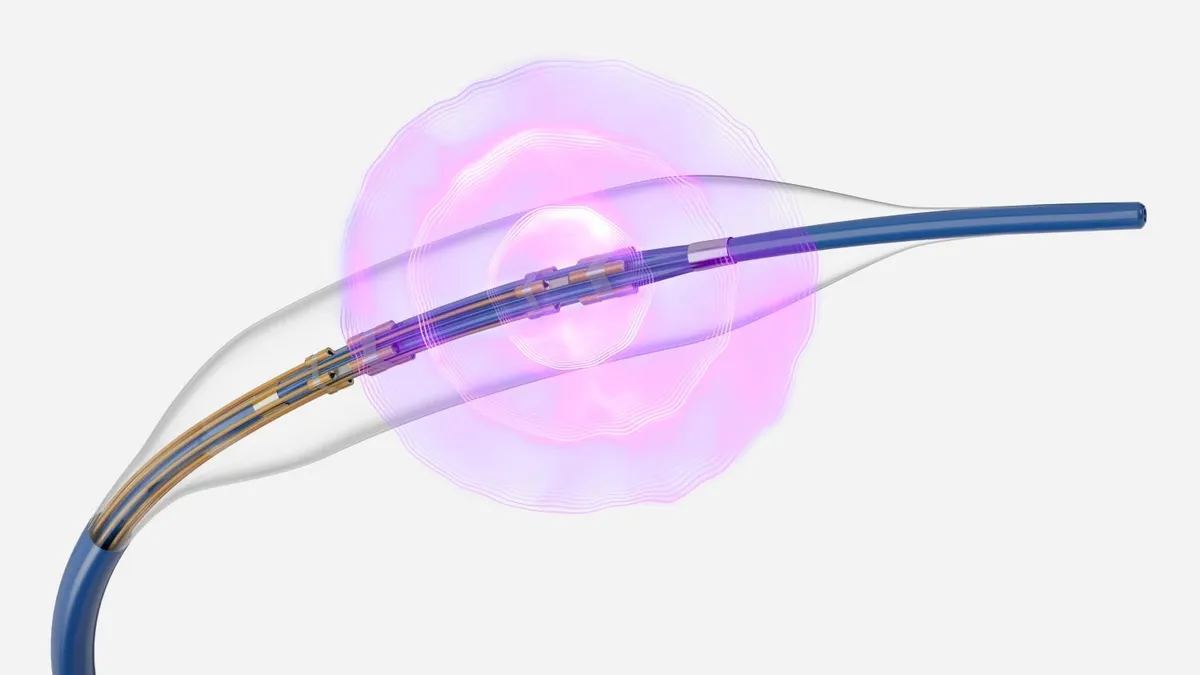
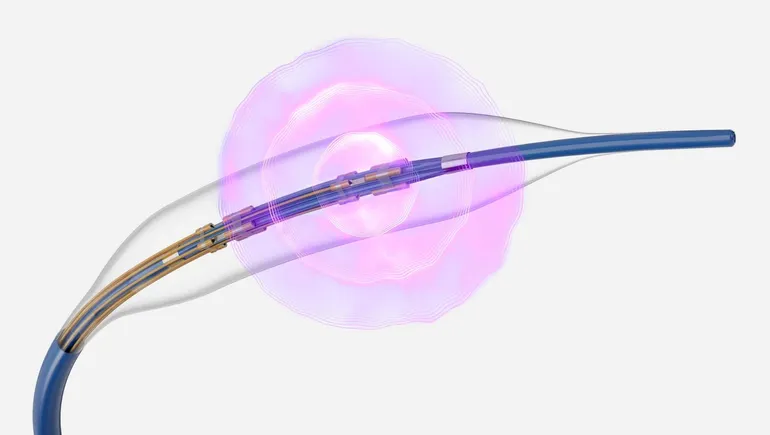
At the heart of this development is the Seismiq 4CE, an advanced catheter-based device designed to address one of the most stubborn obstacles in cardiology: arterial calcification.
Calcification—the buildup of hardened calcium deposits in the arterial walls—acts as a barrier to standard stenting procedures. Hardened vessels are difficult to dilate, often preventing stents from fully expanding, which increases the risk of restenosis, stent thrombosis, and other long-term complications.
The Seismiq 4CE technology utilizes a specialized mechanism:
- Acoustic Pressure Waves: The device deploys a balloon catheter into the artery. Once in position, it utilizes laser energy to generate acoustic pressure waves.
- Controlled Fracture: These waves travel through the vessel wall to fracture the hardened calcium deposits from within, without causing damage to the soft tissue of the arterial wall.
- Stent Preparation: By effectively "cracking" the calcium, the vessel becomes more compliant, allowing for optimal stent expansion and proper blood flow restoration.
- Console Compatibility: A key commercial advantage is that the coronary catheter is compatible with the existing Seismiq IVL peripheral console, which secured FDA clearance earlier in 2025. This interoperability offers hospital systems a streamlined approach to inventory and training.
Chronology: From Concept to Clinical Milestone
The trajectory of the Seismiq technology is a testament to Boston Scientific’s long-term commitment to internal innovation and strategic M&A.
2019: The Foundation
The concept for the Bolt IVL system—the precursor to what is now the Seismiq brand—was established with the help of Boston Scientific. The company recognized the potential of this disruptive technology early on, securing an equity stake of approximately 26% in Bolt Medical. This allowed Boston Scientific to maintain a close watch on the development of the technology while minimizing initial capital risk.
2025: Strategic Consolidation
By 2025, the clinical potential of the Bolt IVL system became clear, prompting Boston Scientific to move for full ownership. In a landmark deal worth up to $664 million, the medical device giant acquired the remaining 74% of Bolt Medical, fully integrating the Seismiq technology into its cardiovascular portfolio.
2025: Peripheral Expansion
Following the acquisition, the momentum continued as the Seismiq IVL peripheral catheter received FDA clearance, proving the technology’s efficacy in treating severely calcified peripheral artery disease. This clearance served as a vital bridge, establishing the safety profile of the laser-lithotripsy mechanism before its application in the more delicate coronary environment.
2026: FRACTURE Trial Success
The publication of the FRACTURE trial results marks the latest chapter. With 420 patients enrolled across 46 clinical sites in the United States and Europe, the study has provided the high-quality evidence required to justify imminent regulatory filings for coronary use.
Supporting Data: The FRACTURE Trial
The FRACTURE trial was a single-arm, multicenter study focused on patients with severe coronary artery disease who presented with complex, calcified lesions. The study’s primary objective was to confirm that the Seismiq 4CE could be used safely and effectively to prepare lesions for stenting.
The results are highly encouraging for both the company and the interventional cardiology community:
- Procedural Success: Stents were successfully delivered in 100% of the patients treated, a critical metric in complex PCI where lesion rigidity often prevents successful stent delivery.
- Safety Profile: There were zero deaths reported within the initial follow-up period.
- Low Complication Rates: Only one patient underwent target vessel revascularization (TVR) at the 30-day mark, demonstrating a robust safety profile for a cohort of patients typically considered "high-risk."
- Long-term Outlook: While the 30-day data is positive, the study is ongoing. Patients are being tracked for two years, providing a longitudinal view of how the treated vessels maintain patency and how patients recover over the long term.
Official Responses and Clinical Perspective
Dr. Margaret McEntegart, the co-principal investigator of the FRACTURE trial, highlighted the significance of these findings in a recent statement. She emphasized that as the prevalence of CAD continues to rise, so too does the need for specialized tools that can handle "previously untreated" and complex lesions.
"As the prevalence of coronary artery disease and adoption of IVL therapy to address it continue to grow rapidly, data from this important trial will help advance our understanding of treatment for severely diseased, previously untreated coronary lesions and could help broaden the scope of coronary IVL treatment options over time," said Dr. McEntegart.

The medical community has reacted with cautious optimism. Interventionalists have long sought alternatives to rotational atherectomy (which uses a diamond-tipped burr to sand down calcium) and orbital atherectomy. The Seismiq system, by utilizing acoustic energy, is perceived as a potentially less invasive and more predictable method for modifying calcium.
Implications: A New Standard for Complex PCI
The implications of this technology extend far beyond a single clinical trial.
1. Market Dynamics and Competition
The field of coronary IVL has become one of the most hotly contested spaces in medtech. With Boston Scientific’s full integration of the Seismiq platform, they are directly challenging existing market leaders. By leveraging their global distribution network and the interoperability of their peripheral and coronary consoles, Boston Scientific is well-positioned to capture significant market share.
2. Patient Outcomes
Nearly one-third of all patients undergoing PCI for coronary artery disease present with moderate to severe calcification. These patients are traditionally at higher risk for procedural failure. If the Seismiq system becomes a standard-of-care tool, it could dramatically reduce the rate of sub-optimal stent expansion, thereby lowering the long-term risk of adverse cardiac events for a vast patient population.
3. Regulatory and Economic Hurdles
While the trial data is promising, the regulatory path forward involves rigorous review by the FDA and international regulatory bodies. Boston Scientific must demonstrate that the long-term benefits of Seismiq outweigh the costs of the device compared to traditional atherectomy tools. Furthermore, hospital administrators will be evaluating the "value proposition"—specifically, whether the efficiency gained in the cath lab through easier stent delivery offsets the price of the disposable catheters.
4. The Future of Calcification Management
The success of the FRACTURE trial suggests that the industry is moving away from "one-size-fits-all" stenting. Instead, we are entering an era of "lesion preparation" where the choice of tool is dictated by the specific morphology of the patient’s arterial disease. As Boston Scientific continues to collect data through the two-year follow-up period, the medical community will gain a better understanding of how IVL affects long-term vessel healing, potentially leading to even more refined interventional protocols.
In conclusion, Boston Scientific’s announcement is more than just a corporate update; it is a signal of shifting tides in cardiovascular intervention. By combining the precision of laser-generated acoustic waves with a robust, scalable platform, the company is betting that it can solve one of the most persistent problems in heart health, offering renewed hope for patients facing the complexities of severe coronary calcification. As regulatory reviews proceed, the industry will watch closely to see how quickly this technology moves from the clinical trial setting to widespread, global adoption.