











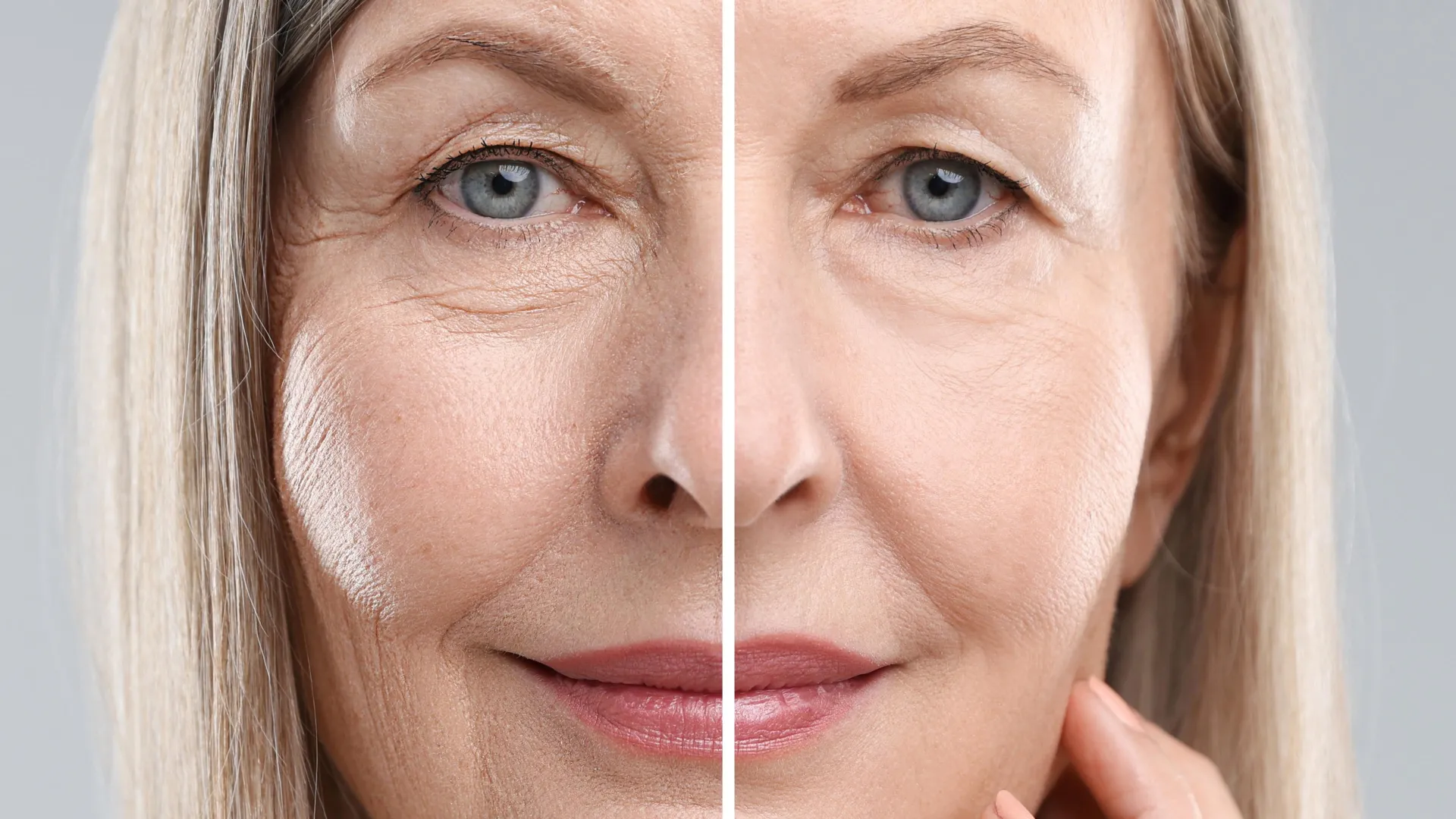
In a compelling development for the field of longevity science, researchers from the University of Sydney have unveiled findings that suggest the aging process may be more malleable than previously believed. According to a new study published in the peer-reviewed journal Aging Cell, individuals aged 65 to 75 who modified their intake of dietary fats and animal-based proteins demonstrated measurable signs of becoming "biologically younger" after just four weeks.
The study, which leveraged data from the University’s prestigious Charles Perkins Centre, suggests that the human body retains a significant capacity for physiological repair and optimization, even in later life. While the research stops short of claiming a total reversal of aging, it provides a promising roadmap for how targeted nutritional interventions might mitigate the accumulation of cellular damage that defines the aging process.
Understanding the Difference: Chronological vs. Biological Age
To appreciate the gravity of these findings, one must distinguish between the two ways humans measure age. Chronological age is a simple tally—a count of the years, months, and days one has spent on Earth. It is a linear, immutable metric. Biological age, conversely, is a dynamic reflection of physiological health. It quantifies how effectively an individual’s cells, tissues, and organs are performing, accounting for the cumulative impact of lifestyle choices, genetic predispositions, and environmental stressors.
Biological aging is not a uniform process. Two people with the same chronological age can possess vastly different "biological clocks." Factors such as oxidative stress, chronic inflammation, and metabolic efficiency play pivotal roles in determining how quickly a body ages. By utilizing advanced biomarker analysis—including cholesterol levels, insulin sensitivity, and markers of inflammation like C-reactive protein (CRP)—scientists can derive a biological age score. This score is increasingly viewed by the medical community as a more accurate predictor of long-term health span and mortality risk than a birthday ever could be.
The Experimental Framework: A Four-Week Nutritional Intervention
The study, led by Dr. Caitlin Andrews from the University of Sydney’s School of Life and Environmental Sciences, was designed to test whether short-term dietary modifications could shift these biomarkers. The researchers recruited 104 participants between the ages of 65 and 75. To ensure the integrity of the data, the cohort was carefully screened: all participants were non-smokers, had a BMI between 20 and 35, and lacked serious underlying health conditions such as type-2 diabetes, cancer, or advanced renal and liver diseases.
The participants were randomly assigned to one of four specific dietary protocols, each standardized to ensure that 14 percent of total caloric energy was derived from protein. The variables were the source of that protein (animal-based vs. plant-based) and the ratio of fat to carbohydrates.
The Four Dietary Arms:
- Omnivorous High-Fat (OHF): A diet mirroring typical Western patterns, with half of the protein from animal sources and a higher fat, lower carbohydrate ratio.
- Omnivorous High-Carbohydrate (OHC): Half of the protein from animal sources, but with a higher carbohydrate, lower fat ratio.
- Semi-Vegetarian High-Fat (VHF): 70 percent of protein derived from plant sources, with a high-fat, low-carbohydrate profile.
- Semi-Vegetarian High-Carbohydrate (VHC): 70 percent of protein derived from plant sources, with a high-carbohydrate, low-fat profile.
For 28 days, participants followed these regimes, allowing the researchers to observe how metabolic systems responded to the shift in macronutrient composition.
Results: The Power of Carbohydrates and Plant-Based Protein
The findings were both striking and nuanced. The group assigned to the Omnivorous High-Fat (OHF) diet—which most closely resembled the participants’ pre-study habits—showed no statistically significant change in their biological age markers. This suggests that continuing with a "standard" diet provides no restorative benefit to the aging body.
Conversely, the other three groups—the OHC, VHF, and VHC—all showed measurable reductions in their biological age scores. The most robust improvements were recorded in the OHC group (Omnivorous High-Carbohydrate). This group consumed a diet composed of 14 percent protein, 28–29 percent fat, and 53 percent carbohydrates.
These results indicate that the simple act of reducing dietary fat and increasing the proportion of complex carbohydrates, even when some animal protein remains in the diet, can trigger a positive biological shift. The data suggests that the body responds with surprising speed to nutritional signals, potentially recalibrating metabolic markers within a single month.
Official Perspectives: Caution Meets Optimism
While the study has generated significant excitement, the researchers are careful to maintain a measured, scientific tone. Dr. Caitlin Andrews and her colleague, Associate Professor Alistair Senior, emphasize that these results, while encouraging, are a starting point rather than a definitive cure for aging.
"It is too soon to say definitively that specific changes to diet will extend your life," Dr. Andrews noted. "But this research offers an early indication of the potential benefits of dietary changes later in life."
Associate Professor Senior highlighted the necessity of longitudinal research to understand the clinical significance of these shifts. "Longer-term dietary changes are needed to assess whether these shifts alter the actual risk of age-related diseases," Senior stated. "We need to determine if these changes are sustained over years or if the body eventually resets to a baseline state."
The researchers underscored that the biomarkers analyzed are indicators of health, but they are not the same as the absence of disease. Future iterations of this study will need to observe whether these biological age "reductions" translate into a lower incidence of cardiovascular events, cognitive decline, or metabolic syndrome over the long term.
The Broader Implications for Geriatric Health
The potential implications of these findings are profound. If biological age can be lowered through dietary intervention in the 65–75 age bracket, it suggests that the "age-related decline" often accepted as inevitable may, in fact, be partially reversible or at least manageable.
1. Shift in Public Health Policy
Current dietary guidelines for older adults often focus on preventing malnutrition. This study suggests that the composition of those calories—specifically the balance between fats and carbohydrates and the source of protein—is just as critical as the caloric intake itself. Public health initiatives could eventually shift toward "biological age optimization" programs rather than just generalized nutritional advice.
2. Personalized Nutrition
The fact that different groups responded differently to various macronutrient ratios highlights the necessity for personalized nutrition. As researchers further analyze the data, they may be able to identify specific genetic or metabolic signatures that dictate which diet is most effective for a given individual.
3. Economic Impact
Aging populations place an immense strain on global healthcare systems. If simple, cost-effective dietary changes can slow the accumulation of biomarkers associated with disease, the economic impact could be transformative. By extending the "health span"—the number of years lived in good health—societies could reduce the burden of chronic, age-related illnesses that currently consume a vast majority of healthcare expenditure.
Future Research: Where Do We Go From Here?
The University of Sydney team is already planning the next phase of their investigation. The current study, while highly controlled, was limited by its four-week duration. Future research will likely focus on:
- Sustained Effects: Can these biological age improvements be maintained over six months, a year, or longer?
- Disease Outcomes: Does a lower biological age score directly correlate with a lower incidence of age-related conditions like hypertension or dementia?
- Diverse Cohorts: The study utilized a specific demographic. Further research must determine if these findings hold true across different ethnicities, socioeconomic backgrounds, and varying levels of baseline health.
As the global population continues to age, the quest for "health span extension" has moved from the realm of speculative science fiction to the forefront of clinical nutrition. The Sydney study provides a vital piece of evidence: that even in our later years, the choices we make at the dinner table remain one of the most powerful tools we have to influence our biological destiny. While we cannot stop the clock from ticking, we may well have the ability to ensure that the time it measures is spent in a body that functions with the vigor and resilience of youth.