











Obstructive Sleep Apnea (OSA) affects millions of adults, characterized by repeated pauses in breathing during sleep caused by an obstructed airway. For many, excess weight—particularly fat tissue stored around the neck—is the primary culprit, as it narrows the throat and increases the risk of airway collapse. In recent years, a new class of drugs known as glucagon-like peptide-1 receptor agonists (GLP-1s), such as Ozempic, Wegovy, and Zepbound, has revolutionized the approach to obesity management. But for those suffering from the dual burden of obesity and sleep apnea, the question of whether insurance will cover these high-cost medications remains a complex, often frustrating landscape.
The Science: How GLP-1s Target the Root Cause of OSA
Obstructive sleep apnea is not merely a sleep disorder; it is a systemic health condition often linked to metabolic dysfunction. Research indicates that approximately 31% of individuals with OSA live with obesity, and an additional 44% are considered overweight.
GLP-1 receptor agonists work by mimicking a hormone that targets areas of the brain involved in appetite regulation. By promoting feelings of satiety and slowing gastric emptying, these medications facilitate significant weight loss. Because weight loss—specifically the reduction of fat deposits in the pharyngeal area—directly improves airway patency, the clinical correlation between GLP-1 usage and improved sleep apnea outcomes is strong. Studies have shown that a 20% decrease in Body Mass Index (BMI) can result in a 57% reduction in sleep apnea symptoms, including a lower Apnea-Hypopnea Index (AHI).
Chronology of Clinical Recognition and FDA Approval
The medical community’s understanding of the relationship between weight loss drugs and sleep apnea has evolved rapidly:
- Initial Findings: Early clinical trials for GLP-1s focused primarily on glycemic control for Type 2 diabetes. However, researchers quickly noted significant secondary benefits, including weight loss and improved cardiovascular markers.
- The Shift in Focus: As the obesity epidemic grew, clinicians began exploring GLP-1s specifically for weight management. Real-world data suggested that patients with comorbid OSA were reporting better sleep quality and reduced daytime fatigue while on these medications.
- The 2024 Milestone: A pivotal moment occurred in 2024 when the U.S. Food and Drug Administration (FDA) formally approved tirzepatide (Zepbound) for the treatment of moderate to severe obstructive sleep apnea in adults with obesity. This decision was backed by large-scale clinical trials that demonstrated a statistically significant reduction in AHI scores, marking the first time a weight-loss medication has been specifically indicated for the treatment of sleep apnea.
Supporting Data: Comparing Efficacy Across Medications
While the market is flooded with GLP-1 options, not all are created equal regarding sleep apnea treatment. Clinical reviews have highlighted varying levels of efficacy:

- Tirzepatide (Zepbound): Currently considered the "gold standard" for OSA among GLP-1s due to its dual-agonist action (targeting both GLP-1 and GIP receptors). Trials have shown that Zepbound not only reduces AHI but also improves blood pressure and reduces excessive daytime sleepiness.
- Semaglutide (Wegovy/Ozempic): While effective for weight loss, semaglutide lacks the specific FDA indication for OSA that Zepbound holds. Ozempic remains strictly indicated for Type 2 diabetes.
- Liraglutide (Saxenda): While effective in weight loss, clinical trials have suggested it may be less potent than newer iterations like Zepbound when it comes to the specific reduction of respiratory disturbances during sleep.
Navigating the Insurance Labyrinth
The most pressing question for patients remains: "Will my insurance cover it?" The answer is rarely a simple "yes" or "no."
The "Off-Label" Hurdle
Insurance companies typically adhere strictly to FDA-approved indications. Because Ozempic is FDA-approved only for diabetes, many insurers will deny claims for weight loss or sleep apnea treatment, labeling them "off-label" usage. Even if your physician prescribes it with the best of intentions, the lack of an OSA-specific label for Ozempic creates a high barrier to entry for insurance coverage.
The Role of Prior Authorization
Even with the approval of Zepbound for OSA, insurance companies often require "prior authorization." This process involves a rigorous review of your medical file. Payers often demand proof of:
- Clinical Necessity: A verified BMI threshold (typically 30 or higher, or 27 with comorbid conditions).
- Failure of Conservative Therapy: Many insurers require documentation that you have attempted—and failed—to achieve results through CPAP therapy or structured, lifestyle-based weight loss programs.
- Step Therapy: Some plans may require you to try cheaper, older weight-loss medications before they will subsidize the cost of newer, more expensive GLP-1s.
How to Check Your Coverage
Patients should not assume denial without investigation.
- Review the Formulary: Log into your insurance portal to view the "Formulary" or "Drug List." This document categorizes medications by "Tiers," which dictate your copay.
- Direct Inquiry: Call the member services number on the back of your insurance card. Specifically ask: "Is Zepbound covered for a diagnosis of Obstructive Sleep Apnea?"
- The Appeals Process: If a request is denied, you have the right to appeal. A strong appeal letter from your doctor—documenting your failed attempts at other therapies and the severity of your OSA—can occasionally overturn an initial denial.
Official Responses and Medical Perspectives
Medical organizations and insurance providers generally prioritize "proven" therapies. For sleep apnea, the primary gold standard remains Continuous Positive Airway Pressure (CPAP) therapy. Many insurance companies consider GLP-1s as an adjunct to, rather than a replacement for, CPAP.
The medical consensus is clear: medications are not a "quick fix." The FDA, in its approval of weight-loss drugs for OSA, emphasizes that these medications must be used in conjunction with a reduced-calorie diet and increased physical activity.
Implications for the Future of Sleep Medicine
The integration of pharmacotherapy into sleep medicine represents a shift toward a more holistic approach to health. Rather than simply treating the symptoms of OSA with a mask (CPAP), clinicians are now able to target the metabolic drivers of the disease.
Lifestyle Modifications: The Foundation
Even if you secure insurance coverage for a GLP-1, these drugs are most effective when paired with lifestyle changes:
- Caloric Deficit: Consistently consuming fewer calories than you burn.
- Exercise: The Department of Health and Human Services recommends 150–300 minutes of moderate-intensity exercise per week. Resistance training is particularly beneficial for increasing metabolic rate and improving body composition.
- Dietary Adjustments: Reducing intake of high-glycemic index foods and alcohol—the latter of which is a known exacerbate of sleep apnea—can lead to faster symptom relief.
The Financial Reality
Without insurance, the costs are prohibitive. Ozempic can run upwards of $499 per month, while newer drugs can be even more expensive. For those who cannot secure coverage, the financial burden often necessitates exploring discount programs, patient assistance programs offered by manufacturers, or shifting focus to traditional, non-pharmacological interventions like positional therapy, oral appliances, or specialized weight-loss programs.
Conclusion
The landscape of sleep apnea treatment is changing, with GLP-1s offering a promising new frontier for those whose OSA is driven by weight. While the journey through insurance approvals is often complex and fraught with bureaucratic obstacles, the formal recognition of weight-loss drugs for OSA is a positive step forward.

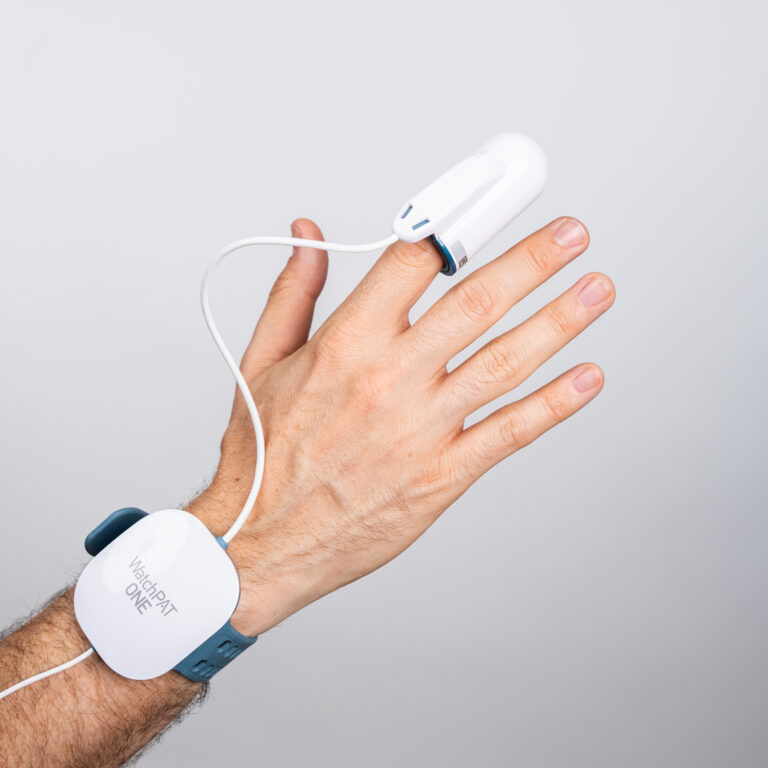
If you suspect you have sleep apnea, the first step is always a proper diagnosis—whether through a traditional in-lab sleep study or a convenient home sleep test. By working closely with your healthcare provider to document the medical necessity of your treatment, you can better position yourself to navigate the insurance landscape and reclaim your health.
Medical Disclaimer: The information provided in this article is for educational purposes only and does not constitute medical advice. Always consult with your primary care physician or a sleep specialist before beginning any new medication, supplement, or lifestyle change, as these may interact with your existing health conditions or current treatments.