







In the quest for physical longevity, we often obsess over complex gym machines or high-intensity interval training. Yet, some of the most profound indicators of our physical health are hidden in the simplest movements. Among these, the step-up—a foundational, unilateral exercise—stands out as a superior diagnostic tool and a vital component of any robust fitness regimen. By isolating each leg, this movement does more than just build muscle; it exposes imbalances, tests neurological control, and mirrors the functional requirements of daily life.
The Anatomy of the Movement: Why Unilateral Training Matters
At its core, a step-up is a functional movement that requires an individual to elevate their entire body weight onto a platform using a single limb. Unlike bilateral movements like the standard barbell squat, where the stronger leg can subconsciously compensate for the weaker one, the step-up forces each leg to carry its own load.
This unilateral nature is precisely why fitness professionals prioritize the movement. It serves as a "truth serum" for the body, revealing hidden deficits in strength, stability, and mobility. When you perform a step-up, you aren’t just engaging the primary movers—the quadriceps, hamstrings, and glutes—you are also demanding significant output from your core stabilizers and the intricate muscles surrounding the ankle and hip.
Expert Insight: Building Strength After 40
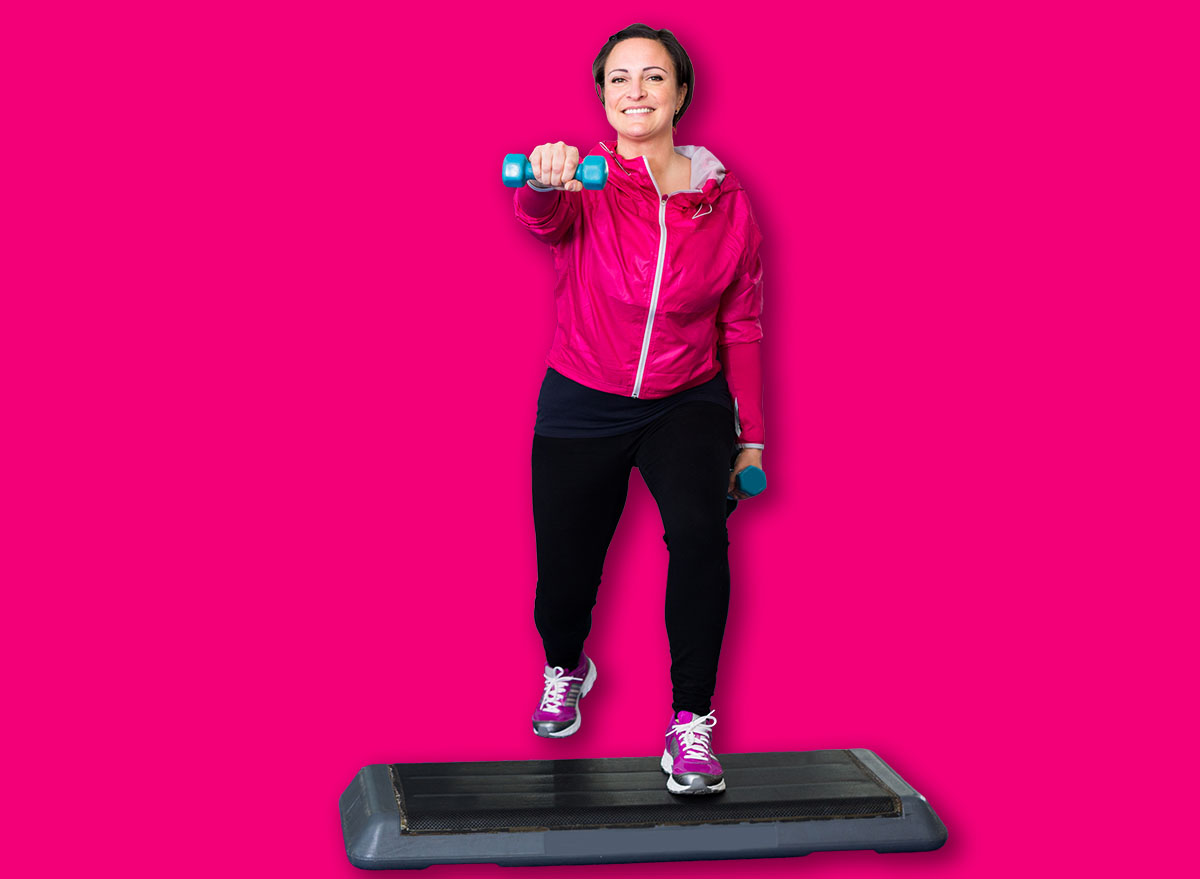
To understand the specific benefits of this movement, we consulted Gerard Washack, a seasoned expert with over 20 years of experience in the fitness industry and founder of Strong Republic Personal Training. His philosophy is rooted in the specific, evolving needs of adults over the age of 40.
"Step-ups are a highly productive test of lower-body strength and function because they require one leg to complete all the work," Washack explains. "They take your balance into consideration and demand core strength to remain upright during the movement. Step-ups really expose how strong your legs are and how well your balance is."
According to Washack, the modern sedentary lifestyle often masks physical decline until it is too late. By incorporating step-ups, individuals can maintain the neuromuscular pathways necessary to navigate the world safely as they age.

The Physiology of the Step-Up: A Four-Fold Challenge
When an individual steps onto a bench, they are not merely moving through space; they are executing a complex sequence of physiological events. Washack identifies four critical pillars that are simultaneously assessed during a single repetition:
- Strength: The lead leg must generate enough force to propel the entire body weight upward against the resistance of gravity.
- Balance: The body must maintain a vertical axis, preventing the torso from swaying or compensating, which demands constant feedback from the inner ear and proprioceptive sensors.
- Endurance: Because the legs house the largest muscle groups in the body, they are metabolically demanding. The rapid fatigue experienced during a set of step-ups is a direct reflection of the muscles’ demand for oxygen and their efficiency in processing it.
- Coordination: Achieving a smooth, fluid movement without "rocking" or pushing off with the trailing foot requires high-level motor control and neural recruitment.
Muscle Recruitment: A Holistic Engagement
The step-up is often touted as a "complete move" because it creates a kinetic chain that engages nearly the entire lower body.
- The Quadriceps: These serve as the primary initiators, providing the initial burst of power to start the ascent.
- The Glutes: Once the body is in motion, the glutes take over to drive the hips into full extension at the top of the platform.
- The Calves and Stabilizers: These muscles work in concert to stabilize the ankle, preventing wobbling, while the hip stabilizers (such as the gluteus medius) work to keep the standing leg from caving inward.
- The Core: The abdominals and obliques are under constant tension to keep the torso upright, preventing the common mistake of leaning forward, which can shift the load improperly onto the lower back.
Bridging the Gap Between the Gym and Real Life
Fitness should always serve a purpose beyond the gym walls. As we age, the ability to perform activities of daily living (ADLs) becomes the true metric of health.
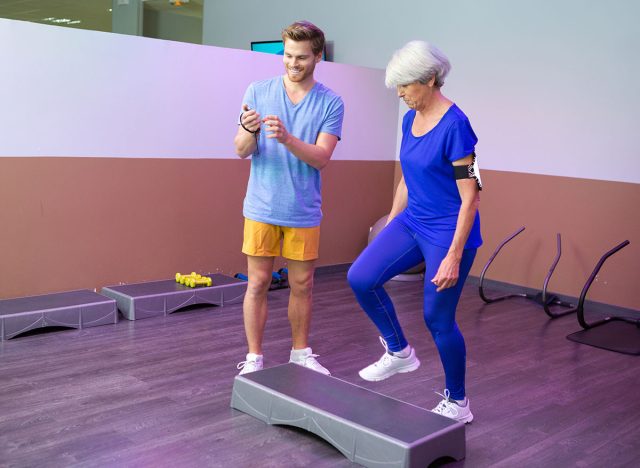
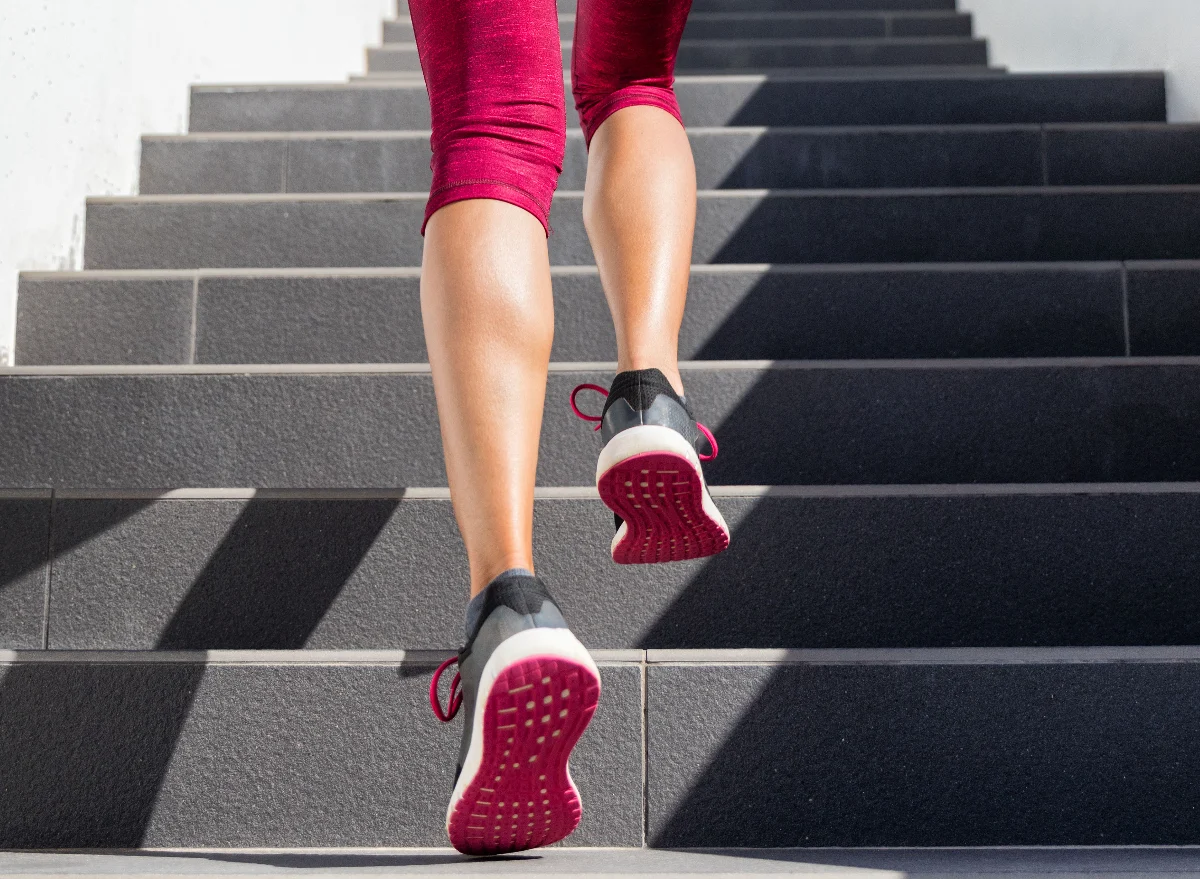
"Every staircase you climb is a step-up," Washack notes. "The movement is fundamental to your independence. Whether you are getting out of a low chair without using your hands, rising from the floor, hiking a local trail, stepping onto a curb while carrying groceries, or simply climbing into a truck—the step-up is the blueprint for all these motions."
By practicing the movement in a controlled environment, we build the "functional reserve" necessary to handle these real-world scenarios with ease and without injury.
Benchmarking Longevity: The Standards for Success
How do you know if your lower-body strength is sufficient for your age? Washack provides a clear, actionable benchmark, specifically for those over the age of 60.
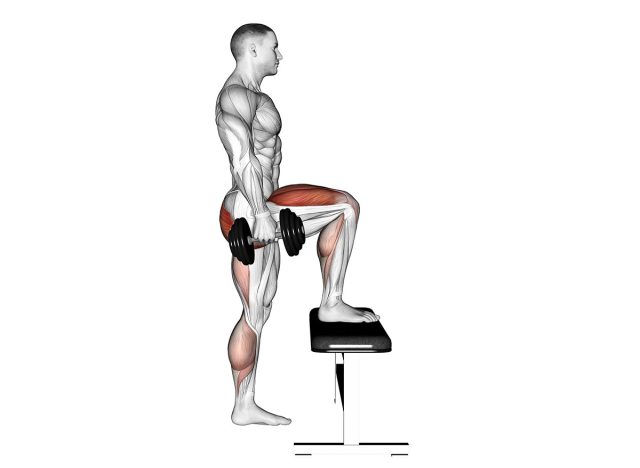
The "In Shape" Baseline: If you are over 60 and currently in decent physical condition, you should aim to complete five to eight consecutive, controlled step-ups on each leg. The platform should be roughly the height of a standard workout bench (usually 16 to 20 inches).
The "Elite" Standard: For those seeking higher performance or looking to optimize their longevity, the "elite" mark is approximately 20 step-ups per side. Achieving this number indicates a high level of cardiovascular endurance, muscular strength, and, perhaps most importantly, excellent neuromuscular coordination.
Implementation: How to Properly Execute the Movement
To gain these benefits, form is non-negotiable. If you are new to the movement, follow these steps to ensure safety and efficacy:
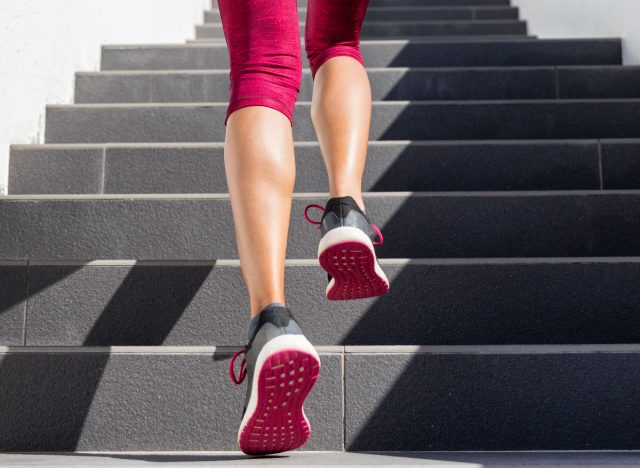
- Select Your Height: Start with a platform that is at or slightly below knee height. A platform that is too high can cause the knee to track improperly or put excessive strain on the hip.
- The Ascent: Place your entire foot securely on the bench. Drive through the heel of the lead foot. Avoid the urge to "push off" with the foot remaining on the floor; the goal is to make the lead leg do 100% of the work.
- The Extension: Stand fully upright at the top of the bench. Ensure your hips are extended and your core is engaged.
- The Descent: Control is vital. Lower yourself back to the floor slowly. The eccentric (lowering) portion of the movement is just as important for muscle growth and joint stabilization as the upward push.
The Future of Functional Fitness
The step-up is more than just a gym exercise; it is a diagnostic tool for the aging process. By incorporating this movement into your weekly routine, you are not just building larger quads or stronger glutes—you are investing in your future independence.
As we look toward the future of physical health, the focus is shifting away from aesthetic hypertrophy toward functional capacity. The ability to move, balance, and exert force through a single limb is, quite literally, a step toward a more active and capable life. Whether you are currently hitting the "elite" benchmark or working toward your first five repetitions, the journey starts with one controlled step.