








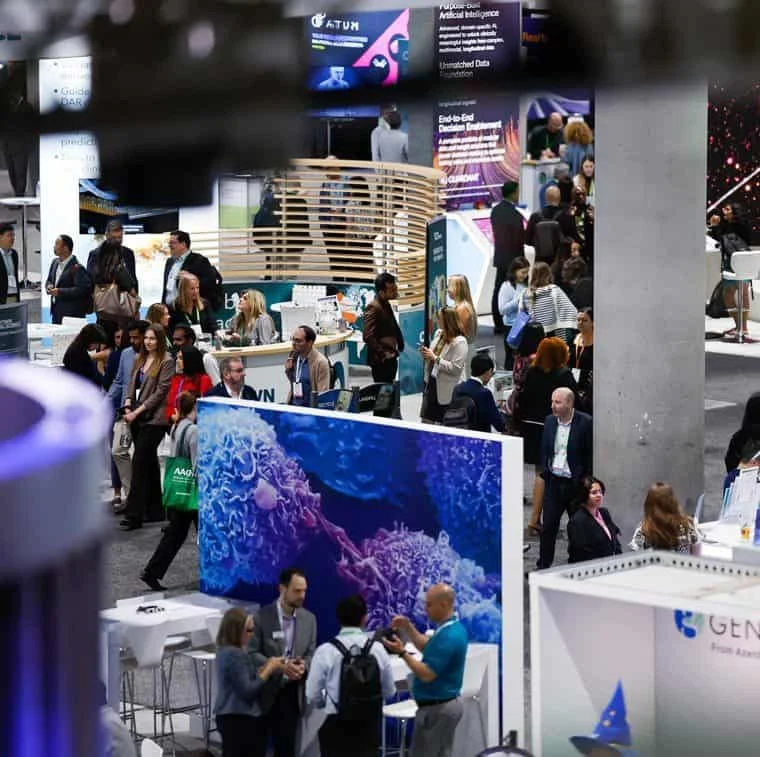
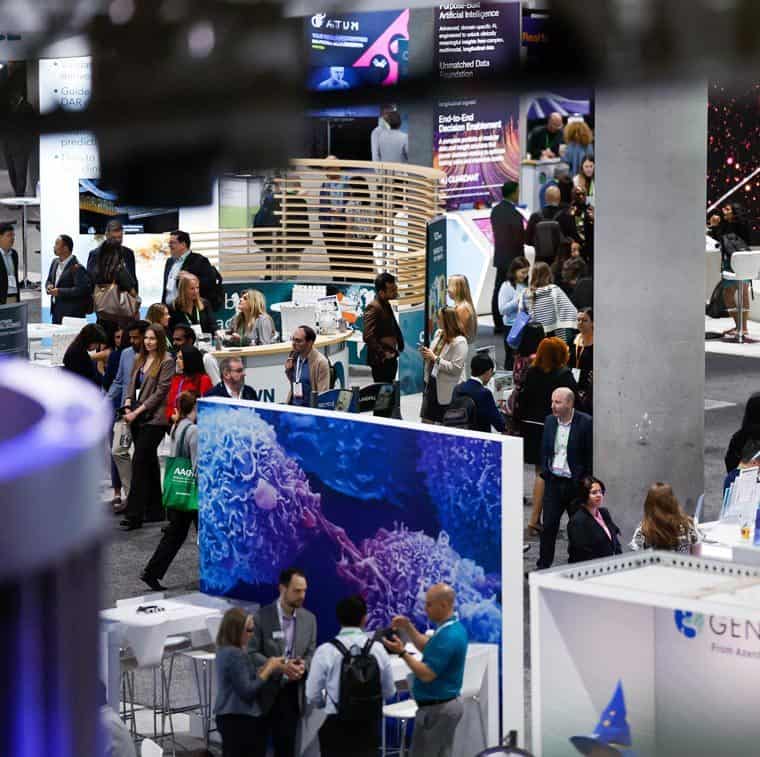
At the 2026 American Association of Cancer Research (AACR) Annual Meeting, the atmosphere was defined by a duality that has become the hallmark of modern medicine: profound pride in how far we have come, and an urgent, sobering recognition of how much further we must go.
National Cancer Institute (NCI) Director Anthony Letai, MD, PhD, stood before a global assembly of scientists, clinicians, and advocates to deliver a keynote that served as both a status report and a clarion call. While the statistics reflect a historic win in the war against cancer, the clinical reality suggests that the battlefield is shifting beneath our feet. As we enter the second half of the 2020s, the focus of the research community is pivoting from broad-spectrum treatments to a hyper-personalized, data-driven, and structurally integrated approach to oncology.
Main Facts: The State of the Union in Cancer Research
The headline from the 2026 American Cancer Society’s Cancer Statistics report is undeniably positive: cancer mortality in the United States has declined by approximately 33% over the last thirty years. This milestone is not merely a statistical victory; it represents millions of years of life reclaimed—more birthdays, more milestones, and more time for families.
However, Dr. Letai’s address emphasized that the "easy" wins in oncology are behind us. We are moving into an era where the diseases we treat are becoming more biologically complex and, in some cases, more aggressive in younger populations.
The Key Pillars of the Current Landscape:
- The Immunotherapy Revolution: Immuno-oncology remains the primary engine of progress, yet its efficacy is inconsistent across different cancer types and patient profiles.
- The Early-Onset Crisis: We are witnessing a demographic shift where cancers previously associated with older age are surging in younger adults.
- Data Fragmentation: Despite having access to more biological data than ever before, the research community lacks the unified infrastructure to make that data "speak" across borders and platforms.
- Systemic Inefficiencies: The pace of clinical trials in the U.S. is being outstripped by international competitors, necessitating a regulatory and structural overhaul.
Chronology: A Three-Decade Trajectory
To understand the urgency of 2026, one must look at the evolution of the cancer research ecosystem over the last thirty years.
- 1996–2006: The Era of Cytotoxic Chemotherapy. Treatment was largely "one-size-fits-all," relying on systemic agents that attacked rapidly dividing cells regardless of their specific mutations.
- 2006–2016: The Rise of Targeted Therapy. The mapping of the human genome ushered in the age of precision medicine, focusing on specific molecular drivers of tumors.
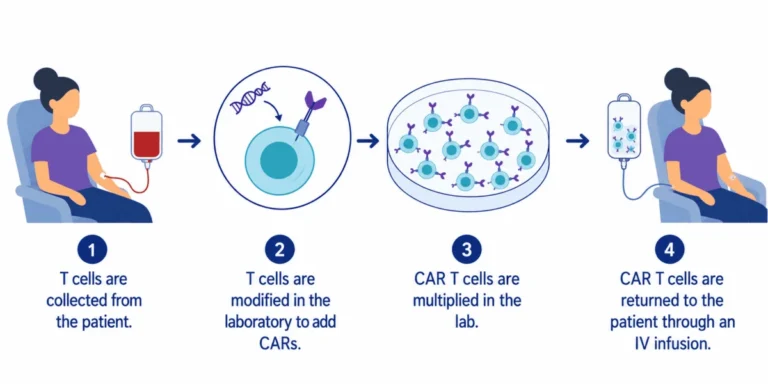
- 2016–2026: The Immunotherapy Breakthrough. This decade saw the validation of checkpoint inhibitors and CAR-T cell therapies, proving that the human immune system could be "trained" to recognize and eradicate cancer.
- 2026 and Beyond: The Data-Integration Era. We are currently entering a phase where the bottleneck is no longer the availability of treatments, but the ability to identify the right patient for the right therapy at the right time through AI-driven insights.
Supporting Data: The Rising Tide of Early-Onset Cancer
While mortality rates are down, incidence rates in specific demographics are triggering alarm bells among public health experts. The most striking data point released this year concerns colorectal cancer, which has officially become the leading cause of cancer-related death among adults under 50.
Current statistics indicate that colorectal cancer incidence in younger age groups is climbing by nearly 3% per year. This shift suggests that environmental, dietary, or microbiome-related factors—distinct from the traditional aging process—are playing a more significant role in carcinogenesis than previously understood.
Furthermore, treatment resistance remains the "Achilles’ heel" of modern oncology. Even when initial immunotherapy responses are robust, a significant subset of patients eventually experience recurrence. The durability of treatment is now the primary metric of success, and current data shows that we are losing too many patients to the evolution of tumor resistance.
Official Responses and Strategic Shifts
Dr. Letai’s address to the AACR was not just a summary of findings; it was a blueprint for institutional change. He identified three specific areas where the NCI and its partners must pivot.
1. The Need for "AI-Ready" Infrastructure
Dr. Letai argued that we have moved past the point where a single lab or a single hospital can solve the cancer puzzle. The future of precision medicine depends on "data at scale." Initiatives like the Cancer Research Institute’s (CRI) Discovery Engine are the prototypes for this future. By harmonizing genomic, spatial, and cellular data, the Discovery Engine allows researchers to build "AI-ready" resources that compare results across diverse clinical systems.
2. Streamlining Clinical Trial Ecosystems
Perhaps the most controversial and urgent portion of Dr. Letai’s address concerned the speed of clinical trials. He pointed to countries like China, where the regulatory environment and trial infrastructure have allowed for a higher velocity of early-phase testing. Dr. Letai warned that if the U.S. does not streamline its regulatory pathways, parallelize processes, and improve trial design, we risk losing our position as the global hub of biomedical innovation.
3. Sustaining the Talent Pipeline
Dr. Letai was adamant: "The future of cancer research depends on the next generation." He highlighted that current funding models often create a "valley of death" for young investigators—a period between postdoctoral work and independent faculty status where funding is scarce and risk-aversion is high. The NCI is responding with new training initiatives, and organizations like the CRI are bolstering these efforts with programs like the IGNITE Award, which provides five years of catalytic funding to ensure that high-risk, high-reward ideas don’t die due to lack of financial support.
Implications: The Moral and Scientific Imperative
The implications of the 2026 AACR findings are clear: scientific innovation is necessary but insufficient. For cancer research to achieve its ultimate goal—a cure—it must be coupled with a commitment to equity and communication.
The Equity Gap
Advances in laboratory science mean little if they remain locked behind the barriers of geography, socioeconomic status, or institutional access. Dr. Letai emphasized that the NCI is redoubling its efforts in prevention and screening, particularly in underserved and economically marginalized communities. The goal is to move from a model of "reactive treatment" to one of "proactive access."
Communicating the Value of Science
Finally, there is a societal component to this work. The scientific community has a responsibility to translate complex breakthroughs into a language that policymakers and the public can understand. When the public understands the link between basic research and life-saving therapies, it fosters the political and philanthropic support necessary to sustain the ecosystem.
Conclusion: Precision, Partnership, and Purpose
As the 2026 AACR meeting concluded, the consensus was one of cautious optimism. We are no longer chasing shadows; we are actively mapping the biological architecture of cancer. However, the path forward requires a fundamental recalibration of how we share data, how we train scientists, and how we deliver care.
The principles guiding the next decade of research are:
- Precision: Moving beyond standard protocols to individualized, biology-based treatment plans.
- Partnership: Breaking down the silos between academia, industry, and government to accelerate the trial-to-patient pipeline.
- Purpose: Ensuring that the focus remains steadfastly on the patient—specifically those who have historically been left behind by the pace of innovation.
For the patient facing a new diagnosis, these initiatives represent more than just academic progress; they represent the difference between a terminal prognosis and a chronic, manageable condition. For the donor and the taxpayer, they represent a high-yield investment in the preservation of human life.
The work is far from over, but for the first time in history, we possess the tools to finish it. The breakthrough that changes everything might be sitting in a lab today, waiting for the right data, the right funding, or the right partnership to bring it to the bedside. The question is no longer whether we can solve cancer, but how quickly we can align our systems to ensure we do.