





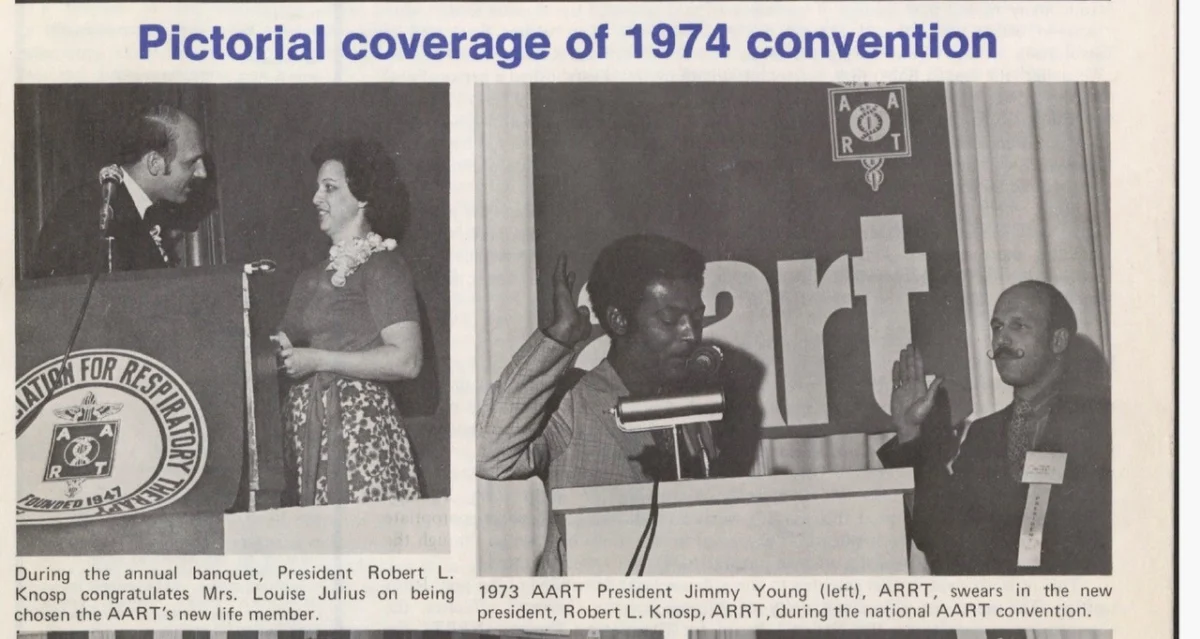
The American Association for Respiratory Care (AARC) has long served as the heartbeat of the respiratory therapy profession, and at the center of its recognition programs sits the Jimmy A. Young Award. Named in honor of the late AARC president whose life’s work was synonymous with professional dedication, this award represents the pinnacle of achievement in the field. It is reserved for individuals who have demonstrated not merely excellence in their clinical practice, but a sustained, lifetime commitment to advancing the respiratory care landscape.
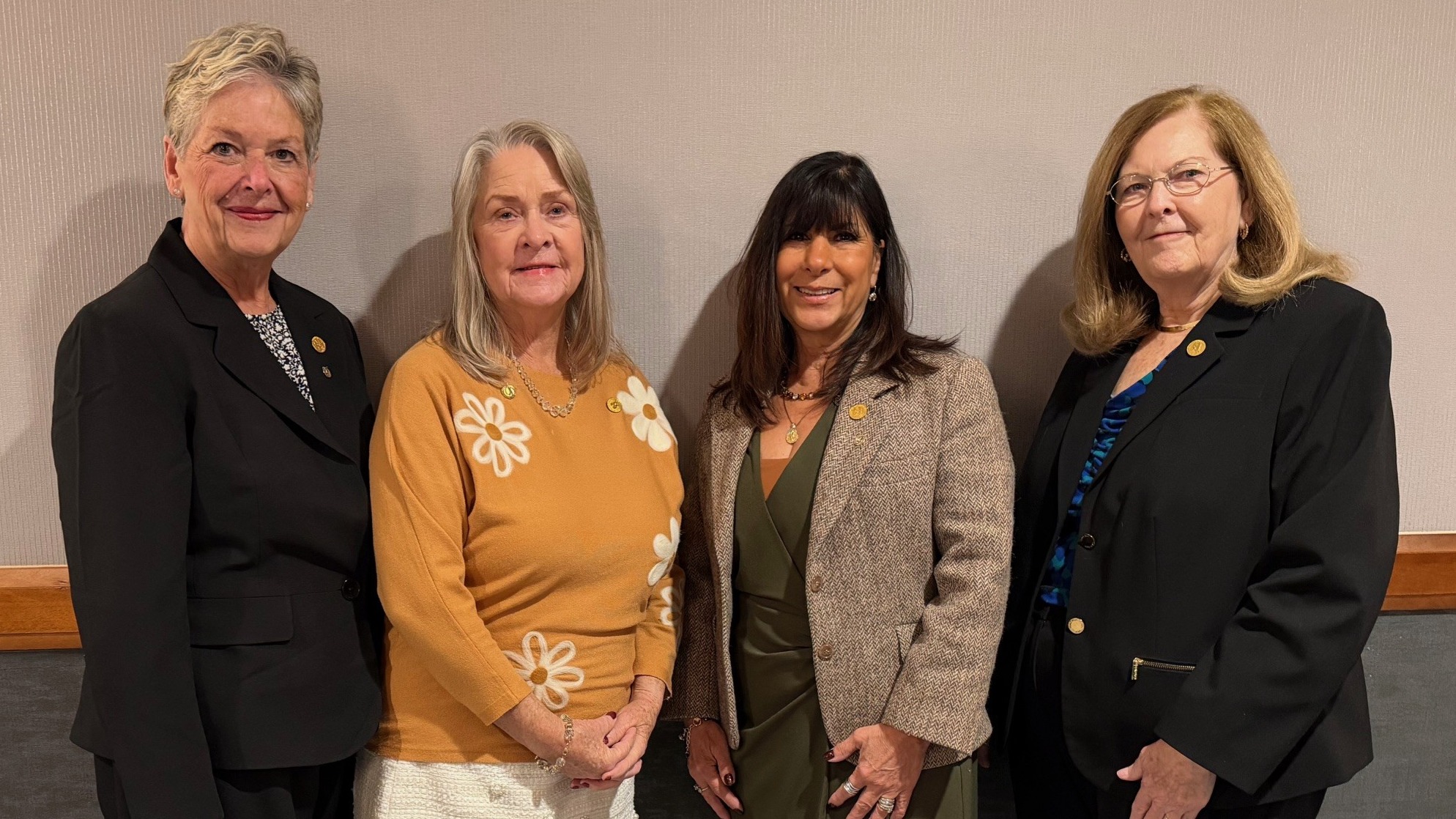
In a landmark retrospective feature, Lisa Weisenberger, the AARC’s Director of Content and Communications, facilitated a profound dialogue with four of the five women who have been bestowed this prestigious honor: Dianne Lewis, MS, RRT, FAARC (2025); Trudy Watson, BS, RRT, FAARC (2018); Margaret Traband, MEd, RRT, FAARC (2011); and Teresa Volsko, MBA, MHHS, LSSBB, RRT, FAARC (2020). The fifth recipient, Louise Julius, earned the honor in 1988 alongside her husband, John. This conversation serves as both a historical account of the profession’s evolution and a blueprint for the next generation of respiratory therapists (RTs).
A Legacy of Service: The Foundation of Leadership
The journey to receiving the Jimmy A. Young Award is rarely linear; rather, it is a testament to the cumulative power of service. For the recipients, the path began not with an ambition for accolades, but with an intrinsic drive to improve patient outcomes and professional standards.
Dianne Lewis, the most recent recipient, traces her influence back to her foundational work within the AARC’s House of Delegates. She recalls the formative experience of serving on the Clinical Practice Guidelines Steering Committee, a pivotal moment in the history of the profession. "My group wrote and published the first clinical practice guideline for the association," Lewis shared. This milestone was transformative, providing a framework that helped standardize the delivery of care to patients across the United States, effectively elevating the rigor of the profession.
Margaret Traband, who began her journey with the AARC in 1972, echoes this sentiment, emphasizing that professional leadership often takes root at the local level. "We began with our state societies," Traband noted. "You don’t do it looking for what else you need to check off a list to get an award. You’re just moving ahead where you think you can do the most good." This philosophy—that the most lasting contributions often stem from quiet, consistent work in one’s local sphere—remains a cornerstone of the professional culture these women helped build.
Breaking the Glass Ceiling: A Historical Shift
The history of respiratory therapy is a history of rapid transformation. While women today comprise a significant and vital portion of the respiratory therapy workforce, the path to leadership was once obstructed by significant systemic barriers. The retrospective discussion illuminated the stark difference between the landscape of the 1970s and the present day.
Teresa Volsko provided a compelling narrative regarding the "seat at the table" dynamic. In the early days of her career, the scarcity of leadership opportunities created a culture of unintentional competition. "In 1979, if you were invited to the table, you didn’t dare bring another woman up with you because there was only one or two seats," Volsko explained. "Now, we have the power to change that landscape from being competitive to really lifting each other up."
This shift in mentorship—from a survival-based scarcity mindset to an intentional culture of empowerment—has been instrumental in the professional growth of women within the AARC. By actively sponsoring and mentoring younger colleagues, these award recipients have dismantled the invisible barriers that once limited the influence of women in high-stakes medical decision-making.
Chronology of Influence: From the Bedside to the Boardroom
The professional trajectory of these leaders spans five decades of medical advancement. Their collective experience provides a unique timeline of the profession’s growth:
- The 1970s: The Era of Foundation. During this decade, the profession was formalizing its educational standards and clinical practice guidelines. Leaders like Traband were instrumental in establishing the infrastructure of state and national societies.
- The 1980s: The Era of Shared Advocacy. The 1988 recognition of Louise Julius highlights the importance of partnership and the dual-career approach to professional service.
- The 2010s: The Era of Specialization. By 2011 and 2018, recipients like Traband and Watson were recognized for highly specialized contributions, including advanced educational leadership and organizational management.
- The 2020s: The Era of Strategic Leadership. With the recognition of Volsko (2020) and Lewis (2025), the focus has shifted toward complex organizational strategy, quality improvement, and the navigation of the post-pandemic healthcare environment.
Strategic Advice for the Next Generation
As the healthcare landscape grows increasingly complex, the lessons shared by these four leaders offer a roadmap for those currently entering the field. Their advice is rooted in clinical experience but emphasizes the soft skills necessary for long-term career fulfillment.
1. Master the Art of Networking
Trudy Watson emphasizes that professional success is inextricably linked to visibility. "Get involved so your name is known and you are trusted within your own organization," Watson advises. She notes that expanding one’s network into related entities, such as the American Lung Association, is essential for building a reputation that extends beyond the walls of one’s own hospital.
2. The Virtue of Being Over-Prepared
In an era where technology changes rapidly, clinical grounding remains the most critical asset for an RT. Traband points to the "Journal Clubs" of the 1970s as a model for modern practice. "Being over-prepared is status quo for most of us," she says. "You have to be well-versed, so you don’t come off half-prepared." This commitment to lifelong learning is what separates the practitioner from the professional leader.
3. Leading from the Bedside
Perhaps the most empowering message for current students and new graduates is that leadership is an action, not a title. Volsko challenges the notion that one must hold an administrative position to effect change. "Don’t let the fact that you have the title of a clinical respiratory therapist stop you from doing great things. Lead where you are."
Implications for the Future of Respiratory Care
The profession faces a dual challenge in the coming decade: an unprecedented demand for services and a pressing need to cultivate the next generation of educators and practitioners.
Dianne Lewis acknowledges that the job market for respiratory therapists is robust and poised for significant growth. However, the hurdle lies in the "pipeline." Trudy Watson highlights the critical issue of recruitment, noting the struggle to "find the students to fill the seats in the classroom" necessary to meet the burgeoning demand for specialized care.
Furthermore, the post-pandemic era has brought the realities of provider burnout to the forefront of the AARC’s mission. As clinical workloads increase, the potential for disillusionment grows. Margaret Traband offers a poignant, restorative perspective for those currently on the front lines: "The further away you get from the bedside, the less positive reinforcement happens. Take the time to reflect at the end of the day. Know that you’ve alleviated breathlessness and calmed patients. Steep in that moment."
Conclusion: A Testament to Advocacy
The Jimmy A. Young Award is far more than a plaque or a career highlight; it is a living testament to a lifetime of advocacy. The four women profiled in this retrospective demonstrate that the future of respiratory care relies on a delicate balance: the technical precision of the bedside, the strategic vision of the boardroom, and, most importantly, the courage to mentor the next generation.
As the respiratory therapy profession continues to evolve, the legacies of Lewis, Watson, Traband, and Volsko serve as a reminder that every therapist holds the potential to be a leader. Whether through the creation of a new clinical guideline, the mentorship of a new colleague, or the simple, profound act of providing life-sustaining care at the bedside, the work of the respiratory therapist remains at the heart of the modern medical mission. Their stories are a call to action—to take a seat at the table, to lift others up, and to continue the essential work of breathing life into the profession.