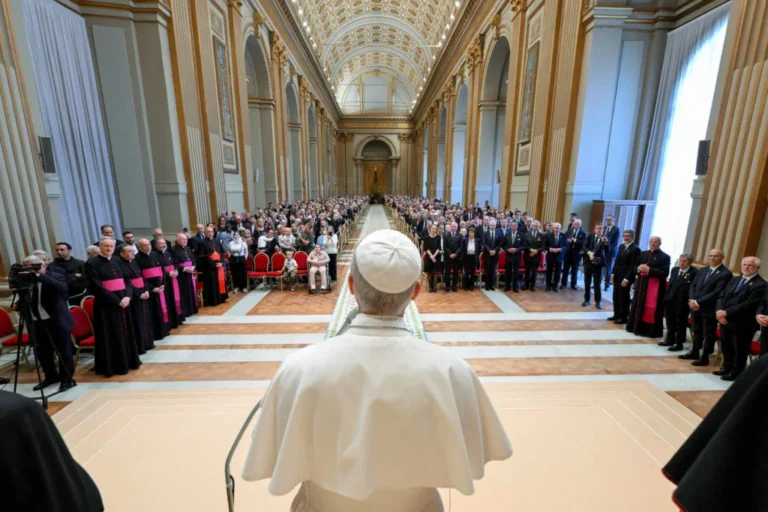








The global community has turned its attention to the Vatican following the announcement that Pope Leo XIV underwent a successful surgical procedure to remove the lower lobe of his right lung. The surgery, necessitated by a diagnosis of lung adenocarcinoma, marks a significant health milestone for the pontiff. While the Vatican has maintained that the procedure was routine and successful, the news has prompted widespread discussion regarding the nature of lung cancer, the nuances of modern thoracic surgery, and the long-term outlook for patients—even those of advanced age.
The Diagnosis: Understanding Lung Adenocarcinoma
The Vatican’s medical team identified the pope’s condition as lung adenocarcinoma. To understand the gravity and the hope surrounding this diagnosis, it is necessary to differentiate it from other pulmonary malignancies. Lung cancer is broadly categorized into two primary types: small cell lung cancer and non-small cell lung cancer (NSCLC).
Adenocarcinoma falls under the NSCLC umbrella and is, statistically, the most prevalent subtype of lung cancer globally. Unlike small cell lung cancer, which tends to grow and spread rapidly, adenocarcinoma often presents a more varied clinical picture. Some variants are indolent, growing slowly over years, while others can be more aggressive.
"While it remains a very serious medical challenge, adenocarcinoma generally offers slightly higher cure rates than other, more aggressive forms of lung cancer, particularly when detected in its nascent stages," explains Dr. John Heymach, a leading oncologist at the MD Anderson Cancer Center in Houston. The critical factor in Pope Leo’s prognosis is the early discovery of the tumor, which appears to have been localized and contained before it could metastasize to surrounding lymph nodes or distant organs.
The Mystery of Causation
While smoking remains the indisputable leading cause of lung cancer, medical literature increasingly highlights a concerning reality: approximately 20% of lung cancer cases occur in "never-smokers." This phenomenon remains a subject of intense scientific investigation. Dr. Heymach notes that for many non-smokers, the development of adenocarcinoma may be a matter of "random chance"—genetic mutations occurring during the natural process of cell division. Other contributing factors, as outlined by the American Cancer Society, include chronic exposure to environmental carcinogens such as radon gas, asbestos, ionizing radiation, secondhand smoke, and persistent urban air pollution.
Chronology of Care: From Detection to Recovery
The journey toward this surgery began not with a symptomatic alarm, but with the efficiency of routine medical surveillance.
- The Incidental Finding: During a separate, unrelated medical examination, physicians identified a small nodule on the pope’s lung. This is known in medical parlance as an "incidental finding." Because the nodule was identified during a routine scan—long before the pontiff could have experienced classic symptoms like a persistent cough or shortness of breath—doctors were able to intervene while the tumor was still in its most treatable state.
- The Surgical Intervention: Surgeons at Rome’s Gemelli Hospital performed a lobectomy, removing the lower section of the right lung. The right lung is anatomically composed of three lobes, whereas the left consists of two. By removing only the affected lobe, surgeons preserved the remaining pulmonary capacity of the pope, a strategy intended to balance the removal of malignancy with the preservation of daily function.
- Post-Operative Progress: Following the procedure, the Vatican released updates noting that the pope was mobile within 24 hours of the surgery. In thoracic medicine, early mobilization is a vital "harbinger of a quicker recovery," according to Dr. Heymach. Current data indicates that the pontiff’s post-operative tests have returned to normal ranges, and he is showing a robust trajectory toward recovery.
The Physiology of Adaptation: Life After a Lobectomy
A common concern among those undergoing lung surgery is the long-term impact on physical endurance. Dr. Ben Zhang, a thoracic surgeon at Allina Health in Minneapolis, clarifies that the human body is remarkably adept at compensating for the loss of a lung lobe.
"When one lobe is removed, the remaining lobes naturally expand and recruit to pick up the slack," Dr. Zhang explains. "Over a period of several months, the lungs adjust to the new volume. For patients who were physically active prior to the surgery, the long-term functional deficit is often minimal."
Pope Leo XIV’s lifestyle may play a significant role in his recovery. Known for his commitment to weekly tennis matches and regular swimming, the pontiff possesses a baseline of cardiovascular fitness that is highly beneficial for recovery. In the United States, the average hospital stay for a lobectomy is roughly two nights, though this can vary based on pain management and the duration required for chest drainage tubes to be removed. The pontiff’s rapid return to walking is considered an excellent indicator of his underlying resilience.
Supporting Data: Screening and Early Detection
The medical community emphasizes that the pope’s case underscores the life-saving potential of early detection. Because lung cancer often remains asymptomatic until it has reached an advanced stage, the window for curative surgery is frequently missed.
Symptoms that typically warrant immediate medical attention include:
- A cough that does not go away or worsens over time.
- Persistent chest pain, often exacerbated by deep breathing or coughing.
- A noticeable change in voice, such as persistent hoarseness.
- Unexplained shortness of breath or recurrent bouts of bronchitis and pneumonia.
In the United States, the medical consensus for high-risk individuals—particularly those with a significant history of tobacco use—is to undergo annual screening via low-dose CT (computed tomography) scans. These scans provide high-resolution imagery that can detect nodules at a stage where they are easily treatable. The pope’s experience serves as a powerful testament to the value of proactive medical oversight, even in the absence of obvious symptoms.
Official Responses and Global Reaction
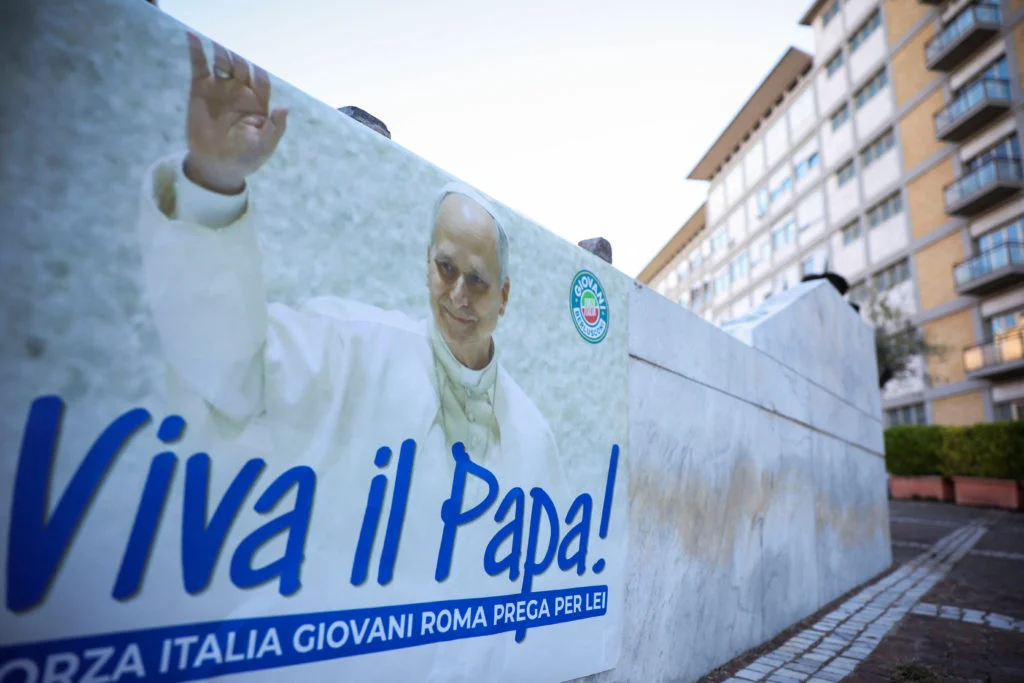
The announcement of the surgery sparked an outpouring of support from across the globe. From South America to the farthest reaches of Europe, the faithful have held vigils and offered prayers for the pontiff’s health.
The Vatican has maintained a transparent, albeit cautious, communication strategy, providing regular updates on the pope’s recovery. While there is inherent uncertainty regarding his upcoming travel schedule and public engagements, the focus remains firmly on his physical convalescence. The international community, meanwhile, continues to monitor the news with a mixture of concern and hope, recognizing that the health of a world leader—regardless of their office—is a matter of global importance.
Implications: The Road Ahead
As Pope Leo XIV transitions into his post-operative phase, the medical team must determine if additional treatments are required. This decision hinges on the pathological staging of the tumor. Pathologists look at the tumor’s size, its cellular characteristics, and whether it showed any indication of spreading into nearby lymph nodes.
Depending on these findings, oncologists may consider adjuvant therapies:
- Chemotherapy: Used to eradicate any microscopic cancer cells that might remain.
- Radiation: A localized treatment used to destroy residual disease.
- Immunotherapy or Targeted Drugs: A modern approach that utilizes specific molecular markers found on the tumor cells to guide treatment, often resulting in fewer side effects than traditional chemotherapy.
The pope’s recovery is not merely a clinical matter; it is a human story of aging, vulnerability, and the efficacy of modern medicine. By opting for surgical intervention and adhering to a rigorous recovery protocol, the pontiff has provided a public example of how early detection can transform a potentially fatal diagnosis into a manageable health challenge. As he continues his convalescence, the world waits to see how this chapter of his papacy—defined by resilience and the quiet strength of healing—will influence his future mission.
The Vatican has not yet set a definitive timeline for his return to full public duties, choosing instead to prioritize the medical recommendations of his surgical team. For now, the global focus remains on the successful removal of the tumor and the hope that, through the precision of surgery and the benefit of early intervention, the pontiff will soon be back to the activities he enjoys—perhaps even, in time, returning to the tennis court.