








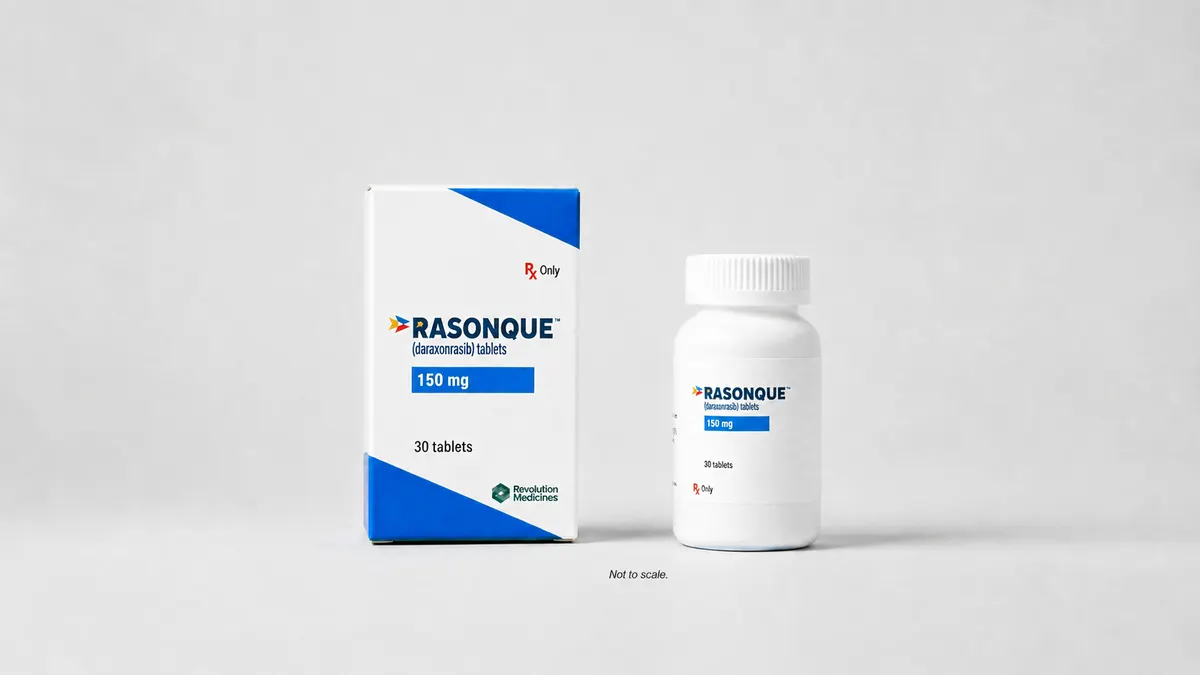
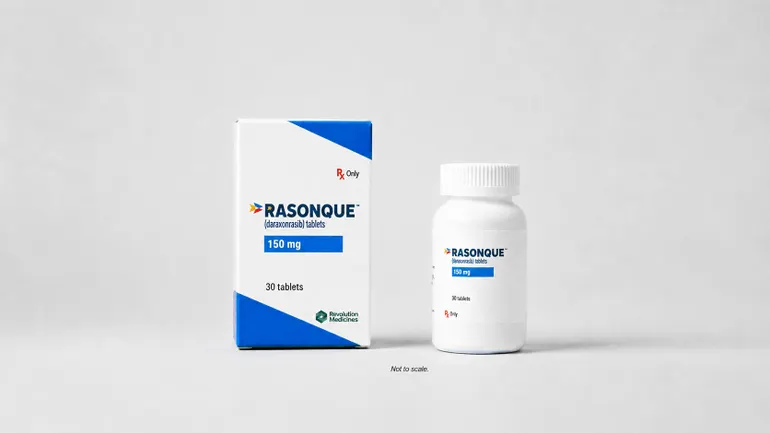
In a watershed moment for oncology, Revolution Medicines has officially launched its groundbreaking therapy, Rasonque (daraxonrasib), marking a pivotal shift in the treatment landscape for metastatic pancreatic adenocarcinoma. Following a remarkably swift FDA approval process, the pharmaceutical company has set a monthly list price of $39,800, a figure that has exceeded Wall Street’s initial projections and fueled aggressive growth forecasts for the drug’s market trajectory. As the first broad RAS-targeted medicine approved for this devastating condition, Rasonque represents not just a commercial triumph for its manufacturer, but a beacon of hope for patients facing one of the most lethal cancer diagnoses in modern medicine.
Main Facts: A New Era for RAS-Targeted Therapy
Rasonque is a once-daily oral tablet designed to address the RAS protein, a molecular target that was long considered "undruggable" by the pharmaceutical industry. The drug has been cleared by the FDA for patients who have already undergone one systemic therapy for metastatic pancreatic adenocarcinoma, as well as for those who are deemed unsuitable candidates for traditional multi-agent systemic therapies.
This "or" designation in the drug’s labeling is of profound significance. It grants clinicians the clinical latitude to deploy Rasonque as a first-line treatment option. In the context of pancreatic cancer—a disease characterized by limited therapeutic innovation and historically abysmal survival rates—this flexibility allows physicians to bypass traditional, often debilitating chemotherapy regimens in favor of a targeted, once-daily pill.
To facilitate the immediate rollout of the drug, Revolution Medicines has launched the (ON)Path support program. This infrastructure is designed to serve as a comprehensive concierge service, helping patients navigate the complexities of health insurance, access financial assistance programs to mitigate the high list price, and manage the inevitable side effects associated with such a potent molecular inhibitor.
The Chronology of an Unprecedented Approval
The speed at which Rasonque traveled from regulatory submission to pharmacy shelf has been nothing short of extraordinary. The FDA’s approval, granted this past Wednesday, came just over a month after the final submission of the company’s data package. This "lightning-fast" review is a testament to the urgency of the clinical need and the strength of the data presented by Revolution Medicines.
- Pre-Clinical Breakthrough: Decades of research culminated in the development of daraxonrasib, a compound capable of binding to and inhibiting the RAS mutation, which drives the aggressive nature of many pancreatic tumors.
- Clinical Validation: The efficacy of the drug was solidified through the RASolute clinical study, which provided the clinical evidence necessary to support the drug’s "unprecedented" results, as described by FDA officials.
- Regulatory Sprint: Upon submission, the FDA designated the application for priority review, recognizing the lack of alternative therapies for this specific patient population.
- The Launch: Within 48 hours of the FDA’s green light, the drug was made available to oncology centers across the United States.
Supporting Data: Why Analysts Are Calling It "Historic"
Financial analysts, most notably Evercore’s Cory Kasimov, have categorized the launch of Rasonque as potentially the fastest in the history of oncology. In a series of notes to clients, Kasimov described the drug as "transformative," noting that the label and pricing strategy only served to reinforce the firm’s high-conviction outlook on the stock.
The economic reality of the $39,800 monthly price tag is significant, yet market observers suggest it will face limited friction from payers. This sentiment is echoed by RBC Capital Markets analyst Leonid Timashev, who argues that because the current standard of care for metastatic pancreatic cancer is largely ineffective or non-existent for many patients, the clinical necessity of Rasonque will likely override typical cost-containment hurdles employed by insurance providers.
Furthermore, the company is not resting on its current success. A Phase 3 clinical trial is already underway to formally evaluate the drug’s performance as a primary, first-line intervention. If successful, this would cement Rasonque’s position as the foundational standard of care, rather than a second-line fallback.
Official Responses and Clinical Perspectives
The medical community’s reception of Rasonque has been a blend of scientific excitement and cautious optimism regarding side-effect management. While the drug is a breakthrough, it is not without toxicity; it requires diligent monitoring of patients to ensure they can maintain adherence.
Revolution Medicines has taken a proactive stance, ensuring that their (ON)Path program is ready to handle the clinical and financial challenges that arise during the initial weeks of treatment. By integrating patient advocacy, financial support, and medical management into the product launch, the company aims to reduce the "time-to-treatment" metric, which is crucial for patients with aggressive, late-stage cancers.
The human element of this approval was brought into sharp focus recently when former U.S. Senator Ben Sasse shared his personal journey with pancreatic cancer. His public discourse highlighted the dire need for innovation in a field that has seen very few major breakthroughs over the last several decades. His experience, and that of many others like him, serves as the emotional and moral impetus behind the rapid adoption of this therapy.
Implications for the Future of Oncology
The implications of the Rasonque launch are far-reaching, extending well beyond the immediate benefit to pancreatic cancer patients.

1. The Validation of "Undruggable" Targets
For years, the RAS mutation was viewed as a holy grail in oncology—a target that was biologically critical but structurally impossible to hit. The success of Rasonque proves that modern drug discovery platforms can overcome these structural hurdles, opening the door for similar targeted therapies for other RAS-driven cancers, including colorectal and non-small cell lung cancer.
2. Pricing and Market Access
The $39,800 monthly price tag sets a high bar for oncology therapeutics. While this price is justified by the company through the lens of R&D costs and the high unmet need, it will undoubtedly reignite the debate regarding the sustainability of cancer drug pricing. The industry will be watching closely to see how effectively the (ON)Path program manages the burden on the patient and the healthcare system.
3. Regulatory Velocity
The speed of the FDA’s decision-making process in this instance may set a new precedent for how the agency handles therapies for high-mortality, low-treatment-option diseases. By prioritizing speed over the traditional, more bureaucratic review cycle, the FDA has signaled a willingness to partner with innovators to get life-saving medicine to patients faster.
4. Competitive Dynamics
As Revolution Medicines moves to solidify its lead, other pharmaceutical giants with competing RAS programs will be under immense pressure to demonstrate not just efficacy, but also the same level of accessibility and broad utility that Rasonque has established.
Conclusion
The launch of Rasonque is a landmark event that bridges the gap between sophisticated molecular biology and practical patient care. By transforming a historically terminal diagnosis into a condition that can be treated with a targeted oral therapy, Revolution Medicines has changed the trajectory for thousands of families. As the medical community monitors the drug’s performance in the real-world, all eyes will be on the Phase 3 data and the ongoing efforts to expand access to this transformative medicine. For now, the narrative surrounding Rasonque is one of cautious, yet profound, optimism—a rare and welcome sentiment in the challenging world of pancreatic cancer treatment.