









In a landmark decision that promises to redefine the standard of care for an ultra-rare metabolic disorder, the U.S. Food and Drug Administration (FDA) has granted approval to Ultragenyx Pharmaceutical for its novel gene therapy, Genglycos. The therapy, formerly known as DTX401, represents the first-ever genetic medicine approved for patients aged 8 and older living with Glycogen Storage Disease type Ia (GSDIa).
For decades, the lives of GSDIa patients have been governed by the relentless ticking of a clock. To prevent life-threatening hypoglycemia, patients have relied on a rudimentary, round-the-clock dietary regimen: the consumption of raw cornstarch mixed into a slurry every few hours, including through the night. The approval of Genglycos marks a transition from managing symptoms with kitchen staples to addressing the disorder’s underlying biological cause through advanced genomic medicine.
Main Facts: The End of the "Cornstarch Era"
Glycogen Storage Disease type Ia is an inherited metabolic disorder characterized by a deficiency of glucose-6-phosphatase, an enzyme predominantly found in the liver and kidneys. This enzyme is critical for maintaining blood sugar stability; without it, the body cannot release stored glycogen into the bloodstream as glucose.
For the estimated 1,500 to 2,500 patients in the United States, this deficiency results in dangerous fluctuations in blood glucose levels. The current "standard of care"—uncooked cornstarch—acts as a complex carbohydrate that breaks down slowly, providing a steady, albeit imperfect, release of glucose. However, this method is physically and psychologically taxing, failing to address the root genetic error and leaving patients vulnerable to metabolic swings.
Genglycos changes this paradigm. It utilizes an engineered viral vector to deliver a functional copy of the gene responsible for producing glucose-6-phosphatase directly to the liver. By restoring the body’s ability to regulate its own blood sugar, the therapy aims to liberate patients from the rigid, 24/7 dietary cycle that has defined their lives since childhood.
Chronology of a Breakthrough
The journey of DTX401 to Genglycos has been a multi-year effort defined by rigorous clinical evaluation and regulatory scrutiny:
- Early Development: Ultragenyx identified the potential of viral vector gene therapy to address the enzymatic deficiency of GSDIa, moving the candidate through preclinical trials focused on safety and liver-targeted delivery.
- Clinical Trials: The company initiated a Phase 3, placebo-controlled study enrolling 46 participants aged 8 and older. The trial design allowed for a crossover, ensuring that even those initially assigned to the placebo group eventually received the active therapy.
- 48-Week Landmark: The initial 48-week data provided the basis for the FDA’s accelerated approval. During this period, the treatment arm showed a statistically significant reduction in cornstarch dependency compared to the placebo group.
- 96-Week Data: Following the crossover, the durability of the treatment was demonstrated. At the 96-week mark, participants in the original Genglycos group showed an average 70% reduction in nighttime cornstarch consumption. Those who crossed over saw a 75% reduction compared to their baseline at week 48.
- FDA Approval: Following the close of markets on a Wednesday, the FDA announced its formal approval, granting Ultragenyx a priority review voucher as part of the regulatory package.
Supporting Data and Safety Profile
The efficacy of Genglycos is rooted in its ability to restore stable expression of the missing enzyme. However, as with any advanced genetic medicine, the clinical trial results also highlighted the importance of monitoring for potential adverse reactions.
Efficacy Metrics
The primary endpoint of the study focused on the reduction of exogenous glucose (cornstarch) requirements. The data consistently demonstrated that patients receiving Genglycos could safely increase the intervals between their feedings, suggesting a significant improvement in metabolic stability. The 70% to 75% reduction in nighttime cornstarch intake is particularly notable, as it directly correlates to improved sleep quality and a better quality of life for both patients and caregivers.
Safety and Adverse Events
The safety profile, while generally manageable, requires careful clinical oversight. The study documented serious adverse reactions, including anaphylaxis, adrenal insufficiency, elevated lactate levels, and persistent hypoglycemia. More common side effects reported by participants included transient elevations in liver enzymes, nausea, headaches, constipation, and occasional hyperglycemia.
The FDA’s accelerated approval is contingent upon ongoing post-marketing surveillance. Ultragenyx is required to provide two years of additional safety and efficacy data from a cohort of 50 commercially treated patients and 20 control patients. The control group will be uniquely comprised of individuals who sought the therapy but were deemed ineligible due to pre-existing antibodies against the viral vector—a common barrier in gene therapy candidates.
Official Responses and Strategic Implications
Emil Kakkis, President and CEO of Ultragenyx, emphasized the human element of this scientific achievement during a conference call following the announcement. "GSD1A is an urgent disease with round-the-clock demands on patients every day and night without holiday or break," Kakkis noted. "A gene therapy designed to deliver the missing enzyme is the ideal way to address this severe ultra-rare disease."
Financial and Market Impact
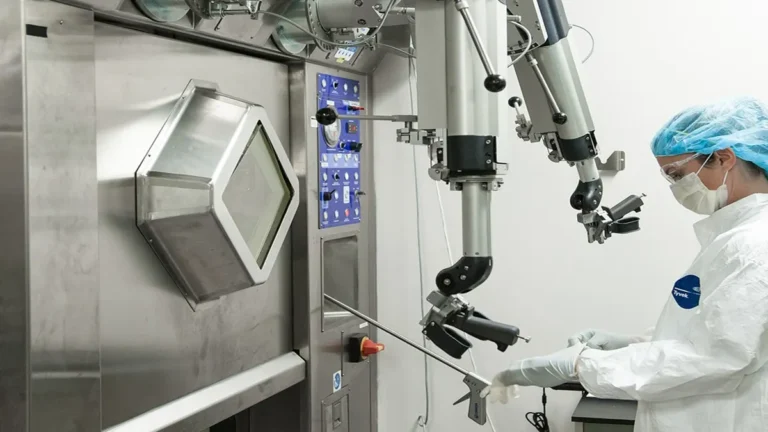
Ultragenyx has set the list price for Genglycos at $2.7 million per treatment. While high, this price point reflects the "one-and-done" nature of gene therapy, which aims to provide a lifetime of benefit in a single intervention. The therapy will be manufactured at the company’s internal facility in Bedford, Massachusetts, with commercial availability expected within 30 to 60 days.
Furthermore, the receipt of a priority review voucher—typically valued at approximately $200 million in recent market transactions—provides Ultragenyx with a significant financial asset. CFO Howard Horn confirmed the company’s intent to monetize this voucher, which will provide additional capital to reinvest in the company’s R&D pipeline.
Implications for the Rare Disease Pipeline
The approval of Genglycos is not just a win for GSDIa patients; it serves as a bellwether for Ultragenyx’s broader portfolio and the future of gene therapy for metabolic disorders.
Expanding Horizons: MPS III and Angelman Syndrome
Wall Street analysts are already looking toward the next milestones for the Novato-based firm. William Blair analyst Sami Corwin notes that the company’s progress with UX111, a therapy for mucopolysaccharidosis type III (Sanfilippo syndrome type A), remains a major focus for investors. Following a manufacturing-related setback last year, the resubmitted application for UX111 is expected to see an FDA decision in September.
Additionally, the medical community is awaiting data from a pivotal study of GTX-102, an antisense oligonucleotide for Angelman syndrome. As a condition with no currently approved therapies, a positive outcome in the upcoming September or October readout could further cement Ultragenyx’s status as a leader in the treatment of rare, complex, and previously intractable genetic disorders.
The Future of Metabolic Care
The success of Genglycos proves that the "kitchen table" management of metabolic diseases is nearing its end. As gene therapy technology matures, the focus will increasingly shift from managing symptoms to repairing the body’s fundamental metabolic architecture. For the families who have spent years measuring cornstarch and monitoring blood sugar every few hours, the approval of Genglycos is more than just a regulatory milestone—it is the restoration of normalcy and the promise of a future defined by biological health rather than dietary necessity.
As Ultragenyx moves toward the commercial launch of its first gene therapy, the entire biotech sector will be watching to see how successfully this high-cost, high-impact therapy integrates into the healthcare ecosystem, setting a precedent for the next generation of rare disease medicine.