The northern coastline of Venezuela, specifically the state of La Guaira, remains a landscape defined by jagged ruins and profound human suffering. More than a month after a pair of back-to-back, high-magnitude earthquakes tore through the region, the initial shock of the disaster has given way to a grueling, protracted humanitarian emergency. While the death toll has reached a staggering 3,889, the survivors now face a secondary crisis: a collapse of public health infrastructure and a desperate, widespread need for basic survival resources.
As nongovernmental organizations (NGOs) flood the hardest-hit areas, their presence signals a remarkable—albeit forced—shift in the political landscape of a nation that, until recently, viewed humanitarian intervention with deep suspicion.
The Anatomy of the Disaster: A Chronology of Destruction
The seismic events, which occurred on June 24, served as a catastrophic turning point for a country already reeling from years of political instability and economic decline. The twin earthquakes acted in rapid succession, catching the population off-guard and overwhelming the country’s already fragile infrastructure.
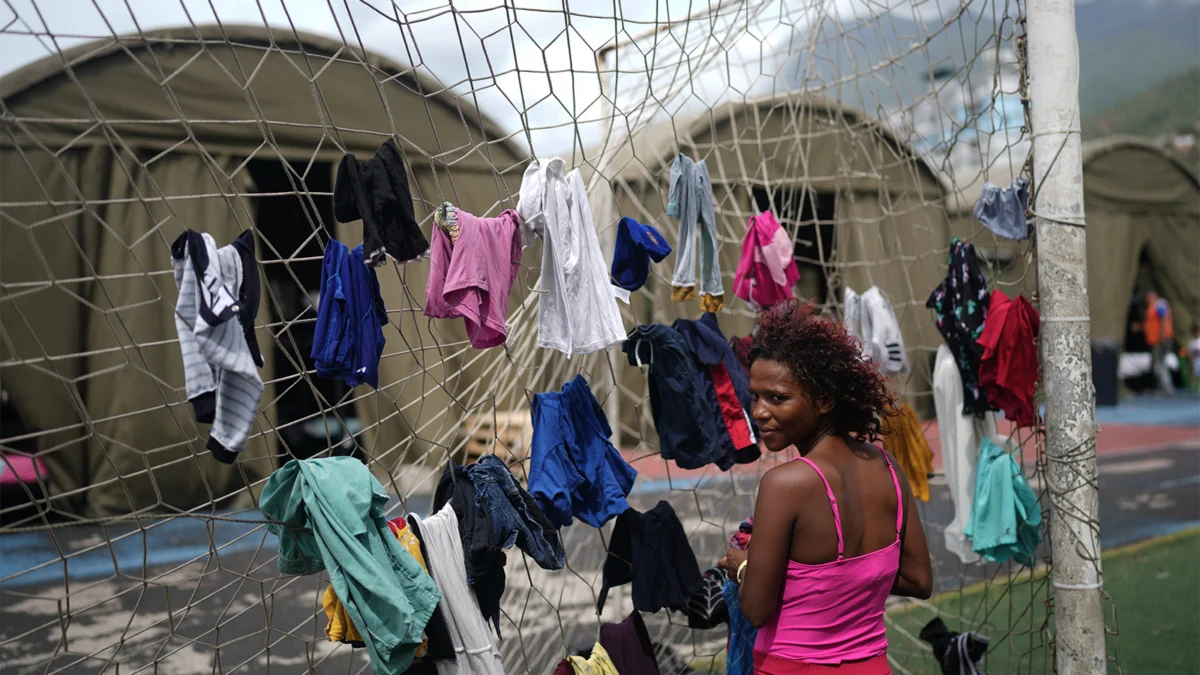
In the immediate aftermath, emergency responders struggled to navigate the wreckage of 190 collapsed buildings. According to official figures provided by the government of acting President Delcy Rodríguez, another 856 structures sustained significant damage, rendering them structurally unsound. The destruction was not merely architectural; it was systemic. The collapse of residential blocks and the subsequent displacement of 18,000 residents turned schools, public parks, plazas, and sidewalks into makeshift shelters.
For the first two weeks, the emergency response was characterized by search-and-rescue efforts. However, as the focus shifted from saving lives from the rubble to preserving the health of the living, the reality of the situation became clear: the disaster had effectively severed the link between the people and their medical providers.
The Second Wave: A Looming Public Health Crisis
As the initial trauma of the seismic event subsides, the medical landscape has shifted from treating acute fractures to managing chronic and infectious diseases. Tom Fletcher, the United Nations relief chief, highlighted the critical nature of this transition during his visit to Venezuela.
"It is clear at displacement sites that, particularly after two weeks, people are turning up because they haven’t been able to get their other treatments," Fletcher noted in an interview with the Associated Press. "They’re not turning up with just the fractures now; they’re turning up with those longer-term health needs. It is vital that we are there for them."
In the Catia La Mar community, doctors operating out of mobile clinics are witnessing a surge in preventable ailments. Skin conditions and diarrheal diseases are rampant, exacerbated by the lack of clean water and the unsanitary, overcrowded conditions in which thousands are now forced to reside. Furthermore, there is an acute shortage of medication for chronic conditions such as diabetes and hypertension. For patients like 67-year-old Irma Echarri, who visited a mobile unit clutching empty bottles of eyedrops and pain relievers, the relief services are the only lifeline keeping her condition from spiraling into a medical emergency.
The physical toll of the earthquake is often accompanied by invisible wounds. Zulbey Reyes, 41, who lost her job as a nanny during the disaster, sought help at a clinic run by the local NGO Paluz in partnership with the International Rescue Committee. After suffering from persistent chest pain, she was diagnosed not with cardiac failure, but with severe nerve inflammation—a direct result of the psychological trauma experienced during the screams and chaos of the June 24 tremors.
The Human Cost: Supporting Data and Economic Impact
The scale of the destruction is quantified by both the loss of life and the economic devastation. The United Nations Office for Disaster Risk Reduction has pegged the direct physical damage to housing and public infrastructure at approximately $37 billion. In a country already struggling with hyperinflation and a long-standing economic crisis, this damage represents a hurdle that could take years, if not decades, to clear.
The human workforce tasked with addressing this crisis has also been decimated. Armando Denegri, a representative of the Pan American Health Organization (PAHO) in Venezuela, delivered a sobering assessment: "50% of the health professionals in La Guaira were directly affected by the earthquakes." Many of these medical workers lost their homes, their family members, or, in the most tragic cases, their lives. This loss of human capital has severely hampered the ability of the Venezuelan state to provide a localized, sustainable medical response.
Shifting Geopolitics: The Role of International Aid
The humanitarian response has become an unlikely theater for geopolitical cooperation. The United Nations has launched an urgent appeal for $300 million to assist 1.3 million people in desperate need. According to UN officials, the United States has emerged as the leading contributor of aid, a reality that stands in stark contrast to the historical tensions between the two nations.
Much of this aid is being funneled through local groups that have successfully partnered with international humanitarian agencies. This development is perhaps the most striking aspect of the post-earthquake environment. Under the administration of former President Nicolás Maduro, Venezuela frequently accused NGOs of being conduits for foreign subversion, leading to the expulsion of human rights offices and the systematic repression of civil society.
However, the magnitude of the disaster has forced a temporary suspension of these hostilities. "When you have a crisis of this magnitude, people put the politics to one side and are able to focus on saving as many lives as possible," Fletcher remarked. This newfound space for operation allows organizations to reach the 18,000 displaced citizens who currently occupy the streets of La Guaira and beyond.
Implications for Venezuela’s Future
The earthquakes have forced the Venezuelan government to confront a harsh reality: the state lacks the capacity to manage a disaster of this magnitude alone. By allowing NGOs and international bodies like the UN and PAHO to operate with a level of freedom unseen in recent years, the administration is tacitly admitting the limits of its own infrastructure.
However, the question remains whether this openness is a permanent shift or merely a pragmatic concession to an overwhelming catastrophe. The long-term implications are manifold:
- Urban Reconstruction: With 190 buildings destroyed and hundreds more damaged, Venezuela faces a massive housing crisis. The current reliance on public spaces for shelter is unsustainable, particularly as the rainy season approaches.
- Health System Reform: The pre-existing poor sanitation and water infrastructure that predated the earthquake must be addressed to prevent further outbreaks of disease. The international community is likely to tie future funding to structural improvements in these sectors.
- Political Fragility: The government’s ability—or inability—to oversee an effective recovery effort will likely dictate the political mood in the coming months. If the humanitarian aid succeeds in stabilizing the population, it may buy the government time; if the aid proves insufficient or is perceived as mismanaged, it could spark renewed civil unrest.
Conclusion
As Venezuela enters the second month of its recovery, the images of mobile kitchens and field hospitals in La Guaira serve as a testament to both human resilience and international solidarity. The path forward is fraught with obstacles: a crumbling economy, a decimated medical workforce, and the physical scar of a disaster that claimed nearly 4,000 lives.
While the "politics of the earthquake" have allowed for a temporary detente between the government and international aid organizations, the true test will be the transition from emergency relief to long-term reconstruction. For survivors like Irma Echarri and Zulbey Reyes, the future is not defined by geopolitical maneuvering, but by the daily struggle to access the medicine, shelter, and security that they have been so cruelly denied. The international community’s commitment to this $300 million appeal will be the deciding factor in whether Venezuela can rebuild its foundations or whether the scars of June 24 will remain a permanent feature of the nation’s landscape.