









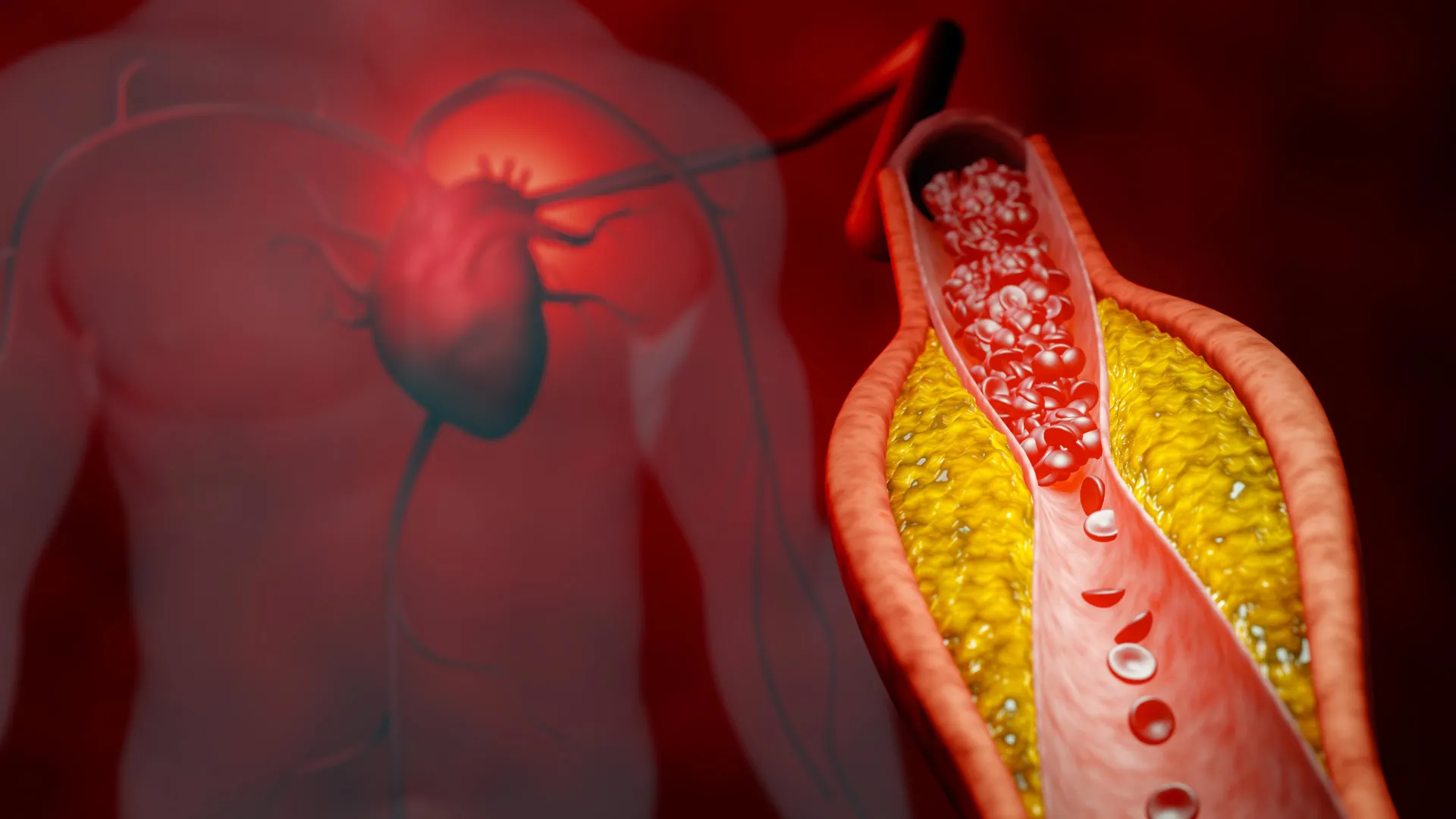
High cholesterol remains one of the most pervasive silent killers in modern medicine. For decades, it has operated as a "silent architect" of cardiovascular disease, slowly depositing fatty plaques within arterial walls—a process known as atherosclerosis—long before a patient experiences the life-altering symptoms of a heart attack or stroke.
Now, a collaborative effort between researchers at the University of Barcelona and the University of Oregon has unveiled a pioneering experimental strategy that could fundamentally change how we manage "bad" cholesterol. By utilizing sophisticated DNA structures known as polypurine hairpins (PPRHs), the research team has successfully suppressed a key protein responsible for elevated cholesterol, offering a potential therapeutic alternative to the current standard of care.
The Role of PCSK9: The Body’s Cholesterol Regulator
To understand the significance of this breakthrough, one must first look at the biological mechanisms of cholesterol metabolism. Low-density lipoprotein cholesterol (LDL-C)—the "bad" cholesterol—circulates in the bloodstream, waiting to be cleared by the liver. The liver achieves this clearance through specialized structures on the surface of its cells called LDL receptors (LDLR).
However, the human body produces a regulatory protein called PCSK9 (protein convertase subtilisin/kexin type 9). In the delicate balance of human physiology, PCSK9 acts as a biological "saboteur." It binds to LDL receptors and triggers their degradation. When these receptors are destroyed, they are no longer available to "mop up" circulating cholesterol. Consequently, levels of LDL-C in the blood spike, setting the stage for arterial damage.
Over the past decade, PCSK9 has emerged as the "holy grail" of cardiovascular drug development. If scientists can inhibit PCSK9, they can preserve more LDL receptors, allowing the liver to extract cholesterol from the bloodstream more efficiently.
The Innovation: Polypurine Hairpins (PPRH)
While current clinical approaches to PCSK9 inhibition rely largely on monoclonal antibodies or small interfering RNA (siRNA), the research team—led by Professors Carles J. Ciudad and Verónica Noé of the University of Barcelona, alongside Nathalie Pamir of the University of Oregon—has pivoted toward a novel class of molecules: polypurine hairpins.
PPRHs are short, single-stranded DNA molecules. Unlike complex biological drugs, these molecules are engineered to be highly specific. They are designed to recognize and bind to precise sequences of DNA or RNA. Once they "lock on" to their target, they physically interfere with the cell’s ability to transcribe the genetic instructions for PCSK9.
In their study, published in the journal Biochemical Pharmacology, the researchers focused on two specific hairpins: HpE9 and HpE12. These molecules were designed to bind to the exons of the PCSK9 gene. By occupying these specific genetic "addresses," the PPRHs effectively block the machinery—such as RNA polymerase—that would normally turn the gene "on," thereby stopping the production of the PCSK9 protein at the source.
Chronology of the Research Development
The path to this discovery was a multi-year project supported by the Spanish Ministry of Science, Innovation and Universities (MICINN) and the National Institutes of Health (NIH) in the United States.
- Initial Design Phase: Researchers identified specific polypyrimidine sequences within exons 9 and 12 of the PCSK9 gene that were suitable for targeting via Watson-Crick base pairing.
- In Vitro Testing: The team first validated the efficacy of HpE9 and HpE12 in HepG2 cells, a human liver cell line. The results were striking: HpE12 demonstrated a 74% reduction in PCSK9 RNA levels and an 87% reduction in protein levels.
- In Vivo Validation: Moving from the petri dish to animal models, the researchers utilized transgenic mice engineered to express human PCSK9. This was a critical step to ensure that the human-specific DNA design would function correctly in a living organism.
- Publication and Peer Review: Following rigorous testing and data analysis, the findings were finalized and published, signaling to the broader scientific community that a new, potentially non-immunogenic gene-silencing tool had arrived.
Supporting Data: The 47% Success Rate
The potency of the HpE12 molecule was the standout finding of the study. According to Professor Verónica Noé, the results were not merely statistically significant but clinically profound.
"In the case of transgenic mice, a single injection of HpE12 reduces plasma PCSK9 levels by 50% and cholesterol levels by 47% on the third day," Noé stated. This rapid response indicates that the PPRH approach could be highly efficient. By increasing the density of LDL receptors on the surface of liver cells, the treatment facilitated a rapid "clearance" event, where the blood was essentially scrubbed of excess LDL cholesterol.
This data is particularly compelling because it demonstrates that the intervention is not just theoretical—it produces a tangible, measurable physiological change in a living system within a very short timeframe.
Official Perspectives and Expert Commentary
The research team emphasizes that while the field of cholesterol management is becoming increasingly crowded, the unique properties of PPRHs give them a distinct edge over current treatments like statins or even modern biologics.
"PPRHs, especially HpE12, are therapeutic oligonucleotides with many advantages," Professor Ciudad noted. "They include low cost of synthesis, stability, and lack of immunogenicity."
One of the most significant drawbacks of traditional statin therapy is the prevalence of side effects, most notably myopathy (muscle pain and weakness), which leads many patients to abandon their treatment. Because the PPRH approach is a highly specific genetic intervention rather than a broad-spectrum chemical drug, the researchers argue that it avoids the systemic metabolic interference that often causes statin-related side effects.
Furthermore, compared to monoclonal antibodies, which can be expensive to manufacture and may trigger immune responses over long-term use, the DNA-based nature of PPRHs offers a cleaner, potentially more sustainable profile.
Implications for Future Cardiovascular Care
The implications of this study are twofold: first, it confirms the viability of PPRHs as a gene-silencing platform; and second, it offers a potential new therapeutic pathway for patients who are resistant to, or intolerant of, conventional cholesterol-lowering drugs.
A Personalized Approach to Genetics
The modular nature of PPRHs means they could eventually be tailored to other genetic conditions. If the technology proves safe in human trials, it could herald a new era of "precision cardiology," where treatments are not just aimed at symptoms but at the specific genetic expression patterns driving disease in individual patients.
Challenges Ahead
Despite the optimism surrounding these results, the road to the clinic is long. The research team is the first to acknowledge that these findings are currently limited to animal models. Transitioning from mice to humans involves complex hurdles, including:
- Delivery Mechanisms: Ensuring the PPRHs reach the liver in humans as effectively as they did in the transgenic mouse model.
- Safety Profiles: Conducting long-term toxicity studies to ensure that blocking PCSK9 via this method does not have off-target effects on other genes.
- Clinical Trials: A multi-phase clinical trial process is required to determine the optimal dosage and to prove that the reduction in LDL cholesterol translates to a reduction in clinical events like heart attacks.
Conclusion: A New Tool in the Arsenal
The development of HpE12 as a cholesterol-lowering agent represents a significant milestone in biotechnology. While the medical community currently relies on statins, monoclonal antibodies, and siRNAs to manage lipid levels, the addition of a DNA-based "hairpin" technology provides a promising alternative.
If future studies in human subjects mirror the success seen in the laboratory, targeting PCSK9 with polypurine hairpins could offer millions of people a more effective, safer, and perhaps more affordable way to protect their cardiovascular health. As the research transitions into its next phase, the medical community will be watching closely to see if these tiny DNA molecules can indeed provide a robust defense against the silent progression of heart disease.