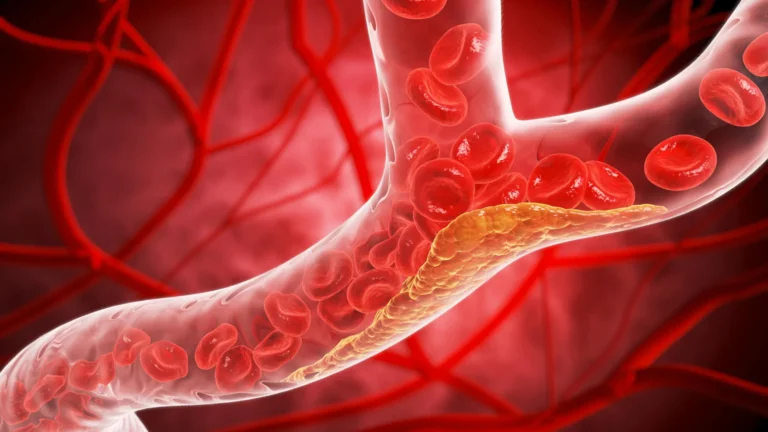










In the modern era, cardiovascular disease remains the leading cause of mortality globally, often attributed to the "usual suspects": high cholesterol, hypertension, and sedentary lifestyles. However, a landmark study involving nearly half a million participants has unveiled a more insidious culprit: chronic inflammation, a biological state often triggered by the invisible pressures of everyday life.
Led by researchers at the MRC Laboratory of Medical Sciences (LMS) and Imperial College London, this massive analysis suggests that the stresses of socioeconomic status, mental health, and environmental factors are not merely abstract stressors—they leave a tangible, physical imprint on the architecture of the human heart.
The Invisible Toll: Decoding the Research
The study, which stands as the largest of its kind, utilized data from the UK Biobank to bridge the gap between social determinants of health and clinical cardiac outcomes. By examining blood markers, genetic data, and sophisticated heart imaging, researchers identified a "hidden" pathway through which chronic stress transforms into long-term cardiovascular damage.
At the center of this investigation was the measurement of glycoprotein acetyls (GlycA), a blood marker that acts as a barometer for systemic inflammation. Unlike acute inflammation, which acts as the body’s first responder to injury or infection and then subsides, chronic inflammation remains in a state of low-level, persistent activation. This state, researchers found, is not merely a symptom of poor health but a primary driver of structural cardiac remodeling.
The Chronology of Silent Damage
One of the most concerning aspects of the findings is the timeline of the damage. The study reveals that the physical changes to the heart—such as the thickening of heart walls and the reduction in chamber size—often occur years before a patient presents with clinical symptoms.
Phase 1: The Onset of Systemic Stress
The process begins with the "social and psychological input." Socioeconomic disadvantage, chronic mental health strain, and lifestyle habits like smoking or inactivity create a sustained, low-level immune response. The body, unable to "switch off" this defense mechanism, enters a state of perpetual alert.
Phase 2: The Silent Remodeling
Over months and years, the heart begins to adapt to this inflammatory environment. The researchers observed "poorer heart filling" and structural thickening—changes that are often asymptomatic. During this phase, the patient may feel entirely healthy, even as the heart muscle begins to lose its efficiency and elasticity.
Phase 3: The Clinical Threshold
The final stage is the crossing of the threshold into overt disease. Because the heart has been structurally compromised for years, the transition to heart failure, or the occurrence of a sudden heart attack or stroke, often appears spontaneous. However, the data confirms these events are frequently the culmination of a decade or more of silent, inflammation-driven decay.
Supporting Data: The 43% Risk Factor
The statistical correlation uncovered by the research is stark. When comparing the top 20% of participants with the highest inflammation levels against the bottom 20%, the researchers discovered a 43% increase in the risk of heart attack and stroke.
Crucially, this elevated risk persisted even after adjusting for traditional cardiovascular risk factors. This suggests that inflammation is an independent and vital variable in heart health. Furthermore, the study identified specific inflammatory proteins within the interleukin-1 and TNF families as primary drivers of this remodeling, providing potential targets for future pharmacological interventions.
Official Responses and Scientific Perspective
The implications of the study have sent ripples through the cardiovascular research community. Professor Declan O’Regan, British Heart Foundation Chair of Cardiovascular AI at Imperial College London and Head of the Computational Cardiac Imaging Group at the LMS, emphasized the gravity of the findings.
"Our study suggests that millions of people could be living with hidden inflammation, which is slowly changing their heart and causing long-term damage," Professor O’Regan stated. "Chronic inflammation is complicated, but we know it’s tied to our health and driven by a range of lifestyle and economic factors—meaning people may be at more risk just because of their surroundings, their economic status, their family’s health, and their lifestyle."
Adding to this, Professor Bryan Williams, Chief Scientific and Medical Officer at the British Heart Foundation, highlighted the duality of the immune response. "Inflammation is part of the body’s healing process, but there is also a darker side to it," he noted. "This research provides valuable insights into how our genes and lifestyle factors can converge to trigger inflammation. It is to be hoped that anti-inflammatory medicines could become an important tool in preventing cardiovascular disease."
Implications for Public Health and Medicine
The findings shift the paradigm of heart health from a focus solely on "plumbing" (arteries and blockages) to a more holistic view of "systemic biology."
1. Diagnostic Innovation
The researchers propose that routine blood tests for inflammatory markers, such as GlycA, could be integrated into standard health screenings. When combined with genetic risk scores, clinicians could identify "at-risk" individuals decades before a heart attack occurs. This would allow for proactive, rather than reactive, medicine.
2. Targeting the Immune System
Perhaps the most optimistic implication involves the pharmaceutical industry. Several inflammatory proteins identified in the study, particularly those in the interleukin-1 and TNF families, are already being targeted in clinical trials for other conditions. Repurposing these anti-inflammatory therapies could represent a breakthrough in preventive cardiology, potentially stabilizing heart structure before damage becomes irreversible.
3. Addressing the Social Determinants
The study serves as a call to action for policymakers. Because inflammation is so deeply tied to socioeconomic status and mental health, cardiovascular health is revealed to be a social justice issue. Improving access to mental health services, addressing poverty, and reducing environmental stressors are no longer just social welfare goals—they are legitimate medical interventions for heart disease prevention.
4. Personal Agency
While the study acknowledges that genetics play a role in how resilient an individual is to inflammatory damage, it stresses that these factors do not equate to destiny. Lifestyle modifications—such as smoking cessation, weight management, and physical activity—remain the most accessible ways to "switch off" the inflammatory response.
Conclusion: A New Frontier in Cardiology
The research conducted by the LMS and Imperial College London marks a turning point in our understanding of the human heart. By linking the microscopic world of inflammatory proteins with the macroscopic realities of daily life, scientists have provided a roadmap for a new era of prevention.
The heart, it seems, is a biological archive of our experiences. While the damage caused by chronic stress and systemic inflammation is significant, it is not inevitable. By identifying the silent signals of inflammation early and addressing the socioeconomic and lifestyle drivers that fuel them, the medical community has a renewed opportunity to curb the rising tide of cardiovascular disease. The future of heart health may not just lie in the surgeon’s theater, but in our ability to manage the inflammatory echoes of our everyday lives.
The study was funded by the Medical Research Council and the British Heart Foundation. Additional support was provided by the NIHR Imperial Biomedical Research Centre, a translational research partnership between Imperial College Healthcare NHS Trust and Imperial College London.