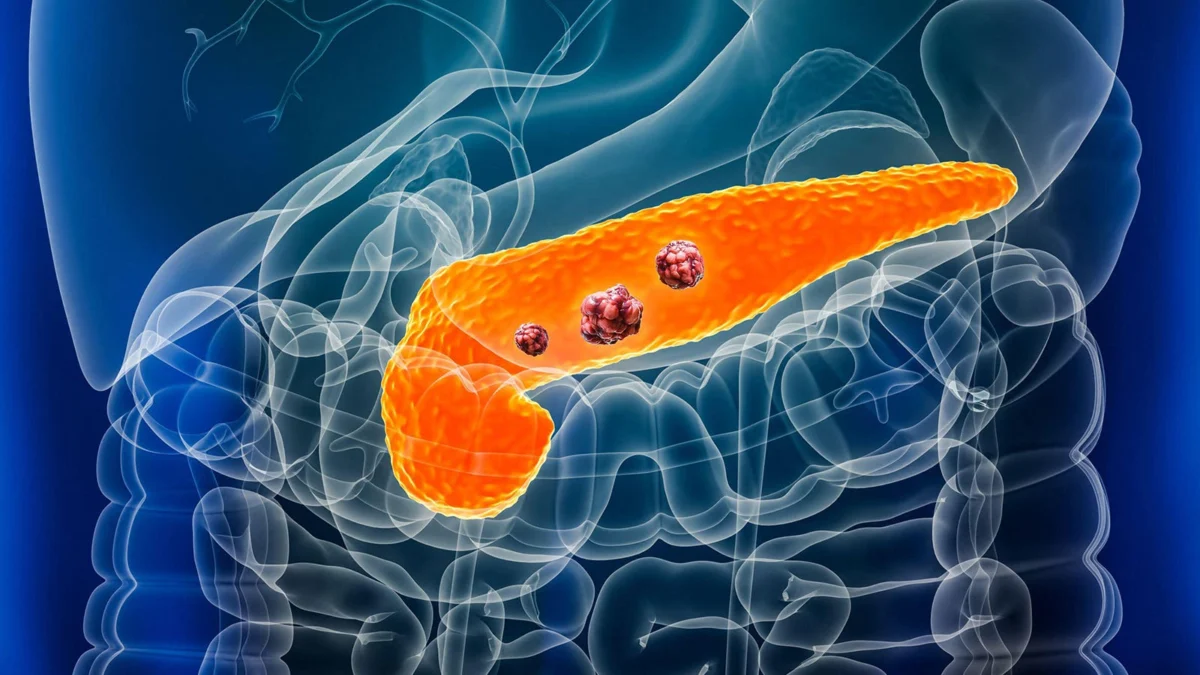
August 26, 2026 — In a landmark development for oncology, the U.S. Food and Drug Administration (FDA) has granted approval for daraxonrasib (Rasonque), the first-in-class RAS inhibitor designed specifically to combat metastatic pancreatic ductal adenocarcinoma (PDAC). This approval marks a pivotal shift in the therapeutic landscape for the most common and aggressive form of pancreatic cancer, offering renewed hope to patients who have historically faced extremely limited treatment options.
The approval, which arrived 6.5 months ahead of the scheduled user fee deadline, underscores the FDA’s strategic commitment to expediting life-saving therapies for high-unmet-need malignancies. For the medical community and patients alike, daraxonrasib represents not just a new drug, but a fundamental change in how clinicians approach the genetic drivers of pancreatic cancer.
Main Facts: A Paradigm Shift for PDAC Patients
Pancreatic ductal adenocarcinoma has long been considered one of the most difficult cancers to treat, characterized by rapid progression and significant resistance to traditional chemotherapeutic agents. The core issue has historically been the RAS mutation, a genetic driver present in the vast majority of PDAC cases that has remained notoriously "undruggable" for decades.
Daraxonrasib changes this equation by targeting multiple isoforms of the RAS protein. The FDA’s approval is specifically indicated for:
- Adults diagnosed with metastatic PDAC who have previously undergone at least one systemic therapy regimen.
- Patients who are deemed ineligible for multiagent systemic therapy.
As an oral medication, daraxonrasib offers a more manageable delivery method compared to traditional intravenous chemotherapy, potentially improving the quality of life for patients already burdened by the systemic side effects of previous treatments.
The RASolute 302 Chronology: From Clinical Trial to Standard of Care
The trajectory of daraxonrasib from a promising experimental molecule to a standard-of-care treatment has been remarkably swift, fueled by clear and compelling data from the RASolute 302 trial.
Early Foundations and Trial Design
The RASolute 302 trial was designed to evaluate the efficacy of daraxonrasib against the investigator’s choice of chemotherapy in a second-line setting. By focusing on patients with metastatic PDAC associated with RAS G12 mutations, researchers sought to determine if inhibiting the pathway directly responsible for tumor growth would result in superior outcomes compared to the "standard of care" chemotherapy options that have dominated the field for years.
The ASCO Presentation
The clinical data reached a crescendo at the American Society of Clinical Oncology (ASCO) annual meeting earlier this year. When the results were unveiled, they were met with immediate acclaim. Dr. Brian Wolpin of the Dana-Farber Cancer Institute, who presented the findings, noted that the data unequivocally supported the drug’s role as a new cornerstone in therapy. Dr. Julie Gralow, chief medical officer of ASCO, famously described the findings as a "grand slam," signaling to the global oncology community that a breakthrough had finally arrived.
The Path to Approval
Recognizing the urgency of the situation, the FDA took the rare step of announcing an expanded access program in May 2026. This allowed the manufacturer, Revolution Medicines, to provide the drug to patients even before the final regulatory seal was placed. This bridge program ensured that those with the most advanced disease could access the inhibitor while the formal FDA review process concluded, a gesture of regulatory flexibility that prioritized patient welfare.
Supporting Data: By the Numbers
The efficacy data generated by the RASolute 302 trial serves as the primary pillar for the FDA’s decision. The findings were statistically significant across all primary and secondary endpoints.
Survival Outcomes
- Overall Survival (OS): Patients receiving daraxonrasib saw their median OS double compared to those on chemotherapy—13.2 months versus 6.7 months, respectively (P<0.001). This represents a major clinical milestone in a disease where median survival in the second-line setting has historically been measured in weeks or a few months.
- Progression-Free Survival (PFS): The secondary endpoint, PFS, showed a greater than twofold improvement. Patients in the daraxonrasib arm maintained disease control for a median of 7.2 months, compared to only 3.6 months in the chemotherapy control arm (P<0.001).
Breadth of Efficacy
Crucially, the magnitude of the survival benefits observed in the RAS G12 mutation cohort was mirrored in the broader study population, which included patients with less common RAS mutations. This indicates that the drug’s mechanism of action—targeting multiple isoforms of the RAS protein—is broadly applicable, potentially expanding the pool of eligible patients beyond those with the most common genetic profiles.
Safety Profile and Tolerability
A critical component of the FDA review was the safety profile of daraxonrasib. In cancer treatment, particularly for advanced metastatic disease, balancing efficacy with quality of life is paramount.
The trial data indicated that skin rash was the most common treatment-related adverse event (TRAE), occurring in 85.5% of patients. While high, these reactions were largely manageable. More severe grade ≥3 adverse events included rash (13.7%) and stomatitis (12%).
Perhaps most telling was the comparative data on treatment discontinuation. Only 1.2% of patients in the daraxonrasib arm were forced to stop treatment due to toxicity, compared to a staggering 11.2% in the chemotherapy arm. This suggests that for many patients, daraxonrasib is not only more effective but also significantly better tolerated than current conventional options.
Official Responses and Expert Commentary
The approval has been met with universal praise from the oncology community, reflecting a shared sense of victory over a historically intractable disease.
Dr. Angelo de Claro, director of the FDA’s Oncology Center of Excellence, emphasized the alignment between the clinical data and the agency’s mission. "This drug showed unprecedented results in an area of high unmet need," he stated. "The approval demonstrates the FDA’s commitment to accelerating the approval of new cancer treatments for patients with serious and life-threatening conditions."
Dr. Rachna Shroff of the University of Arizona Cancer Center provided essential context regarding the significance of the trial. According to Dr. Shroff, the RASolute 302 results represent more than just a successful drug launch; they provide "proof of principle that targeting the RAS signaling pathway is critical in the treatment of pancreatic cancer." She praised the study for checking every box—relevant endpoints, meaningful survival data, and clear clinical benefit—calling it an "incredibly impactful study for our patients."
Implications: A New Era for Pancreatic Cancer Research
The approval of daraxonrasib marks the end of a long period of stagnation in pancreatic cancer research and the beginning of a new, targeted era.
1. Validating the RAS Pathway
For decades, researchers believed the RAS protein was impossible to target due to its structure. The success of daraxonrasib proves that molecular targeting is viable, which will likely incentivize pharmaceutical companies to invest further in RAS-related pathways and combination therapies.
2. A Change in Treatment Algorithms
Oncologists must now integrate genetic testing into their standard diagnostic workflow for all PDAC patients. Since daraxonrasib targets RAS isoforms, understanding the specific mutation profile of a patient’s tumor is no longer just for academic interest—it is a prerequisite for selecting the most effective second-line therapy.
3. The Future of Combination Therapy
The success of a single-agent RAS inhibitor is only the first step. Researchers are already looking toward the future, speculating on how daraxonrasib might be combined with other immunotherapies or targeted agents to achieve even greater survival outcomes. If the second-line success can be replicated in the first-line setting, the standard of care for pancreatic cancer could undergo a complete overhaul within the next few years.
4. Regulatory Precedents
Finally, the speed of this approval provides a template for future drug development. By utilizing expanded access programs and maintaining a collaborative dialogue between the manufacturer and the FDA, the regulatory process can be streamlined without sacrificing safety standards.
As we look toward the remainder of 2026 and beyond, daraxonrasib stands as a testament to what is possible when rigorous science meets the urgent, unmet needs of patients. For those battling the most formidable of cancers, the arrival of this first-in-class inhibitor provides something that was previously in short supply: time, hope, and a path forward.