In a landmark study published in Nature Immunology, an interdisciplinary team of researchers has unveiled a biological mechanism that upends one of the most foundational tenets of immunology. For decades, the medical community has operated under the "division of labor" model: Major Histocompatibility Complex (MHC) class I molecules communicate with CD8+ "killer" T cells, while MHC class II molecules activate CD4+ "helper" T cells.
New research led by Dr. Pavan Reddy, director of the Dan L Duncan Comprehensive Cancer Center at Baylor College of Medicine (BCM), in collaboration with Dr. Arul Chinnaiyan and Dr. Marcin Cieslik of the University of Michigan Rogel Cancer Center, suggests this binary system is far more integrated than previously understood. By identifying a previously unrecognized role for the MHC class I pathway in CD4+ T cell-driven responses, the team has not only exposed a hidden vulnerability in cancer cells but has also paved the way for a new generation of immunotherapies and safer bone marrow transplantation protocols.
The Core Discovery: Challenging the Binary Paradigm
The traditional understanding of the immune system is based on strict surveillance. MHC molecules serve as the "identity cards" for cells, presenting fragments of proteins to T cells to determine if a cell is healthy, infected, or malignant. The established dogma dictates that MHC I presents internal cellular contents to CD8+ cytotoxic T cells, while MHC II presents external, captured material to CD4+ helper T cells.
This classification has been the cornerstone of oncology research, particularly in the development of checkpoint inhibitors, which aim to "unmask" tumors to the immune system. However, the multi-year collaborative project—which included significant contributions from graduate researchers Emma Lauder, Meng-Chih Wu, and Mahnoor Gondal—discovered that when cancer cells deliberately downregulate MHC I to evade CD8+ T cells, they inadvertently trigger a lethal "trapdoor" response involving CD4+ T cells.
The Mechanism of Ferroptosis
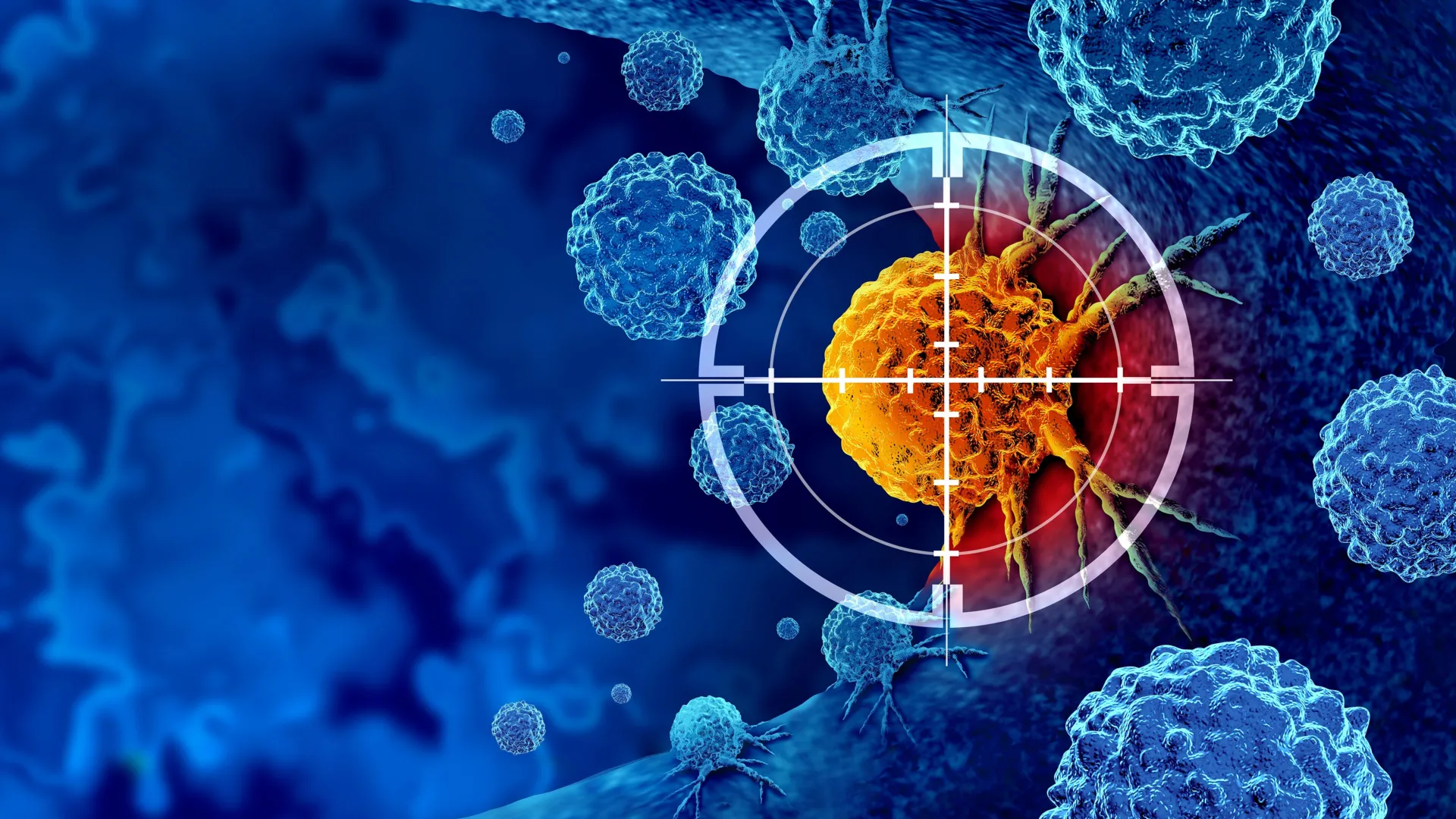
The research team found that when MHC I expression is suppressed, cancer cells do not become invisible to the immune system as previously assumed. Instead, they become highly susceptible to a specialized, iron-dependent form of programmed cell death known as ferroptosis.
CD4+ T cells, typically viewed as coordinators of the immune response, are capable of inducing this oxidative stress-driven destruction. This finding suggests that the immune system possesses a "fail-safe" mechanism: when a tumor attempts to evade the primary "killer" branch of the immune system by hiding its MHC I "identity cards," it shifts its biology in a way that makes it uniquely vulnerable to the "helper" branch.
Chronology of the Research: A Multi-Year Effort
The journey to this discovery was neither quick nor straightforward. The research program involved a complex synthesis of transcriptomic analysis, functional studies in mouse models, and validation using human patient samples.
- Initial Observations (Year 1-2): The research team began by observing clinical data from patients who had failed to respond to standard immunotherapies. They noted that tumors often eliminated MHC I molecules as a survival tactic. However, longitudinal studies showed that these patients sometimes experienced unexpected, delayed immune responses.
- Experimental Modeling (Year 3-4): Working with mouse models, the team artificially suppressed MHC I in aggressive tumor cell lines. They observed that these tumors, while initially resistant to CD8+ cells, were rapidly cleared by CD4+ T cells. Further molecular profiling revealed the activation of ferroptosis pathways within the dying cancer cells.
- Transcriptomic Validation (Year 5): Dr. Chinnaiyan’s team at the University of Michigan utilized massive transcriptomic datasets from clinical trials involving checkpoint inhibitors. By cross-referencing patient outcomes with the presence of MHC I-loss signatures, they confirmed a significant correlation: patients whose tumors lacked MHC I but were infiltrated by CD4+ T cells showed distinct clinical trajectories.
- Peer Review and Publication (Final Phase): After rigorous verification of the pathways involved, the findings were submitted to Nature Immunology, where they underwent intensive scrutiny before being accepted as a significant departure from current immunological models.
Supporting Data and Evidence
The evidence for this discovery is rooted in both functional biology and large-scale data analytics. The team employed state-of-the-art transcriptomic sequencing to observe the gene expression changes occurring in cancer cells during the interaction with CD4+ T cells.
- Ferroptosis Markers: The researchers identified an upregulation of lipid peroxidation markers in cancer cells subjected to CD4+ T cell attack. These markers are the hallmark of ferroptosis, confirming that the cells were not undergoing traditional apoptosis (programmed cell death) but a distinct, iron-mediated destruction.
- The Allogeneic Factor: The team extended their study to graft-versus-host disease (GVHD), a life-threatening complication of bone marrow transplantation where the donor’s immune system attacks the recipient’s healthy tissues. They discovered that the same MHC I/CD4+ T cell mechanism drives the destruction of host tissue in these patients. This provides a dual-purpose insight: we can now potentially target this mechanism to stop cancer, or inhibit it to prevent transplant rejection.
- Clinical Correlation: In the analysis of solid tumor patients treated with checkpoint inhibitors, the team found that those with lower MHC I expression—who would traditionally be considered "non-responders" to immunotherapy—actually displayed unique clinical outcomes associated with this CD4+ T cell response.
Implications for Clinical Oncology and Transplantation
The implications of this discovery are vast, touching upon two of the most difficult challenges in modern medicine: treatment-resistant solid tumors and the complications of bone marrow transplants.
Redefining Immunotherapy
Current immunotherapy, such as PD-1/PD-L1 inhibitors, is largely focused on restoring CD8+ T cell activity. The research led by Dr. Reddy and his colleagues suggests that we have been overlooking a vital partner in this fight. If therapists can identify tumors that have downregulated MHC I, they may be able to steer treatment protocols toward activating CD4+ T cell responses, perhaps by combining immunotherapy with agents that modulate iron metabolism or ferroptosis pathways.
Transforming Bone Marrow Transplants
Graft-versus-host disease remains a significant barrier to the success of bone marrow transplantation. By identifying that CD4+ T cells use the MHC I pathway to induce tissue damage in GVHD, scientists may be able to develop prophylactic treatments that "shield" host tissues from this specific pathway without fully suppressing the patient’s entire immune system. This would allow for more effective cancer treatment while reducing the toxicity of the transplant process.
Official Responses and Future Outlook
"Our work, if further validated, will have implications for T cell-mediated immune responses beyond cancer and transplant immunology," said Dr. Pavan Reddy. "This may allow for the development of novel strategies that target MHC class I and CD4+ T cells to leverage the beneficial side of immunity or mitigate unwanted immune responses."
The scientific community has reacted with cautious optimism. Immunologists note that while the discovery is a significant paradigm shift, the translation of these findings into human clinical trials will require precise timing and delivery methods to ensure that the CD4+ T cell response is directed specifically at the tumor, rather than healthy tissue.
The research team, which includes an extensive list of contributors including Akira Yamamoto, Laure Maneix, Dongchang Zhao, and Yaping Sun, is already looking toward the next phase of development. Future studies will likely focus on identifying small-molecule inhibitors or biological agents that can modulate the ferroptosis pathway specifically within the tumor microenvironment.
Acknowledgments and Funding
This research was made possible by a robust support network, including significant grants from the National Institutes of Health (NIH), specifically awards P01CA039542, P01HL149633, and R01HL152605, among others. Furthermore, the Cancer Prevention and Research Institute of Texas (CPRIT) provided critical funding (grants RR220033 and RP240432), highlighting the importance of state-level support in fostering high-impact, long-term medical research.
The institutions involved—Baylor College of Medicine, the University of Michigan, and the Howard Hughes Medical Institute—have signaled their commitment to continuing this research. As the team moves forward, the focus will remain on bridging the gap between this fundamental discovery and the bedside, aiming to provide new hope for patients whose cancers have evolved to escape the reach of current standard-of-care treatments.
The discovery serves as a poignant reminder that even as we decode the complex language of the immune system, nature holds surprises that can redefine the boundaries of human knowledge and, ultimately, save lives. By shifting our focus from the "killer" to the "helper" T cell, we may have just unlocked a new chapter in the fight against malignancy.