










The release of the 9th edition of the Dietary Guidelines for Americans (2020-2025) marks a significant milestone in federal nutrition policy. With the overarching mandate to "Make Every Bite Count," this latest iteration—spanning nearly 150 pages—serves as the primary blueprint for healthcare providers, nutrition educators, and federal food assistance programs. While the document offers a comprehensive look at nutritional needs across the entire human life cycle, it has simultaneously ignited a fierce debate regarding the intersection of public health, environmental sustainability, and the influence of industrial food production.
Main Facts: A Shift Toward Lifespan Nutrition
At its core, the 2020-2025 Guidelines represent a strategic pivot toward life-stage nutrition. Unlike previous editions that often aggregated recommendations into broad age brackets, this version provides granular guidance for infants, children, adolescents, adults, and seniors. The philosophy remains rooted in dietary patterns rather than the isolated tracking of specific nutrients.
By shifting the focus to "nutrient-dense" eating habits, the government aims to move consumers away from the "superfood" trend—a marketing-driven concept that often leads to the overconsumption of a single trendy ingredient—and toward a holistic, flexible approach. This edition acknowledges that food is not merely fuel; it is a complex interplay of culture, accessibility, and economic reality. The document explicitly advises nutrition educators to account for the barriers that influence food choices, including race, cultural traditions, socioeconomic status, and geographic access to healthy options.
Chronology: The Evolution of Federal Nutrition Policy
To understand the significance of the 2020-2025 Guidelines, one must look at the trajectory of American nutrition policy:
- 1980: The USDA and the Department of Health and Human Services (HHS) publish the first Dietary Guidelines, setting a baseline for federal nutrition standards.
- 2015: The previous iteration sparked controversy for its attempt to integrate sustainability into the dialogue—a focus that was ultimately sidelined due to political pressure.
- 2020: The current edition is released, expanding its scope to cover the full life cycle, from birth through geriatric care.
- 2021-Present: The implementation phase, where the guidelines begin to reshape school lunches, SNAP (Supplemental Nutrition Assistance Program) allocations, and clinical dietary advice.
Throughout these decades, the Guidelines have evolved from a focus on avoiding deficiencies to managing chronic, diet-related diseases. However, critics argue that the pace of these changes has been glacial, failing to keep up with the latest advancements in nutritional science or the urgent requirements of climate science.
Supporting Data: The "Healthy U.S.-Style Pattern"
The guidelines continue to promote the "Healthy U.S.-Style Dietary Pattern," which emphasizes vegetables, fruits, grains (at least half of which should be whole grains), dairy, protein foods, and oils.
Dietary Components to Limit
The guidelines maintain strict limits on three primary culprits:
- Added Sugars: Recommended to be less than 10% of calories per day for individuals aged 2 and older.
- Saturated Fat: Recommended to be less than 10% of calories per day for individuals aged 2 and older.
- Sodium: The guidelines suggest an intake of less than 2,300 milligrams per day, with even stricter limits for children under 14.
While these targets are empirically sound for managing heart health and obesity, they lack the nuance required for a diverse American population. The data suggests that while the targets are clear, the execution remains flawed. The Guidelines still recommend three servings of dairy per day, a carry-over that experts suggest is based on tradition rather than the latest health outcome data.
Official Responses and Expert Critique
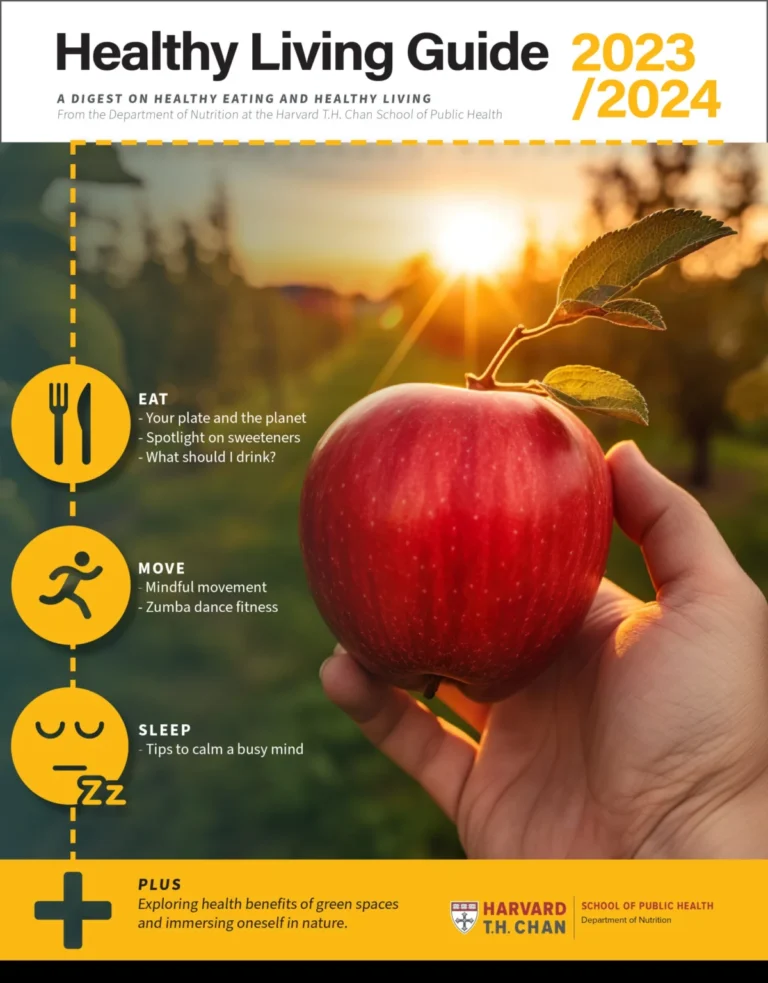
The release of these guidelines has drawn a mixed response from the scientific community. While organizations like the American Heart Association have lauded the focus on life-stage nutrition, experts at institutions like the Harvard T.H. Chan School of Public Health have offered sharp critiques.
Dr. Walter Willett, a Professor of Epidemiology and Nutrition, has been a vocal critic of the document’s stagnation. "In general, there was minimal change from the last edition," Willett noted. "Guidance that considers scientific evidence on specific protein sources and health, and also the environmental consequences of dietary patterns, is needed… The current Dietary Guidelines fail to do this."
The core of the scientific pushback centers on the Guidelines’ silence on sustainability. In an era where food production is a leading driver of greenhouse gas emissions, the omission of an environmental framework is seen by many as a missed opportunity to align personal health with planetary health.
Implications: The Missing Links in Public Health
The implications of these guidelines go far beyond the classroom or the doctor’s office. Because they dictate the nutritional standards for federal programs, they effectively shape the food supply for millions of low-income Americans.
The Sustainability Gap
The most glaring omission is the relationship between the "Healthy U.S.-Style Pattern" and the environment. The current recommendation for high levels of meat and dairy consumption carries a heavy carbon footprint. By failing to acknowledge that plant-based proteins—such as beans, lentils, and nuts—are both healthier and more sustainable, the government misses an opportunity to shift the agricultural narrative toward a more resilient food system.
The Logic of "Lean" Meats
The Guidelines recommend "lean" meats but fail to address the economic and systemic reality of the meat industry. If Americans are encouraged to consume only lean cuts, what happens to the remainder of the animal? Willett argues that the "disposal" of fatty cuts is a fantasy; these cuts inevitably remain in the food supply, likely destined for processed meats—hot dogs, sausages, and luncheon meats—that are disproportionately consumed by low-income populations.
The Guidelines bury the distinction between fresh, lean poultry and processed meats deep within their chapters. This lack of clear, front-and-center communication is dangerous. Research consistently shows that swapping red and processed meats for fish, poultry, or legumes significantly lowers the risk of premature death and chronic disease. By not highlighting this in the summary, the federal government may be inadvertently signaling that all "protein" is created equal.
Socioeconomic Barriers
Finally, the Guidelines attempt to be more inclusive by mentioning the impact of "food access" and "budget." However, for many Americans living in food deserts or struggling with food insecurity, the advice to purchase fresh, nutrient-dense foods remains an aspirational, rather than actionable, goal. A truly effective policy would bridge the gap between nutritional theory and the reality of the grocery store aisle, where processed foods are often cheaper and more shelf-stable than fresh produce.
Conclusion: A Policy at a Crossroads
The 2020-2025 Dietary Guidelines for Americans are a step forward in their recognition of the life cycle, but they remain tethered to an outdated, commodity-based view of nutrition. By focusing on traditional food groups rather than prioritizing evidence-based health outcomes and environmental sustainability, the guidelines risk becoming a document of convenience rather than a document of transformation.
For the American public, the takeaway is clear: while the federal guidelines provide a useful, if limited, baseline, the path to optimal health requires looking beyond these recommendations. A truly healthy diet for the 21st century must be one that accounts for the nuances of protein quality, the urgency of environmental stewardship, and the inescapable reality of economic accessibility. As we look toward the 2025-2030 cycle, the hope remains that policy makers will find the courage to prioritize the health of the planet alongside the health of the individual, creating a future where "making every bite count" truly benefits everyone.