











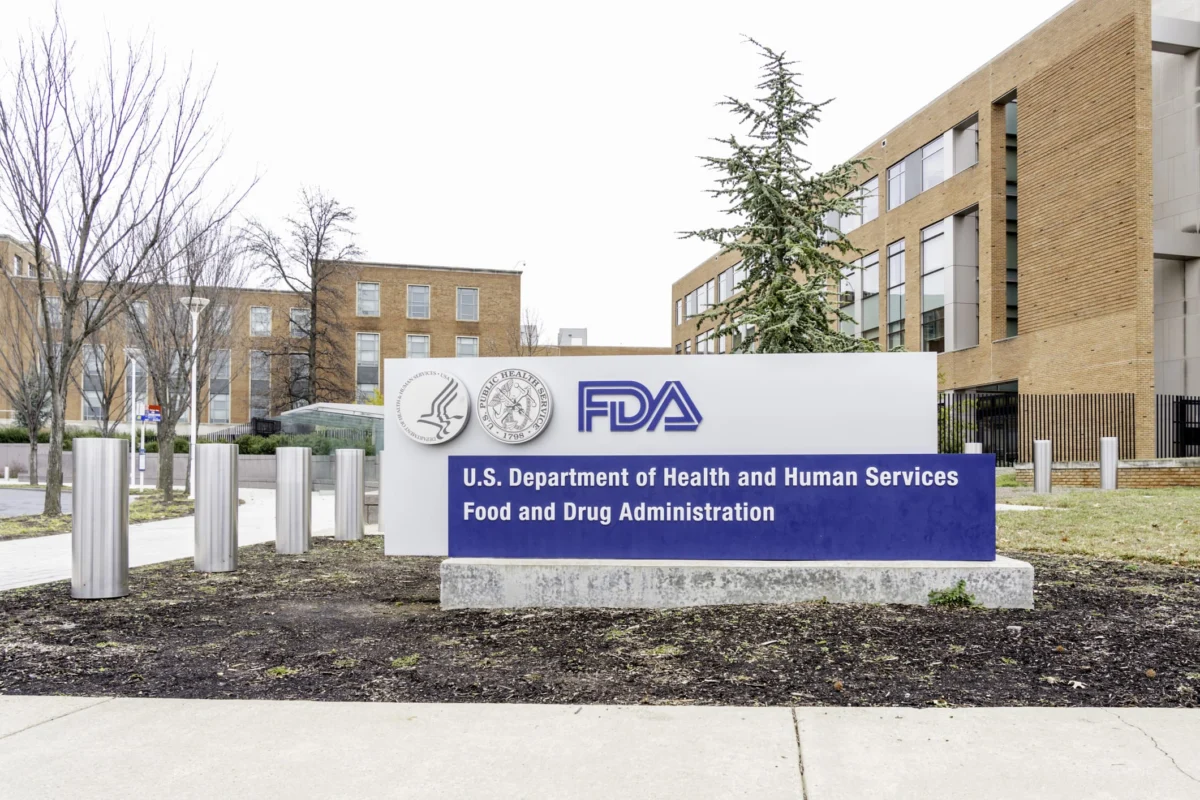
In a significant stride forward for sleep medicine, pharmaceutical developer Alkermes plc has announced a series of major regulatory milestones for its investigational drug, alixorexton. As an oral, selective orexin 2 receptor (OX2R) agonist, alixorexton is being positioned as a potential breakthrough in the treatment of chronic neurological sleep disorders, specifically narcolepsy type 1 (NT1), narcolepsy type 2 (NT2), and idiopathic hypersomnia (IH).
The recent granting of orphan drug designations by both the U.S. Food and Drug Administration (FDA) and the European Commission marks a pivotal moment in the development lifecycle of this compound. These designations serve not only as a validation of the drug’s scientific promise but also as a strategic catalyst to accelerate its path toward clinical availability for patient populations historically underserved by current therapeutic options.
The Core Facts: Understanding Alixorexton’s Regulatory Status
The recent regulatory news centers on two distinct geographic authorizations designed to incentivize the development of rare disease therapies. The FDA has granted orphan drug designation to alixorexton specifically for the treatment of idiopathic hypersomnia, a condition characterized by excessive daytime sleepiness despite adequate sleep duration. Simultaneously, the European Commission has granted the designation for the treatment of narcolepsy, covering both type 1 and type 2 manifestations.
These designations follow a previously established momentum for the drug. Notably, the FDA had already awarded alixorexton "breakthrough therapy designation" for the treatment of NT1, a status reserved for medicines that show substantial improvement over existing therapies in treating serious or life-threatening conditions.
For the patient community, these designations are more than bureaucratic checkboxes; they represent a formal acknowledgment of the clinical severity of these conditions and a commitment from regulatory bodies to facilitate the rapid development of innovative interventions.
A Chronology of Development: From Concept to Clinical Trial
The journey of alixorexton represents the typical, rigorous pathway of modern drug development, characterized by iterative testing and constant regulatory feedback.
- Pre-Clinical Foundation: Before entering human trials, researchers identified the orexin system—a neurotransmitter system responsible for regulating wakefulness—as the primary target. The degradation or loss of orexin-producing neurons is the hallmark of narcolepsy type 1. By developing an oral agonist that selectively targets the OX2R receptor, Alkermes aimed to mimic the natural wake-promoting signals that these patients lack.
- Phase 2 Success: The early human trials (Phase 2) were the proving ground for the drug’s efficacy. Results from these studies indicated that alixorexton could effectively increase wakefulness in patients with both NT1 and NT2, establishing the data set that would later support the breakthrough therapy designation.
- The Current Phase: As of late 2024, the development program has moved into advanced stages. The "Brilliance Studies" are currently enrolling and treating adult patients with NT1 and NT2, aiming to provide the robust data needed for potential New Drug Application (NDA) submissions. Concurrently, the "Vibrance-3" phase 2 study is assessing the drug’s safety and efficacy in the IH population, marking a critical expansion of the drug’s potential therapeutic scope.
Supporting Data: The Science of Orexin Agonism
To understand the excitement surrounding alixorexton, one must look at the underlying pathology of sleep disorders. Narcolepsy, particularly type 1, is fundamentally a disease of "instability." The brain struggles to maintain a stable state of wakefulness, leading to sudden transitions into sleep (cataplexy) or excessive sleepiness.
Traditional treatments for narcolepsy often focus on stimulants (to keep the brain alert) or sodium oxybate (to consolidate sleep). However, these treatments do not address the root cause: the loss of the orexin signaling pathway. Alixorexton is a "targeted" therapy. By binding to the OX2R receptors, the drug aims to restore the wake-promoting signals directly.
Data from the Phase 2 clinical trials, which Alkermes has referenced in its public statements, showed consistent performance across the studied cohorts. While the final Phase 3 data will be the definitive measure of success, the preliminary results have demonstrated a dose-dependent effect on sleep latency—the time it takes for a person to fall asleep—and subjective alertness scores. This mechanistic approach is what distinguishes alixorexton from generic stimulants and highlights why it has attracted such high levels of interest from neurologists and sleep specialists.
Official Perspectives: The Alkermes Stance
The leadership at Alkermes has been vocal about the significance of these regulatory milestones. Dr. Craig Hopkinson, MD, MBChB, chief medical officer and executive vice president of research and development, emphasized the broader context of these developments.
"Narcolepsy and idiopathic hypersomnia are rare, chronic neurological conditions for which significant unmet need remains," Dr. Hopkinson stated in a recent press release. "These orphan drug designations represent important milestones for the alixorexton program and underscore its potential, if approved, to advance care for the narcolepsy and idiopathic hypersomnia patient communities."
Dr. Hopkinson further noted that the company’s focus remains on the execution of the Phase 3 Brilliance Studies. "Alixorexton’s phase 2 clinical trial results in narcolepsy type 1 and type 2 underscore its potential to become a differentiated treatment option," he added. "We look forward to continuing our momentum in the alixorexton development program as we enroll the phase 3 Brilliance Studies and work to complete the Vibrance-3 phase 2 study in IH this year."
This sentiment reflects a strategic shift in the company’s R&D priorities, placing neuroscience and sleep disorders at the forefront of their long-term growth strategy.
Implications for Patients and the Pharmaceutical Landscape
The implications of these orphan drug designations are twofold: they provide commercial incentives for the manufacturer and, more importantly, they offer a clearer pathway for patients to access potentially life-changing treatment.
Regulatory Incentives
In the United States, the Orphan Drug Act provides a suite of benefits to companies developing treatments for diseases affecting fewer than 200,000 people. These include:
- Tax Credits: Covering a portion of the costs of qualified clinical trials.
- Fee Waivers: Exemption from the significant Prescription Drug User Fee Act (PDUFA) application fees, which can cost millions of dollars.
- Market Exclusivity: A seven-year period of protection from competition for the same indication, ensuring that companies can recoup the immense costs of development.
In the European Union, the incentives are similarly robust, including "protocol assistance" from the European Medicines Agency (EMA) and up to 10 years of market exclusivity. These protections reduce the financial risk for Alkermes, thereby encouraging them to invest more aggressively in the research necessary to prove the drug’s safety and efficacy.
Impact on Clinical Practice
For the clinical community, the potential introduction of an OX2R agonist represents a paradigm shift. If alixorexton successfully navigates the Phase 3 hurdles, it would provide clinicians with a tool that works differently than existing options. Currently, patients with IH and narcolepsy often rely on a "cocktail" of medications to manage their symptoms, which can lead to complex side-effect profiles. A targeted therapy that addresses the core orexin deficiency could theoretically simplify treatment regimens and improve the quality of life for thousands of patients.
Future Outlook: What to Watch Next
As Alkermes moves through the next 12 to 18 months, the industry will be watching for the readout of the Brilliance and Vibrance-3 studies. The success of these trials will be the final barrier to a regulatory submission.
Key questions remain:
- Safety Profile: Will the selective nature of the drug minimize off-target effects, which have been a historical challenge for other compounds in the orexin receptor class?
- Dosing and Efficacy: Will the drug provide "all-day" coverage, or will patients require multiple doses?
- Market Access: Once approved, how will payers view the value proposition of a specialized, targeted therapy compared to the lower-cost generics currently in use?
The path ahead for alixorexton is complex, but the recent regulatory endorsements from the FDA and the European Commission provide a strong tailwind. For patients living with the daily fog of narcolepsy and the crushing fatigue of idiopathic hypersomnia, the progress of this drug is a beacon of hope, signaling a future where their condition is not just managed, but treated with the precision of modern science. As Alkermes continues its clinical journey, the data will dictate the future, but the foundation of this innovative program has never looked more secure.