Executive Summary: A New Frontier in EoE Therapy
The landscape for treating eosinophilic esophagitis (EoE)—a chronic, immune-mediated inflammatory condition of the esophagus—is on the precipice of a significant transformation. AstraZeneca and Amgen recently announced positive topline results from their Phase 3 clinical trial of Tezspire (tezepelumab), positioning the biologic as a formidable contender in a market currently dominated by Sanofi’s Dupixent.
The Phase 3 CROSSING trial met both its primary and key secondary endpoints, demonstrating that a once-monthly injection of Tezspire provided statistically significant and clinically meaningful improvements for patients suffering from the debilitating condition. As the pharmaceutical industry shifts its focus toward "epithelial-driven" inflammation, Tezspire’s potential approval for EoE would mark its third major therapeutic indication, bolstering its status as a cornerstone asset for both AstraZeneca and Amgen.
The Clinical Challenge: Understanding EoE
Eosinophilic esophagitis is far more than simple heartburn. It is a complex, progressive disease characterized by the accumulation of eosinophils—a specific type of white blood cell—within the lining of the esophagus. This infiltration triggers chronic inflammation, leading to esophageal remodeling and tissue scarring.
For patients, the symptoms are life-altering. The inflammation causes the esophagus to narrow, making the act of swallowing painful and difficult. In severe cases, food impaction occurs, a medical emergency that often necessitates urgent endoscopic intervention. Until recently, patients were limited to restrictive elimination diets and systemic corticosteroids, both of which offer poor long-term solutions. The arrival of biologic therapies has changed the paradigm, but the search for differentiated mechanisms of action remains a high priority for clinicians.
Chronology of Development: From Asthma to Esophagitis
The journey of Tezspire is a testament to the power of targeted immunology. The drug, which functions as a human monoclonal antibody, specifically targets thymic stromal lymphopoietin (TSLP), a master cytokine that sits at the top of the inflammatory cascade.
- 2021: Tezspire receives its first FDA approval as a maintenance treatment for severe asthma, marking a breakthrough in treating patients whose inflammation is not easily managed by traditional inhalers.
- 2023: Building on its success in the respiratory space, the drug secures regulatory approval for chronic rhinosinusitis with nasal polyps (CRSwNP), demonstrating its utility in diverse inflammatory pathways.
- 2026 (August): AstraZeneca and Amgen announce that the Phase 3 CROSSING trial has successfully met its primary and secondary endpoints in patients aged 12 to 80 with EoE, setting the stage for a supplemental Biologics License Application (sBLA).
Supporting Data: The CROSSING Trial Methodology
The Phase 3 CROSSING study was a rigorous, randomized assessment involving 368 patients. Participants were stratified to receive either a high dose or a low dose of Tezspire, or a placebo, over a 52-week period.
Primary Endpoints
The study focused on two primary metrics:
- Esophageal Eosinophil Count: A histological measure of disease activity. Reducing this count is critical to preventing the long-term structural damage associated with EoE.
- Dysphagia Symptom Questionnaire (DSQ): A patient-reported outcome measure designed to quantify the severity of swallowing difficulties.
While the companies have withheld the granular numerical data for a future medical conference, they have confirmed that the results were both statistically significant and clinically meaningful. Furthermore, the safety profile observed during the trial remained consistent with previous data from Tezspire’s asthma and CRSwNP indications, providing clinicians with a level of confidence regarding the drug’s long-term tolerability.
Official Responses and Strategic Outlook
The excitement surrounding the CROSSING trial is palpable within the executive suites of the partnering firms.
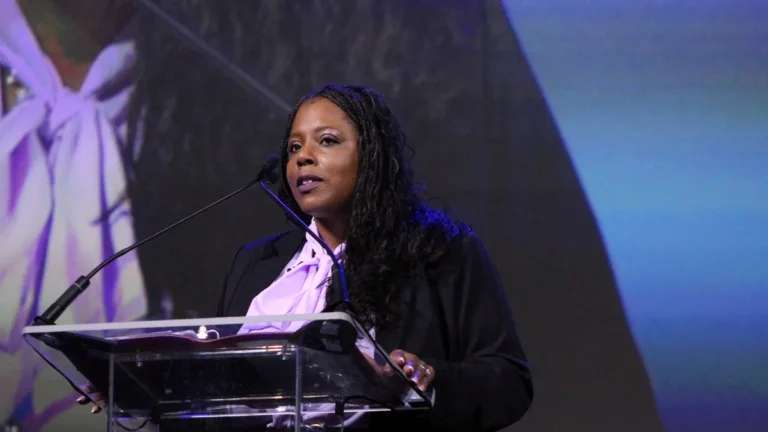
"The positive results of the Phase 3 CROSSING trial reinforce our confidence in the differentiated mechanism of action of Tezspire," said Sharon Barr, AstraZeneca’s executive vice president of biopharmaceuticals R&D. "Epithelial science represents an important and rapidly evolving area in respiratory and immunology medicine. We look forward to sharing these results with regulatory authorities as quickly as possible."
For Amgen, the original discoverer of the molecule, the success represents a validation of their early-stage research efforts. The partnership model, which sees the two companies share commercialization responsibilities in the U.S. while AstraZeneca manages the global footprint, has proven to be a highly effective engine for scaling the drug’s adoption.
Implications for the Market and Competitive Landscape
The introduction of Tezspire into the EoE market will inevitably invite comparisons to Dupixent, the current standard-of-care biologic. However, industry analysts suggest that the market is large enough—and the unmet need significant enough—to support multiple high-efficacy therapies.
The Financial Outlook
William Blair analyst Matt Phipps has been closely monitoring the asset. He estimates that Tezspire’s global sales will reach approximately $2.7 billion in 2026, with a trajectory toward $3.3 billion by 2027. Crucially, these projections are based on the drug’s current approved indications. A regulatory nod for EoE represents a substantial "upside" to these figures. With an estimated 470,000 people in the United States living with EoE, the commercial incentive is substantial.
Competitive Positioning
A key factor for Tezspire is its unique mechanism. By targeting TSLP, Tezspire addresses inflammation "upstream," potentially offering a broader impact on the disease process compared to therapies that target specific interleukins (like IL-4 and IL-13).
"Tezspire has shown greater efficacy than Dupixent in CRSwNP," Phipps noted, suggesting that if this pattern holds for EoE, the drug could secure a significant portion of the patient population that is either refractory to existing treatments or seeking a different immunological approach.
The M&A Environment
The immunology space is currently experiencing a gold rush. The recent $11 billion acquisition of Apogee Therapeutics by AbbVie underscores the high premium that large-cap pharmaceutical companies are willing to pay for innovative assets in the eczema and inflammation sectors. As smaller firms like First Tracks Biotherapeutics continue to develop early-stage antibodies for EoE, the pressure on major players to maintain a robust, differentiated pipeline has never been higher.
Future Directions: Beyond EoE
The success of the CROSSING trial is merely one chapter in the broader story of Tezspire. AstraZeneca is currently evaluating the antibody in a Phase 3 trial for chronic obstructive pulmonary disease (COPD), a condition that represents one of the largest remaining frontiers in respiratory medicine.
If successful, Tezspire could solidify itself as one of the most versatile biologic drugs in the modern pharmacopeia. For now, however, the focus remains on the EoE community. By moving the goalposts for symptom relief and histological improvement, AstraZeneca and Amgen are providing a new, high-potential pathway for patients who have lived far too long with the fear of every meal.
As the data from the CROSSING trial moves toward peer-reviewed publication and regulatory review, the medical community will be watching closely. Should the FDA grant approval, the treatment landscape for EoE will shift from a monopoly to a competitive arena, ultimately benefiting the patients who rely on these sophisticated therapies to reclaim their quality of life.