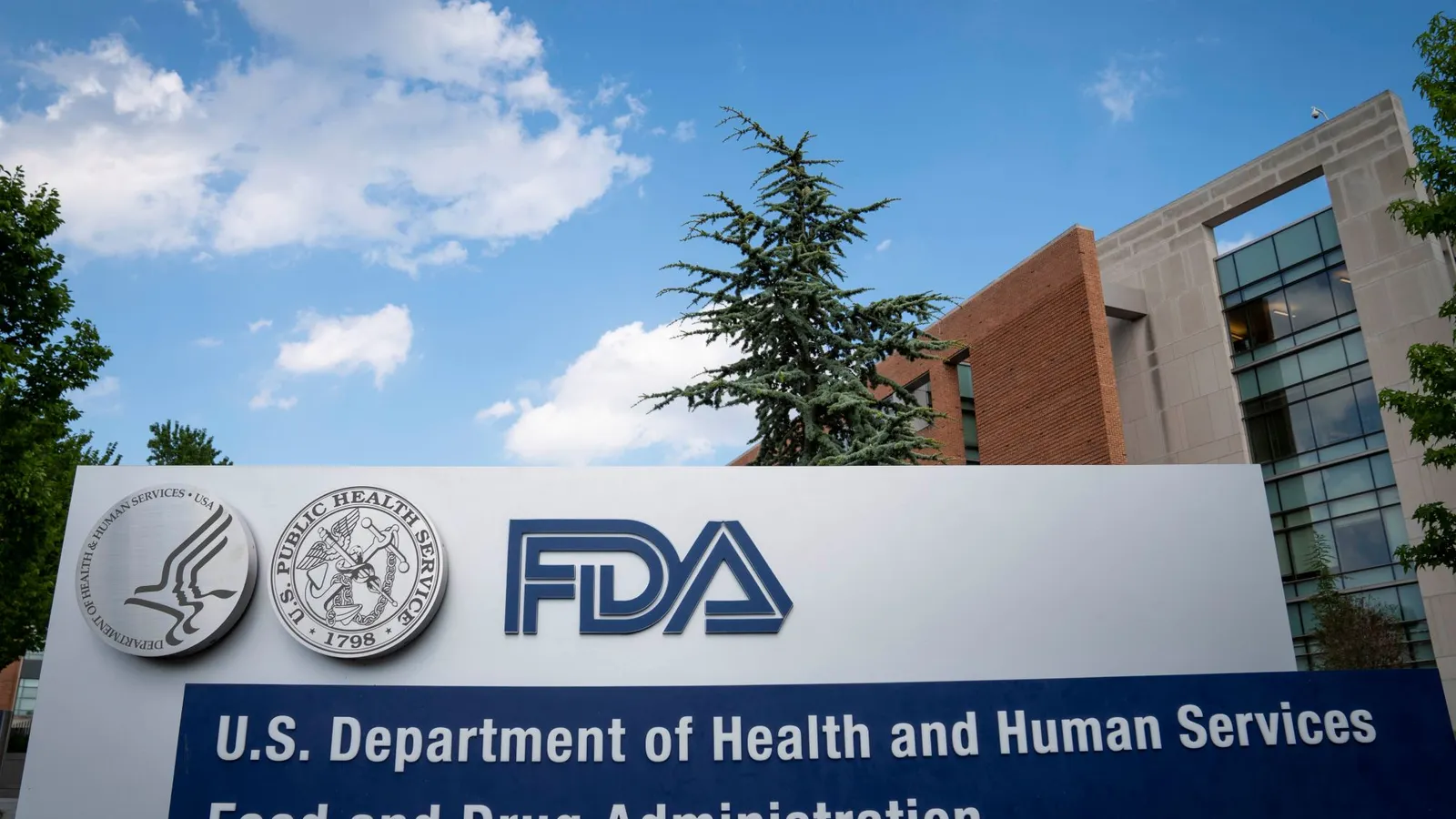
In a pivotal development for the global medical technology sector, the U.S. Food and Drug Administration (FDA) has finalized a draft agreement with the medical device industry regarding the next iteration of the Medical Device User Fee Amendments (MDUFA VI). This multi-year framework, which governs the financial relationship between the agency and the industry it regulates, sets the stage for operational stability and performance expectations between 2028 and 2032.
The agreement, released in a draft commitment letter this Wednesday, balances the industry’s desire for predictable, streamlined regulatory pathways with the FDA’s ongoing need to manage complex, resource-intensive device reviews. As the agency moves toward the final legislative deadline, stakeholders are closely scrutinizing the document for signs of how the FDA plans to navigate recent staffing challenges while maintaining its rigorous safety and efficacy standards.
The Core Agreement: Funding for Performance
At its heart, the MDUFA program operates on a "user fee" model. Medical device manufacturers pay fees to the FDA in exchange for the agency’s commitment to meet specific performance goals, such as review timelines for premarket approvals (PMAs) and 510(k) clearances.
The MDUFA VI draft seeks to provide a roadmap for the next five years of these interactions. While the financial specifics—the total "pot" of funding the FDA is authorized to collect—are the headline, the operational nuances within the commitment letter are what dictate the daily workflow of engineers, regulatory consultants, and agency reviewers. The agreement aims to foster a "seamless" environment where innovators can bring life-saving technologies to market without being stalled by administrative bottlenecks.
A Chronology of the MDUFA VI Process
The path to this draft agreement has been characterized by intense negotiation and external pressure. Below is the critical timeline guiding the transition to the new framework:
- Pre-Negotiation Phase (2024–2025): Stakeholder meetings commenced, focusing on the impact of recent federal staffing fluctuations and the need for greater transparency.
- August 2026 (Upcoming): The FDA’s Center for Devices and Radiological Health (CDRH) is scheduled to hold a public meeting to gather input on the MDUFA VI draft, ensuring that patient groups and industry representatives have a forum to voice concerns before the document is finalized.
- January 15, 2027: The formal deadline for the FDA to submit its final commitment letter to Congress.
- September 30, 2027: The statutory deadline for Congress to enact the authorizing legislation. Failure to meet this could lead to significant regulatory uncertainty.
- 2028–2032: The operational window of MDUFA VI, during which the new performance metrics, hiring transparency measures, and pre-submission pathways will be in effect.
Supporting Data: Staffing and Performance Metrics
A central theme of the current discourse is the "workload-to-resource" ratio. Following widespread staffing cuts and institutional reorganization across the Department of Health and Human Services (HHS) last year, the CDRH has faced significant scrutiny.
The Staffing Transparency Gap
While the industry lobbied for strict hiring mandates, the final draft of MDUFA VI takes a transparency-first approach rather than a quota-based one. The FDA has committed to:
- Twice-yearly reporting: Disclosing the number of personnel assigned to each office within the CDRH.
- Annual hiring audits: Providing clear data on recruitment progress.
This decision follows reports from former agency leaders suggesting that the remaining staff are managing "large workloads with little support." Although the FDA has declined to provide specific headcount numbers for the end of fiscal 2025, the commitment letter explicitly mandates that the agency maintain sufficient technical and scientific expertise to support the volume of device reviews—a baseline expectation for the industry.
Review Timeline Reality Check
The MDUFA VI goals for review timelines remain largely consistent with MDUFA V, aiming for 285 calendar days for original PMA decisions. For 510(k) clearances, the goal is set to decrease incrementally from 128 to 112 days over the five-year term.
However, data from BTIG suggests that these goals are currently aspirational. In the first half of 2026, the average time for PMA approval hovered around 599 days, while 510(k) clearances averaged 156 days. These figures highlight a widening gap between stated goals and real-world performance, a reality that the industry hopes to bridge through the improved processes outlined in the new agreement.
Official Responses and Industry Sentiment
The medical technology industry has greeted the agreement with cautious optimism. Scott Whitaker, CEO of AdvaMed, the leading trade group for the medtech industry, emphasized the importance of the agreement in a statement released Wednesday.
"This agreement is an important step toward preserving the seamless access to proven medtech patients deserve," Whitaker noted. He underscored that for innovators, the most valuable commodity is "stability and predictability." By locking in these commitments, the industry believes it can plan long-term R&D investments with a clearer understanding of when and how their products will be scrutinized by the FDA.
Conversely, patient advocacy groups have expressed that while the agreement is a positive development, they will be watching the hiring metrics closely. For patients waiting on the next generation of diagnostics or surgical implants, "predictability" translates into survival, and they remain eager to see if the FDA can translate these administrative commitments into actual faster access.
Implications: A New Era for Device Regulation
The MDUFA VI agreement carries profound implications for how the FDA will function in the late 2020s and early 2030s.
1. The "Focused Follow-Up" Pathway
Perhaps the most innovative aspect of the draft is the introduction of the "Focused Follow-Up Pre-Submission." By creating a pathway that guarantees written feedback within 45 days, the FDA is signaling a move toward more iterative, collaborative regulation. This could be a game-changer for startups that lack the resources to endure months of back-and-forth communication, allowing them to pivot their development strategies early in the product lifecycle.
2. Improving Communication: The Deficiency Letter Crisis
Deficiency letters—correspondence from the FDA detailing why a submission is insufficient—have long been a pain point for the industry. Recent complaints regarding the lack of detail in these letters have led to "regulatory churn," where firms spend weeks guessing how to address vague feedback. The FDA’s commitment to staff training on best practices (by September 2028) and the introduction of a recipient survey (by September 2029) suggests an attempt to modernize the agency’s communication culture.
3. The Institutional Memory Challenge
With the loss of thousands of employees last year, the CDRH faces an "institutional memory" challenge. Experienced reviewers who understand the nuances of specific device categories are difficult to replace. The MDUFA VI agreement implicitly acknowledges this; by requiring more granular reporting on where employees are placed, the agency is admitting that it must be more strategic in how it deploys its human capital to meet the increasing volume and complexity of device submissions.
Conclusion: The Path Forward
The MDUFA VI agreement is more than a funding mechanism; it is a contract of trust between the government and the private sector. By focusing on faster pre-submission pathways, improved communication via deficiency letter reform, and a commitment to radical transparency regarding staffing, the FDA is attempting to modernize its approach in an increasingly fast-paced tech environment.
As the industry and the public look toward the public meeting in August 2026, the conversation will likely center on whether these procedural changes are sufficient to overcome the structural hurdles left in the wake of recent federal austerity measures. For now, the draft commitment provides a stable foundation—a necessary condition for the continued evolution of medical technology that is both safe for the patient and accessible to the market.