











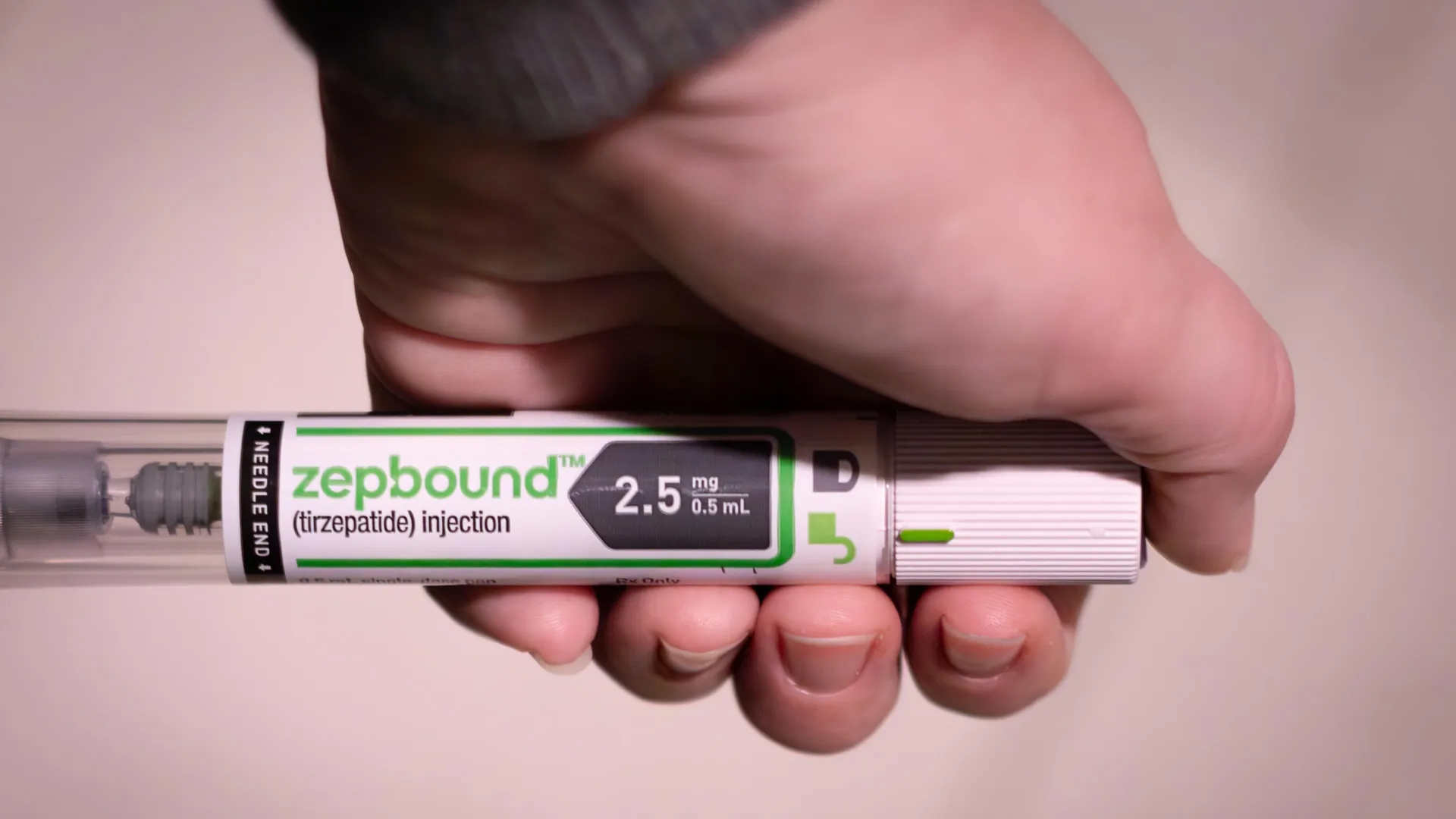
In the rapidly evolving landscape of metabolic medicine, few pharmaceutical breakthroughs have garnered as much attention as tirzepatide. Marketed under the brand name Mounjaro, this medication has become a cornerstone in the management of obesity and type 2 diabetes. While its primary mechanism—reducing appetite—has been well-documented, a significant question has lingered in the scientific community: does the drug offer metabolic benefits that extend beyond simply helping patients eat less?
A groundbreaking study led by researchers at the University of Barcelona now suggests the answer is a definitive "yes." By activating brown adipose tissue—the body’s "good" fat responsible for thermogenesis—tirzepatide may be directly reprogramming how the body utilizes energy.
The Dual-Action Mechanism: A New Frontier in Obesity Treatment
To understand the significance of this discovery, one must first look at what makes tirzepatide unique. Unlike earlier weight-loss drugs that focused on a single hormonal pathway, tirzepatide is a dual agonist. It targets the receptors for both Glucose-dependent Insulinotropic Polypeptide (GIP) and Glucagon-like Peptide-1 (GLP-1).
GLP-1 receptor agonists have long been the gold standard for glucose control and weight loss, primarily by slowing gastric emptying and signaling satiety to the brain. By adding GIP receptor activation, tirzepatide creates a synergistic effect that results in more substantial weight loss than its predecessors. However, the researchers, led by Marion Peyrou of the Institute of Biomedicine of the University of Barcelona (IBUB), the Sant Joan de Déu Research Institute (IRSJD), and the CIBEROBN, hypothesized that this dual mechanism might have a more profound physiological impact than previously realized.
Methodology: Decoupling Appetite from Metabolism
The primary challenge in studying weight-loss medication is isolating the drug’s direct effects from the secondary effects of eating less. When a patient consumes fewer calories, their metabolism naturally changes, making it difficult to determine if a drug is "improving" metabolism or if the body is simply adapting to a calorie deficit.
To circumvent this, the research team utilized an experimental mouse model. Obese mice, induced by a high-fat diet, were divided into two groups. The first group received tirzepatide, while the second group served as a "pair-fed" control. The mice in the control group were fed exactly the same amount of food as the medicated group, ensuring that any differences in weight loss or health markers could not be attributed to appetite suppression.
By controlling for caloric intake, the researchers observed that the mice treated with tirzepatide exhibited metabolic improvements that the pair-fed mice did not. The evidence pointed toward a specific target: brown adipose tissue (BAT).
Understanding the "Engine": The Role of Brown Adipose Tissue
Human bodies contain two primary types of fat. White adipose tissue (WAT) acts as the body’s long-term energy storage, accumulating in the form of visceral or subcutaneous fat. Conversely, brown adipose tissue (BAT) acts more like a furnace. It is rich in mitochondria—the "power plants" of cells—and is specialized in burning glucose and lipids to generate heat.
For decades, scientists have viewed BAT as a "holy grail" for obesity treatment. If one could safely activate this tissue, the body could effectively burn off excess calories without requiring the patient to engage in strenuous exercise or extreme caloric restriction. However, previous attempts to pharmacologically activate brown fat were fraught with dangerous cardiovascular side effects, such as increased heart rate or blood pressure.
The findings from the University of Barcelona suggest that tirzepatide may be the first drug to successfully activate this tissue without these systemic drawbacks.
Key Findings: Boosting Energy Expenditure
According to the study, tirzepatide’s activation of brown fat facilitates several metabolic improvements:
- Increased Energy Expenditure: Even when caloric intake was equal to the control group, the tirzepatide-treated mice showed a higher capacity to burn metabolic energy.
- Production of Beneficial Batokines: Active brown fat releases signaling molecules known as "batokines." These molecules travel through the bloodstream, improving systemic metabolic health, including better glucose sensitivity and lipid profiles.
- Glucose and Lipid Utilization: By "turning on" the brown fat, the body increases its demand for fuel, effectively clearing glucose and fats from the blood more efficiently than in sedentary or untreated states.
"This drug not only reduces body weight, but also has beneficial effects on metabolism," says Dr. Peyrou. "Active brown adipose tissue burns glucose and fat within the body, which contributes to its positive effect in lowering blood glucose and fat levels."
Implications for Clinical Practice and Personalized Medicine
The implications of this research are far-reaching. If these results are replicated in human clinical trials, it would fundamentally change the way physicians approach obesity and type 2 diabetes.
Moving Beyond Simple Weight Loss
Current treatment paradigms are largely focused on the "calories in, calories out" model. By shifting the focus to metabolic efficiency—specifically the activation of energy-burning tissues—clinicians could potentially treat the root causes of metabolic syndrome rather than just the symptoms.
The Potential for Cardiovascular Synergy
One of the most promising aspects of the study is the absence of the negative cardiovascular effects that plagued previous attempts to stimulate brown fat. In fact, tirzepatide is increasingly recognized for its cardiovascular benefits in human populations. This suggests that the activation of brown fat may be happening in a way that is inherently protective, rather than over-stimulating the heart.
Toward Personalized Obesity Treatment
Perhaps the most exciting prospect is the potential for personalized medicine. Dr. Peyrou notes that identifying "patient profiles"—specifically those who struggle with low energy expenditure—could allow for more targeted therapy. If a patient is obese due to a sluggish metabolic rate rather than just excessive food intake, they may be the ideal candidate for a therapy that explicitly targets BAT activation.
Cautious Optimism: The Road to Human Clinical Trials
While the findings are compelling, the research team is careful to emphasize the limitations of the current study. "As this is a study conducted on mice, we must be cautious," Dr. Peyrou states. "There may be significant differences between species in terms of metabolism regulation, adipose tissue distribution, and response to drugs."
Human metabolism is significantly more complex than that of a mouse. Human brown fat distribution changes as we age, and the hormonal interplay between GIP and GLP-1 receptors in the human brain and peripheral tissues may behave differently. Therefore, the next phase of this research will require rigorous clinical evidence in humans to confirm that these metabolic pathways are being activated in the same manner.
Conclusion: A New Paradigm for Metabolic Health
The study represents a major shift in our understanding of how modern GLP/GIP agonists work. It suggests that these medications are not merely "appetite suppressants" but are, in fact, "metabolic modifiers."
If confirmed, this discovery validates the theory that the most effective obesity therapies are those that target multiple physiological processes simultaneously. By attacking the problem from both the top (appetite regulation in the brain) and the bottom (energy expenditure in the fat cells), the medical community is moving closer to a future where obesity and its related disorders—diabetes, hypertension, and fatty liver disease—can be managed with unprecedented precision.
As the scientific community awaits human-based validation, the work of the University of Barcelona team provides a roadmap for the next generation of weight-loss pharmaceuticals. It suggests that the answer to the obesity epidemic may lie not just in curbing our desire to eat, but in empowering our bodies to burn the energy we consume more effectively.