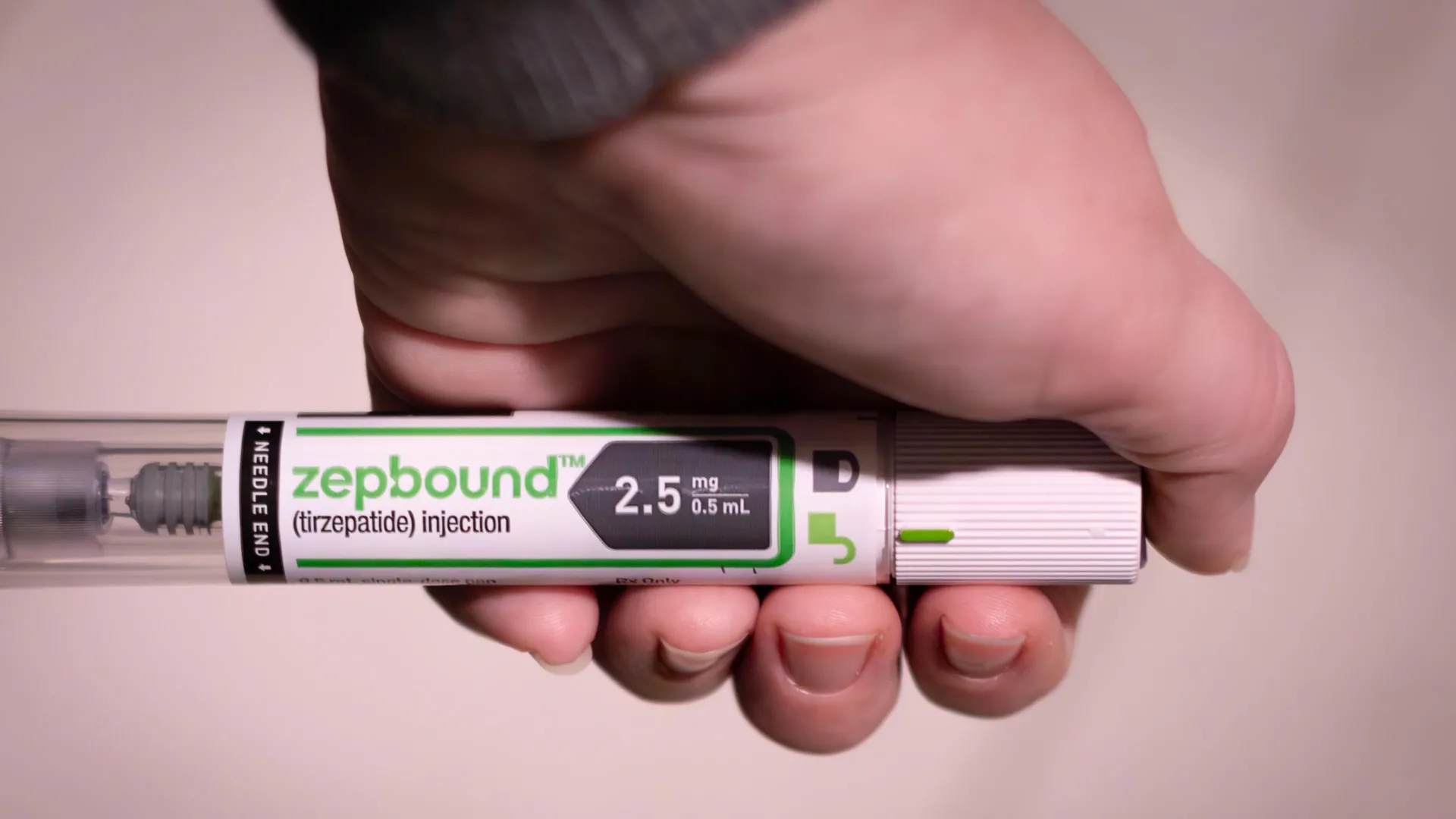
In the rapidly evolving landscape of metabolic medicine, the emergence of dual-agonist medications has signaled a paradigm shift in how we treat obesity and type 2 diabetes. Among these, tirzepatide—marketed as Mounjaro—has emerged as a clinical powerhouse. While its efficacy in driving significant weight loss is well-documented, the precise biological mechanisms behind its success have remained a subject of intense scientific inquiry.
New research emerging from the University of Barcelona, led by Marion Peyrou of the Institute of Biomedicine (IBUB), suggests that tirzepatide’s benefits extend far beyond simple appetite suppression. By activating brown adipose tissue (BAT), the drug appears to act as a metabolic catalyst, essentially turning on the body’s internal furnace to burn calories more efficiently. This discovery offers a compelling look at a future where obesity treatments do more than just curb hunger—they actively reprogram how the body utilizes energy.
The Dual-Mechanism Advantage: A New Frontier in Obesity Care
To understand the significance of this discovery, one must first understand the unique design of tirzepatide. Unlike traditional GLP-1 receptor agonists, which mimic a single hormone involved in satiety, tirzepatide is a dual agonist. It targets receptors for both Glucose-dependent Insulinotropic Polypeptide (GIP) and Glucagon-like Peptide-1 (GLP-1).
This "dual-action" approach is widely considered the reason for the drug’s superior performance in clinical trials. By modulating both hormones, tirzepatide slows gastric emptying and signals the brain to increase feelings of fullness. However, the scientific community has long suspected that this mechanism alone might not account for the entirety of the drug’s profound metabolic impact. Researchers have been eager to determine if tirzepatide possesses "extra-satiety" benefits—specifically, the ability to improve metabolic health directly at the tissue level.
Chronology of the Study: Dissecting Metabolic Pathways
The research team, which included experts from the Sant Joan de Déu Research Institute (IRSJD) and the CIBER in Physiopathology of Obesity and Nutrition (CIBEROBN), sought to separate the effects of weight loss from the direct pharmacological effects of the drug.
The Experimental Design
Because human metabolic processes are deeply intertwined with complex behavioral factors, the researchers utilized a controlled mouse model to isolate the drug’s influence. The study involved:
- Cohort Selection: Mice were placed on a high-fat diet to induce obesity, simulating the metabolic conditions often seen in human patients.
- Variable Control: The researchers utilized a pair-feeding method. One group of obese mice received tirzepatide, while a control group was denied the drug but restricted to the exact same caloric intake as the treated group.
- Comparative Analysis: By ensuring that both groups consumed the same amount of food, any difference in weight loss or metabolic markers could be definitively attributed to the drug’s action rather than simply eating less.
The results were striking. The tirzepatide-treated mice showed significant activation of brown adipose tissue, a feat not mirrored in the control group. This provided the first clear evidence that the drug induces metabolic changes independently of reduced food consumption.
Understanding Brown Adipose Tissue (BAT)
In the human body, not all fat is created equal. While white adipose tissue (WAT) serves as the body’s primary energy storage system—accumulating during periods of caloric surplus—brown adipose tissue (BAT) functions quite differently.
BAT is often described as the body’s "internal furnace." It is rich in mitochondria, which contain iron-rich proteins that give the tissue its characteristic brown color. These mitochondria are specialized in thermogenesis: the process of burning glucose and fat to produce heat.
Historically, scientists have viewed the activation of BAT as the "holy grail" of obesity treatment. If one could safely increase the activity of brown fat, the body would naturally burn more energy even while at rest. Previous pharmacological attempts to stimulate BAT, however, often resulted in dangerous cardiovascular side effects, such as elevated heart rate or blood pressure, leading to the abandonment of many promising candidates.
The study by Peyrou and her colleagues suggests that tirzepatide manages to bypass these pitfalls. Not only does it avoid the negative cardiac markers associated with older thermogenic drugs, but it also appears to be inherently cardioprotective.
Supporting Data: The Role of Batokines
The research indicates that the activation of brown fat by tirzepatide triggers the release of "batokines"—specialized signaling molecules secreted by brown adipose tissue. These molecules are believed to travel throughout the body, improving metabolic health in distant organs, including the liver and skeletal muscle.
According to Dr. Peyrou, this activation leads to a measurable increase in energy expenditure. By burning glucose and circulating lipids at a higher rate, the activated brown fat lowers blood sugar levels and improves insulin sensitivity. This creates a two-pronged attack on metabolic disease:
- The "Primary" Effect: Reducing caloric intake via GIP/GLP-1 receptor modulation.
- The "Secondary" Effect: Enhancing metabolic rate via BAT activation and the secretion of beneficial batokines.
This dual-pronged strategy may explain why patients on tirzepatide often see rapid improvements in their HbA1c (a measure of long-term blood sugar control) that occur almost in lockstep with, or sometimes even preceding, significant weight loss.
Official Perspectives and Implications
The scientific community is viewing these findings as a pivot point in metabolic research. By proving that a drug can manipulate energy expenditure through specific tissue targeting, researchers are validating a more sophisticated approach to metabolic management.
Moving Toward Personalized Medicine
One of the most exciting implications of this research is the potential for personalized medicine. Currently, obesity treatments are often prescribed as a "one-size-fits-all" solution. However, if some patients suffer from obesity due to a sluggish metabolic rate or compromised energy expenditure, they might benefit from a drug that specifically targets BAT activation.
"Identifying which patient profiles could benefit most, for example, those with more compromised energy expenditure, would open the door to more personalized medicine," Dr. Peyrou notes. This shift would move the focus from simply "weight control" to "overall metabolic optimization."
A Broader Strategy for Metabolic Disorders
The study suggests that the future of treating type 2 diabetes and metabolic syndrome may lie in "multi-target" therapeutics. By addressing appetite, glycemic control, and energy expenditure simultaneously, medical professionals can treat the systemic dysfunction of obesity rather than just the symptoms.
The Road Ahead: From Mice to Men
Despite the optimism surrounding these findings, the research team is careful to emphasize the necessity of caution. The transition from laboratory models to human clinical practice is notoriously complex.
Limitations of the Current Research
- Biological Disparities: Mice and humans differ in their metabolic regulation. The distribution of brown fat in mice is highly concentrated in the interscapular region (between the shoulder blades), whereas human brown fat distribution is more diffuse and changes as we age.
- Clinical Evidence Needed: While the mouse model provides a "proof of concept," it does not guarantee the same efficacy or safety profile in human populations. Future clinical trials must be designed to monitor BAT activation in humans specifically in response to tirzepatide.
- Long-term Monitoring: The current research does not account for the long-term adaptation of the body. Would continuous activation of brown fat eventually lead to compensatory mechanisms that negate the benefits? These are questions that longitudinal human studies must address.
Dr. Peyrou concludes with a call for further inquiry: "As this is a study conducted on mice, we must be cautious, as there may be significant differences between species in terms of metabolism regulation, adipose tissue distribution, and response to drugs. Therefore, we need more clinical evidence on the action of these drugs on fat in humans."
Conclusion: A Paradigm Shift in Metabolic Health
The study led by the University of Barcelona marks a significant advancement in our understanding of tirzepatide. By uncovering the potential for the drug to activate brown adipose tissue, scientists have opened a new door into the mechanisms of energy expenditure.
If human trials confirm these findings, the medical community will have gained more than just a weight-loss drug; they will have gained a tool for metabolic restoration. As we move closer to a future of precision medicine, the ability to tailor treatments to an individual’s specific metabolic profile—whether that involves targeting hunger signals, hormonal balance, or the body’s internal calorie-burning furnace—promises to redefine our success in the fight against the global obesity epidemic.
The research underscores a vital lesson: obesity is not merely a failure of willpower, but a complex metabolic state. By addressing it with sophisticated, multi-targeted pharmacological strategies, we are finally moving toward treatments that heal the body from the inside out.