









For millions of individuals living with obstructive sleep apnea (OSA), the Continuous Positive Airway Pressure (CPAP) machine has long been the gold standard of treatment. However, the bulky nature of traditional masks, the noise of motors, and the requirement for a constant power source have led to significant challenges regarding long-term patient compliance. In recent years, Expiratory Positive Airway Pressure (EPAP) devices have emerged as a discreet, portable, and power-free alternative, offering a new paradigm for patients seeking relief from sleep-disordered breathing.
Understanding EPAP: The Mechanics of Backpressure
At its core, an EPAP device is designed to maintain the patency of the upper airway during sleep. Unlike CPAP, which delivers a continuous stream of pressurized air throughout the entire respiratory cycle, EPAP devices operate on a more nuanced mechanical principle. These devices utilize a valve system that creates resistance only during expiration.
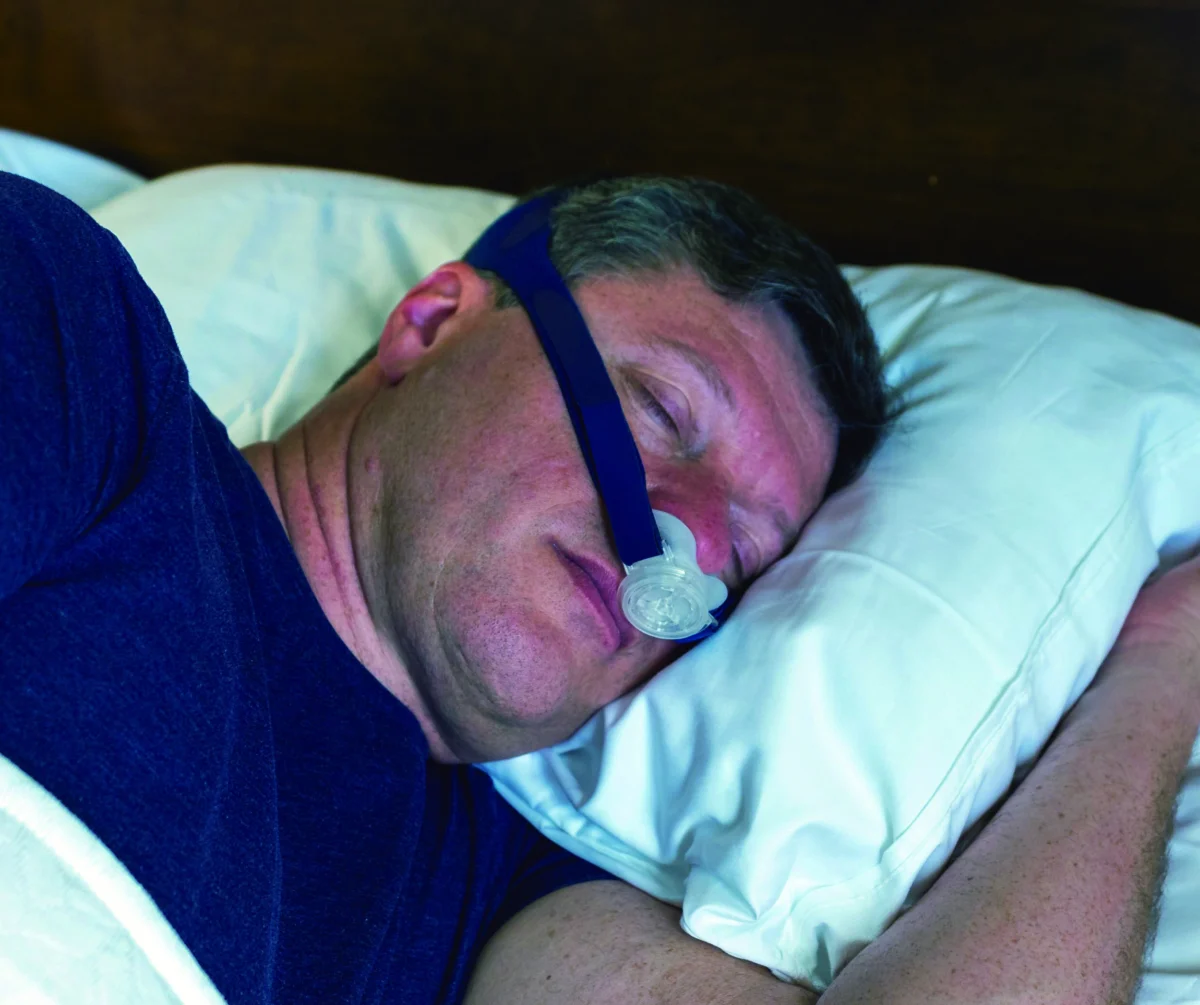
As the user exhales, the device creates a degree of backpressure that keeps the airway open. During inhalation, however, the valve opens to allow for unobstructed airflow. Because the device relies on the user’s own breath to generate pressure, it eliminates the need for electrical motors, hoses, and power cords. Typically small enough to fit in the palm of a hand, these devices are increasingly viewed as a viable solution for travel or for patients who find traditional CPAP therapy intolerable.
The Clinical Landscape: Who Should Use EPAP?
While EPAP devices represent a significant innovation in sleep medicine, it is essential to manage clinical expectations. Current evidence suggests that EPAP is generally less effective than CPAP for severe cases of obstructive sleep apnea.
The ideal candidates for EPAP therapy are typically patients diagnosed with positional or mild-to-moderate OSA. Furthermore, EPAP is frequently employed in "combination therapy" protocols, where patients with residual apnea despite other treatments use these devices to bridge the gap in their care. Because these devices are non-invasive and portable, they are particularly favored by patients who struggle with CPAP noncompliance or those who require a travel-friendly option that does not sacrifice airway support.
Comparative Overview: Leading EPAP Technologies
To help clinicians and patients navigate the growing market of EPAP options, we have analyzed three of the most prominent devices currently available: the AirAvant Medical Bongo Rx, the BRYGGS Medical LLC ULTepap 2, and the CPAPNEA Medical Supply Optipillows EPAP Mask.
1. AirAvant Medical Bongo Rx
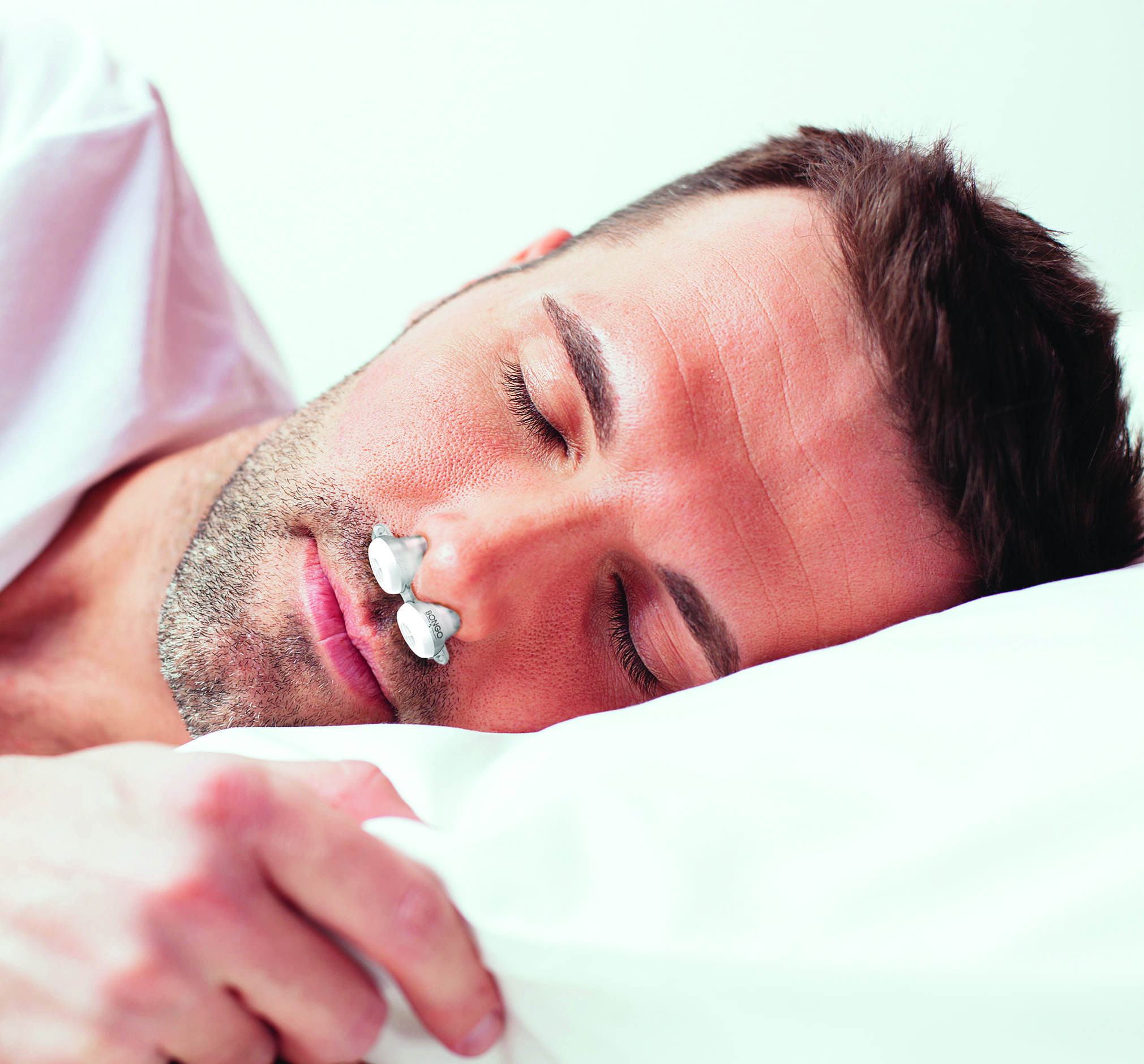
The Bongo Rx is a prescription-based, FDA-cleared device designed for adults with mild to moderate OSA. It is a reusable, self-contained nasal interface that provides therapeutic backpressure. One of its unique features is the integration of soft nasal seals that provide both a secure fit and a degree of nasal dilation. It requires no assembly and can be worn with or without headgear, making it a highly user-friendly choice for those who are new to sleep therapy.
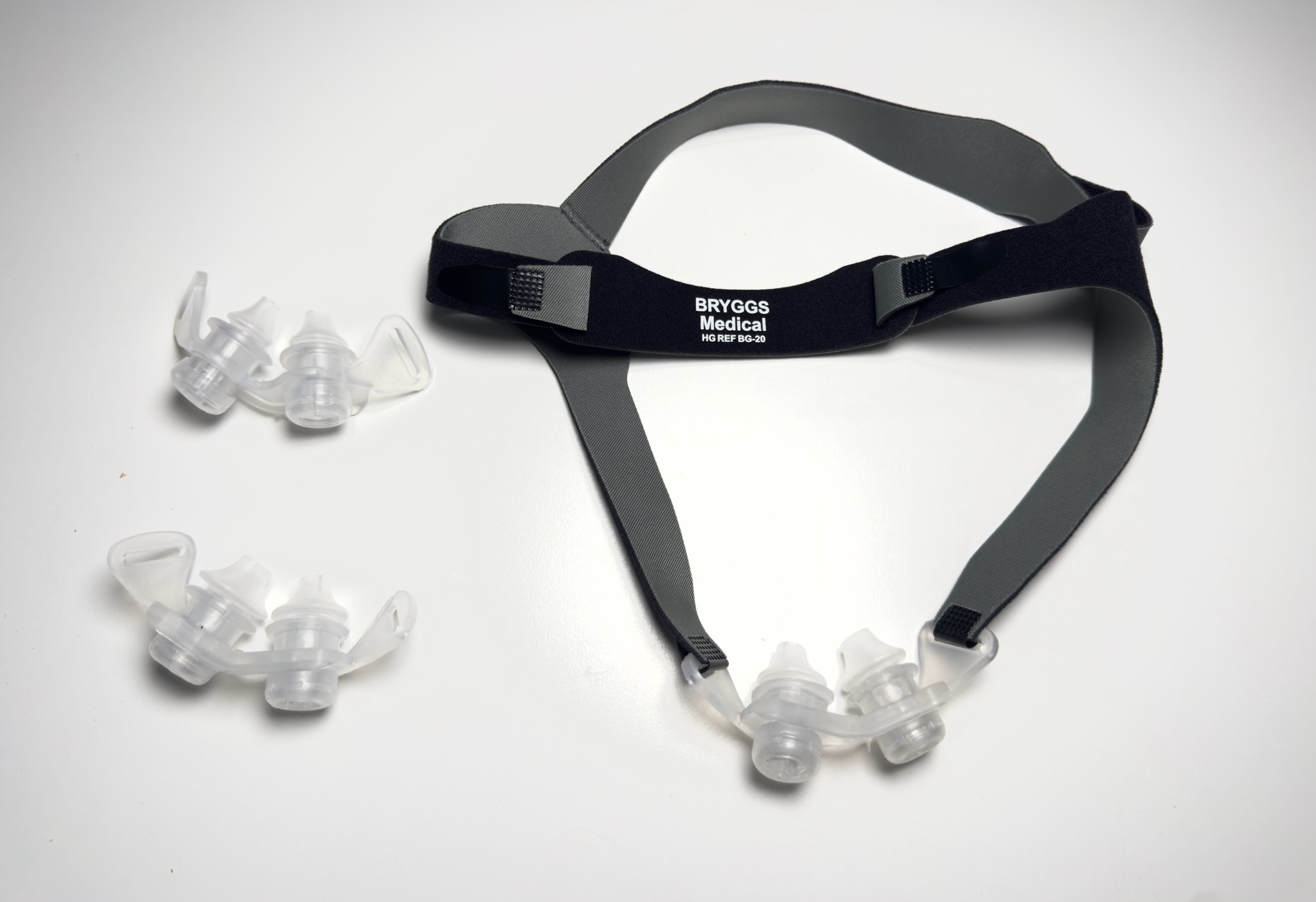
2. BRYGGS Medical LLC ULTepap 2
The ULTepap 2 distinguishes itself through its focus on adjustable therapeutic resistance. It utilizes a cap-based system on the end of each valve. When the caps are in place, the device provides standard resistance; by removing the caps, the user exposes larger exhalation holes, allowing for a lower, more comfortable pressure setting. This modular approach allows users to fine-tune their therapy to suit their specific comfort needs.
3. CPAPNEA Medical Supply Optipillows EPAP Mask
The Optipillows system stands out as a physician-designed, over-the-counter (OTC) option. It is specifically indicated for alleviating snoring in adults. Unlike the other devices, which often require a prescription, the Optipillows system offers a high degree of pressure adjustability (1.5–14.5 cm H2O) via a side-vent mechanism. It is a cost-effective solution that includes an adjustable headstrap and three sizes of nasal pillows, making it an accessible entry point for those looking to address snoring without the administrative burden of a clinical prescription.
Comparative Specifications Table
| Feature | Bongo Rx | ULTepap 2 | Optipillows EPAP Mask |
|---|---|---|---|
| Manufacturer | AirAvant Medical | BRYGGS Medical LLC | CPAPNEA Medical Supply |
| FDA Status | K180619 | K191728 | K181219 |
| Prescription Req. | Yes | Yes | No |
| Pressure Range | Up to 15 cm H2O | 0-20 cm H2O (Adj) | 1.5-14.5 cm H2O (Adj) |
| Materials | Silicone/Polycarbonate | Silicone/Polycarbonate | Nonallergenic plastic/Silicone |
| Warranty | 90 Days | 90-1095 Days | 30 Days |
Chronology of Development and Clinical Validation
The evolution of EPAP devices has been documented through a series of clinical trials and FDA submissions over the past decade. The early generation of these devices faced skepticism regarding their ability to maintain consistent pressure compared to the steady flow of CPAP.
However, studies presented at conferences such as the SLEEP 2019 annual meeting provided robust data demonstrating significant Apnea-Hypopnea Index (AHI) reductions in patients using the Bongo Rx. Similarly, research published in Sleep Medicine (2022) compared the flow resistance of various EPAP devices in laboratory bench settings, providing a standardized look at how these devices perform under controlled conditions. This ongoing academic scrutiny has been vital in moving EPAP from a "niche" product category to a recognized component of the sleep apnea treatment spectrum.
Supporting Data and Evidence
The efficacy of these devices is largely tied to their ability to generate sufficient flow resistance. In a 2021 study published in the Journal of Sleep Medicine and Disorders, researchers evaluated the flow resistance and generated pressures of the Optipillows, Bongo Rx, and other legacy devices. The findings confirmed that while these devices operate differently, they successfully create the requisite pressure threshold to stabilize the airway in qualified candidates.
These studies underscore a vital point: EPAP is not a "one size fits all" solution. Data suggests that success with EPAP is highly dependent on proper device selection and the severity of the patient’s underlying condition.
Official Responses and Clinical Implications
The medical community has responded to the rise of EPAP with a blend of optimism and caution. For the sleep specialist, the primary implication is the expansion of the "treatment toolkit." When a patient presents with mild OSA and a high probability of CPAP abandonment, the practitioner now has a variety of alternatives that can maintain patient engagement with therapy.
From the manufacturers’ perspective, the focus has shifted toward longevity and user experience. The inclusion of reusable components, simplified cleaning protocols (usually involving only mild soap and water), and the availability of starter kits containing multiple sizes reflect a maturing market that understands the importance of the patient experience in long-term adherence.
Implications for Future Sleep Care
The shift toward EPAP devices signals a broader trend in sleep medicine: the decentralization of care. By removing the need for electricity and bulky hardware, manufacturers are empowering patients to take charge of their sleep health in a way that fits their lifestyle.
However, this freedom comes with responsibility. Because these devices are often used without the constant monitoring provided by modern "smart" CPAP machines, it is crucial for patients to remain in contact with their healthcare providers. Regular follow-up appointments and occasional polysomnography (PSG) are recommended to ensure that the chosen EPAP device is actually providing the therapeutic relief required to manage the patient’s apnea.
As we look toward the future, the integration of smart sensors into these passive devices may be the next frontier. Imagine an EPAP device that, while still power-free in its operation, tracks sleep data and syncs with a smartphone application. Such an evolution would combine the comfort of current EPAP technology with the diagnostic utility of modern CPAP platforms.
Conclusion
Expiratory Positive Airway Pressure represents a sophisticated, elegant solution to a complex medical problem. While it may not replace CPAP for all patients, its role in the treatment of mild-to-moderate obstructive sleep apnea is firmly established. By offering a discreet, travel-ready, and non-invasive alternative, EPAP devices like the Bongo Rx, ULTepap 2, and Optipillows are helping to ensure that more patients can achieve the restful sleep they deserve, regardless of their environment or lifestyle constraints.
As always, patients are encouraged to consult with their sleep physician to determine which device—or combination of therapies—is most appropriate for their specific clinical profile. With the right selection, the journey toward better sleep is more accessible than ever before.
Disclaimer: Information in this guide is based on data submitted by EPAP marketers. Sleep Review strives for accuracy in all data but cannot be held responsible for claims made by marketers. All devices may not be included. This article was last updated in June 2026.