








For decades, the public perception of Alzheimer’s disease has been narrowly defined by the tragedy of cognitive decline—the slow, heartbreaking erosion of memory and identity. However, for the millions of caregivers and families living on the front lines of dementia, the most harrowing challenges are often not the forgotten names or misplaced keys, but the behavioral shifts that transform a loved one’s personality.
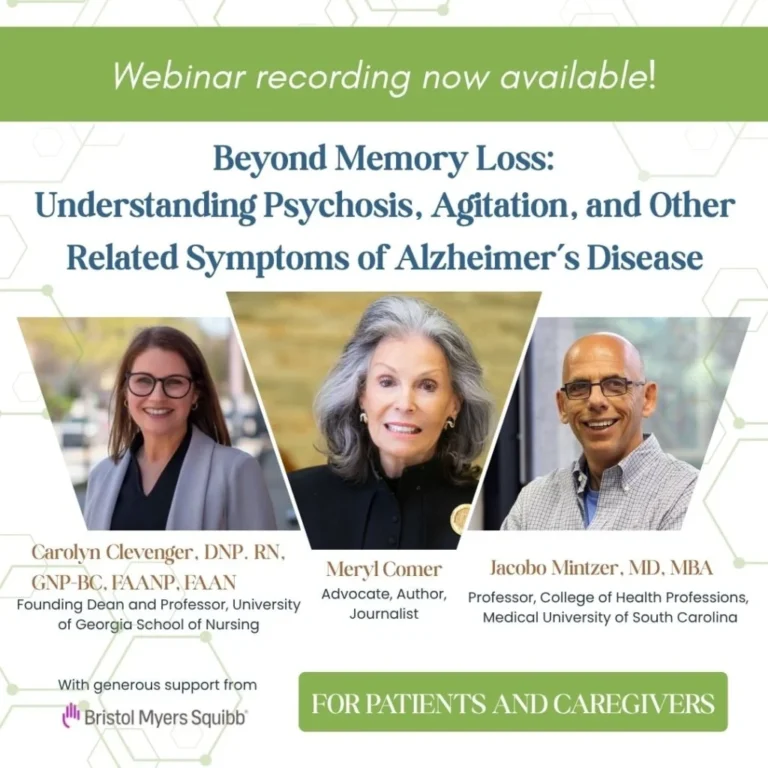
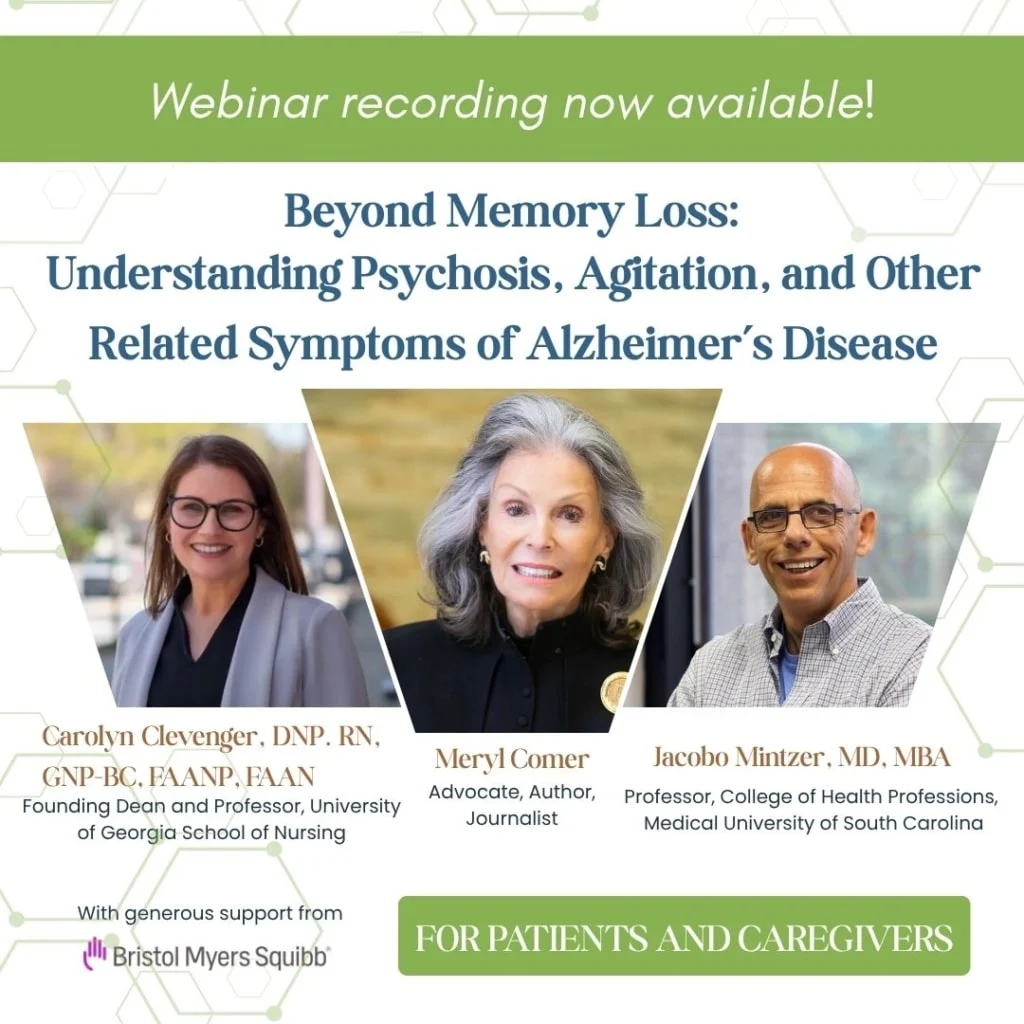
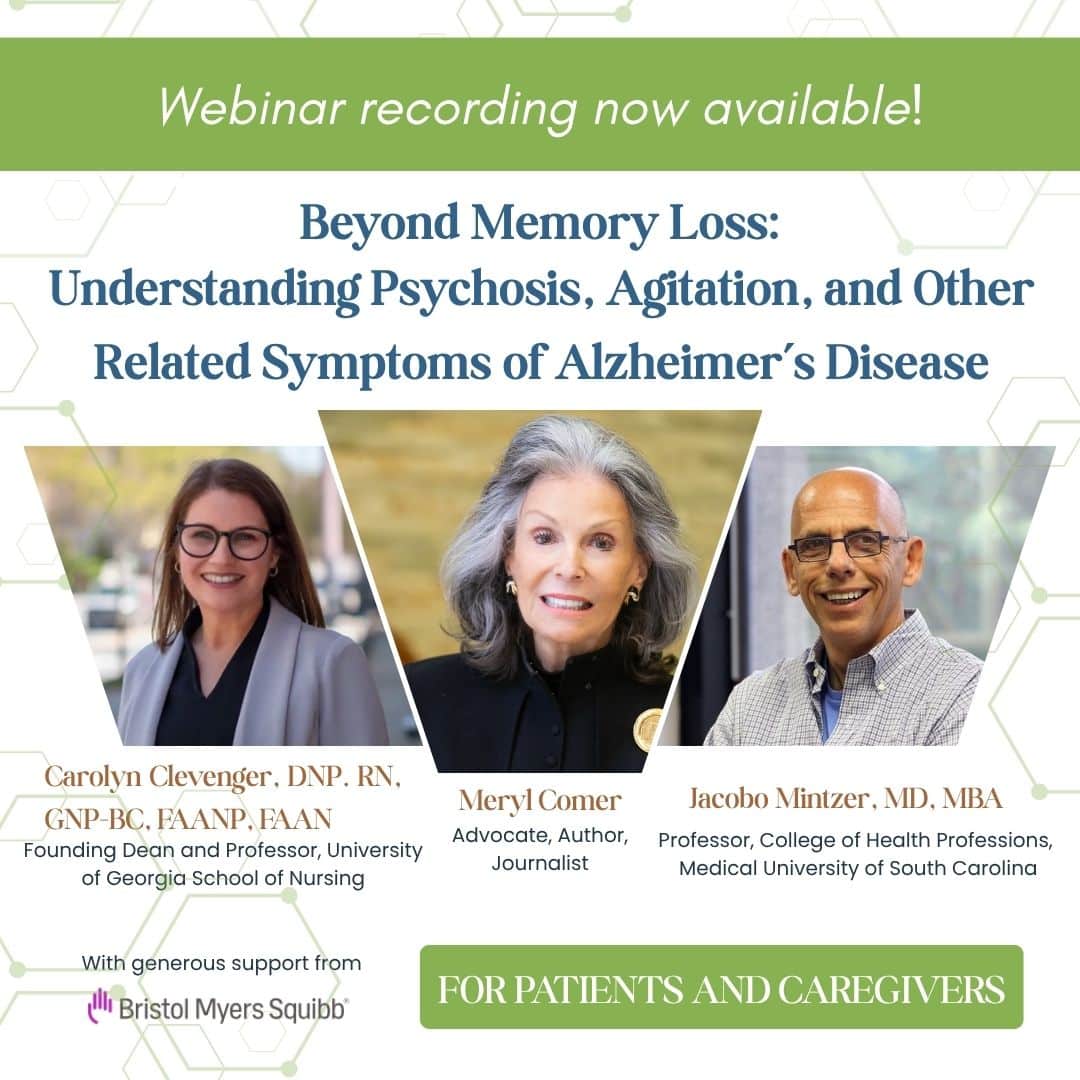
Recognizing an urgent need to address this "hidden" side of the disease, the Alliance for Aging Research recently hosted a landmark webinar, Beyond Memory Loss: Understanding Psychosis, Agitation, and Other Symptoms in Alzheimer’s Disease. Made possible through the generous support of Bristol Myers Squibb, the initiative seeks to dismantle the stigma surrounding neuropsychiatric symptoms (NPS) and provide a roadmap for those struggling to navigate the emotional complexities of caregiving.
The Core Reality: Redefining Alzheimer’s Beyond Memory
While popular culture often paints Alzheimer’s as a simple condition of forgetting, clinicians and family caregivers know it to be a far more complex, multisystem disorder. Beyond cognitive impairment, the disease frequently manifests as a suite of neuropsychiatric symptoms that can include severe agitation, profound apathy, debilitating anxiety, depression, sleep disturbances, and episodes of psychosis.
These behaviors are not merely "willful" actions or personality flaws; they are biological expressions of a brain under siege. Yet, because these symptoms are often misunderstood by the public—and even by some healthcare providers—they are frequently dismissed or incorrectly labeled as behavioral problems. This dismissal exacerbates the isolation felt by caregivers, who often bear the brunt of these episodes without adequate support or training.
A Three-Month Journey to Impact
The development of the webinar was a meticulous three-month process aimed at synthesizing complex medical research into actionable, compassionate guidance. The result was a resounding success: the event drew an initial audience of over 3,000 live attendees, and the recorded session has since garnered nearly 30,000 views, signaling a massive, unmet hunger for information regarding the behavioral facets of dementia.
The panel featured a trio of experts: Meryl Comer, a renowned advocate for dementia caregivers, alongside clinical experts Dr. Carolyn Clevenger and Dr. Jacobo Mintzer. Together, they provided a comprehensive overview of how to assess, manage, and treat these symptoms, moving the needle from reactive crisis management to proactive, empathetic care.
Expert Insights: Viewing Behavior as a Symptom
A central theme of the webinar was the radical shift in perspective required to care for someone with Alzheimer’s. Dr. Clevenger and Dr. Mintzer emphasized that when a patient begins to exhibit challenging behaviors—such as pacing, agitation, or sudden anger—caregivers must stop viewing these as "choices."
Reframing the Response
"These behaviors are symptoms, not choices," the panel underscored. This philosophical shift is essential for effective management. For example:
- Wandering: Instead of viewing this as a nuisance, caregivers are encouraged to treat it as a physiological need to move, requiring safe, structured environments rather than restrictive measures.
- Agitation: Rather than reacting with frustration, caregivers can utilize non-pharmacological interventions, such as music therapy, to ease a patient’s distress.
- Psychosis: When patients experience hallucinations or delusions, the experts advised against arguing with the patient’s reality. Instead, validation and redirection are far more effective tools for de-escalation.
Meryl Comer, who has lived the experience of caregiving firsthand, shared her own journey of "living inside her husband’s version of reality." Her testimony resonated deeply with the audience, as she articulated the immense emotional and physical toll of navigating a world where a loved one’s perception of reality is increasingly disconnected from our own.
Supporting Data: The Burden of Caregiving
The emotional resonance of the webinar was reflected in the thousands of messages and emails received by the Alliance in the days following the broadcast. The feedback underscored a vital reality: NPS are among the most isolating aspects of the caregiving journey.
When a loved one begins to experience psychosis—seeing or hearing things that are not there—or becomes physically agitated or violent, the caregiver often feels completely helpless. The webinar served as a critical intervention for these individuals, many of whom reported that for the first time in their journey, they felt "heard" and "supported."
The data supports this narrative of isolation. Caregivers of patients with severe neuropsychiatric symptoms report higher levels of burnout, depression, and financial strain compared to those whose loved ones primarily exhibit memory loss. By providing educational tools, the Alliance is not just helping patients; they are actively working to preserve the health and longevity of the caregivers themselves.
Implications for Future Care and Policy
The success of the Beyond Memory Loss webinar highlights a systemic gap in the current healthcare model. As we look toward the future, the implications are clear:
- Clinical Education: There is a critical need for physicians to be better trained in identifying and addressing NPS early in the disease progression.
- Public Awareness: Efforts must continue to remove the stigma associated with behavioral symptoms, ensuring families seek help sooner.
- Support Systems: Caregiver education must be treated as a standard of care. Providing caregivers with the tools to manage symptoms effectively reduces the likelihood of premature institutionalization of the patient.
Conclusion: A Message of Validation
The webinar concluded with a poignant and necessary message from Dr. Clevenger. Addressing the exhausted, overwhelmed, and often guilt-ridden audience, she offered a simple but profound truth: "What you’re doing is hard, and you’re doing it well."
This validation is not just a kind sentiment; it is a vital part of the recovery process for the "second patient" in the room—the caregiver. By shifting the focus from the impossible goal of "curing" the behavior to the achievable goal of managing the symptoms with dignity and grace, the Alliance has provided a necessary light for those navigating the darkest chapters of Alzheimer’s disease.
For those who were unable to attend the live session, the full recording remains available online, serving as a comprehensive resource for families, clinicians, and support groups alike. As we continue to advance our understanding of Alzheimer’s, the commitment to addressing the whole person—and the whole family—remains the most important work in the field.
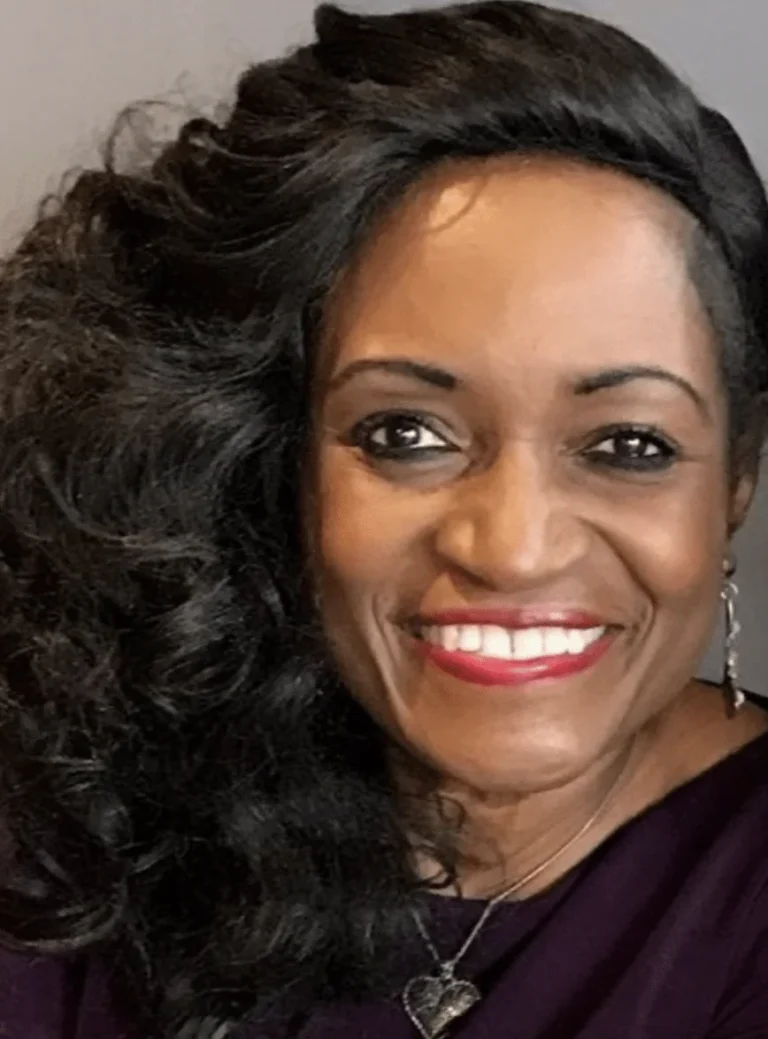
Katrin Werner-Perez serves as the Director of Health Programs at the Alliance for Aging Research and continues to champion initiatives that bridge the gap between complex medical research and the daily realities of patient care.
To watch the full recording of the webinar, please visit the official YouTube link here.