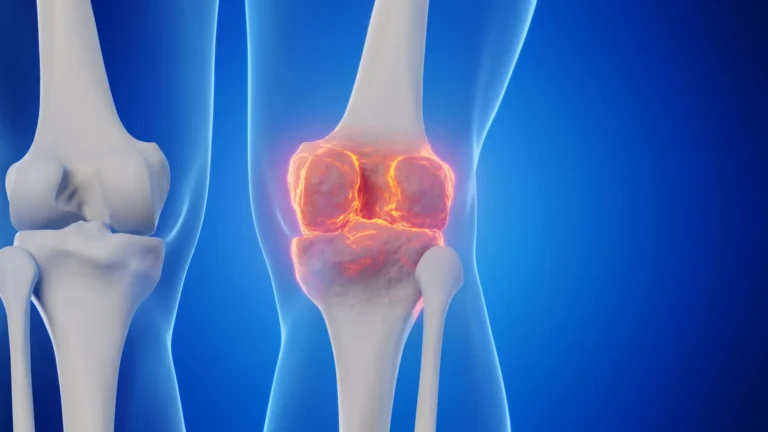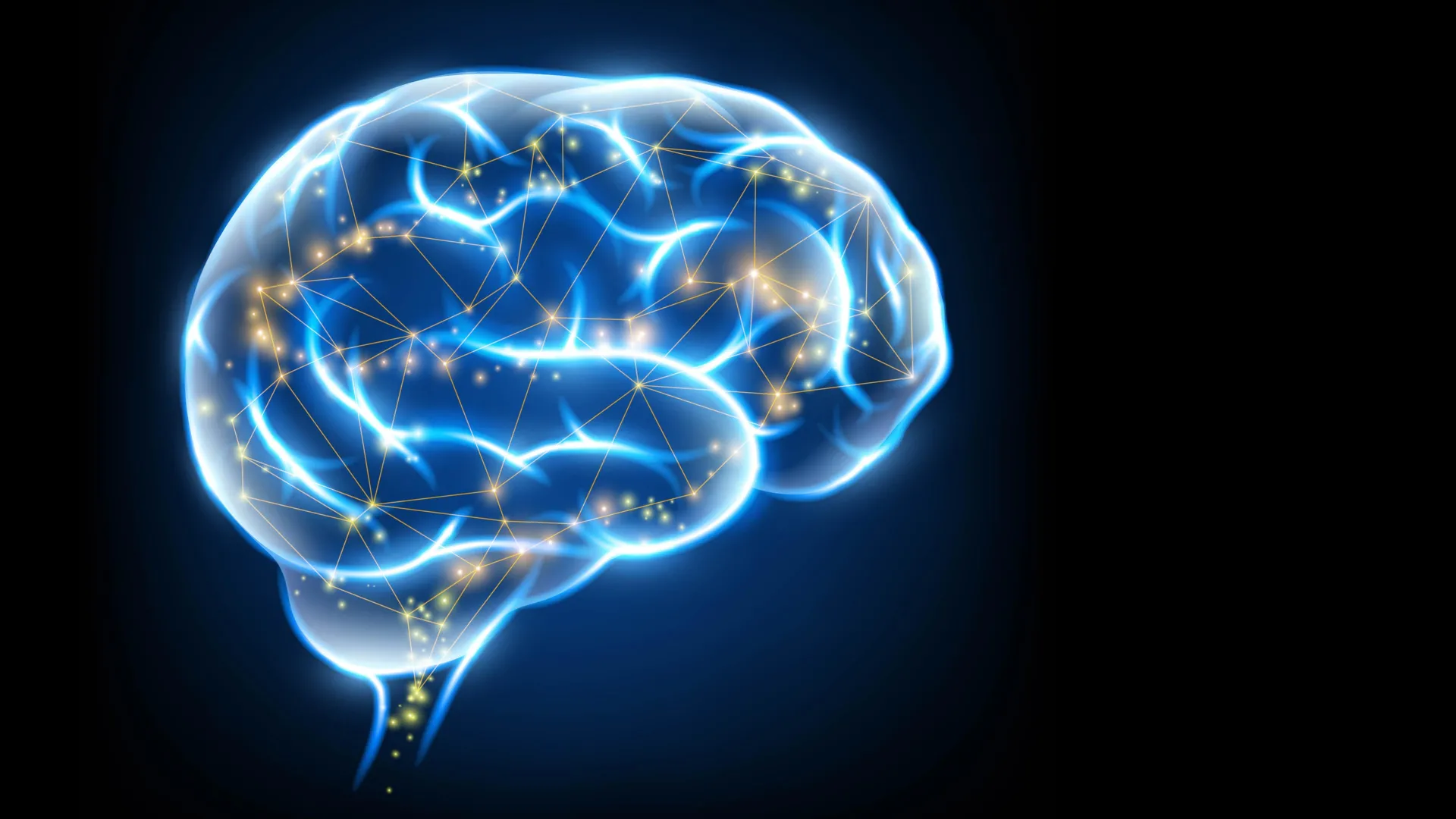
Neurodegenerative diseases—a collection of devastating conditions including Alzheimer’s, Parkinson’s, and Huntington’s—have long been characterized by a relentless, progressive destruction of the brain’s architecture. At the core of these pathologies is the systemic death of neurons, the specialized cells responsible for transmitting the electrical and chemical signals that define human thought, memory, and motor function. As these cellular networks wither, patients experience a catastrophic decline in cognitive and physical capabilities, often leading to a total loss of independence.
For decades, the medical community has focused on symptomatic relief or slowing the pace of decline. While recent pharmaceutical breakthroughs like lecanemab and donanemab represent significant strides in targeting early-stage Alzheimer’s pathology, they remain limited in their scope: they do not restore lost memories or rebuild the shattered neural tissue. Now, a pioneering study published on July 3, 2025, in ACS Chemical Neuroscience suggests a paradigm shift. Researchers at the Shibaura Institute of Technology (SIT) in Japan have developed a series of novel vitamin K analogues that show the potential to stimulate the birth of new neurons, offering a glimpse into a future where brain repair—rather than just damage control—becomes a reality.
The Evolution of Vitamin K: From Clotting to Cognition
Vitamin K has historically been categorized by its physiological roles in blood coagulation and the maintenance of bone mineral density. However, in the last decade, a growing body of evidence has positioned this fat-soluble vitamin as a critical player in neurobiology. Specifically, it has been linked to neuronal differentiation—the complex biological process by which immature neural progenitor cells transform into fully functional, signaling neurons.
Despite these known benefits, natural vitamin K, specifically the form known as menaquinone-4 (MK-4), possesses limitations in its potency and bioavailability. Its natural form is not sufficiently robust to act as a standalone regenerative agent in the context of advanced neurodegeneration. To bridge this gap, Associate Professor Yoshihisa Hirota and Professor Yoshitomo Suhara of the Department of Bioscience and Engineering at SIT set out to engineer a "super-powered" version of the vitamin.
The Chronology of Discovery
The research team’s journey toward this breakthrough followed a rigorous, multi-year path of chemical synthesis and biological validation:
- Phase 1: Molecular Engineering. The team synthesized 12 distinct hybrid vitamin K homologs. By modifying the vitamin’s chemical structure, they sought to enhance its interaction with cellular receptors known to drive neuronal growth.
- Phase 2: Hybridization. The researchers utilized retinoic acid—a metabolite of vitamin A renowned for its neuro-regenerative properties—as a key structural partner for the vitamin K hybrids.
- Phase 3: Benchmarking and Selection. The team tested these 12 candidates against control groups to measure their ability to induce neuronal differentiation. Through rigorous analysis of gene activity and the expression of Map2 (a protein marker for mature neuronal health), one compound emerged as the clear frontrunner.
- Phase 4: Mechanistic Investigation. The researchers utilized molecular docking studies and gene expression profiling to understand how the new compound, dubbed "Novel VK," interacts with the brain’s cellular machinery, specifically identifying the mGluR1 receptor pathway as the primary driver of the regenerative effect.
Supporting Data: Why "Novel VK" Stands Out
The strength of the SIT study lies in its multifaceted validation of the new compound. To ensure that "Novel VK" was not just a theoretical improvement, the team put it through a series of demanding experimental tests.
Enhanced Potency and Receptor Interaction
The primary hurdle for previous vitamin K applications was the modest level of neuronal differentiation they induced. Dr. Hirota’s team found that their newly synthesized analogues demonstrated approximately threefold greater potency than natural vitamin K.
This potency is driven by a unique dual-action mechanism. Vitamin K and retinoic acid typically function through different receptors—the steroid and xenobiotic receptor (SXR) and the retinoic acid receptor (RAR), respectively. The hybrid molecule successfully preserved the biological activity of both, allowing the compound to "hijack" multiple pathways simultaneously to signal the progenitor cells to mature.
The Role of mGluR1
Perhaps the most surprising finding was the discovery of the role played by metabotropic glutamate receptors (mGluRs). By comparing neural stem cells treated with MK-4 against those treated with a suppressing compound, the team identified that the regenerative signal is specifically mediated through the mGluR1 pathway.
This is a critical observation because mGluR1 is intrinsically linked to synaptic transmission. In studies of mice lacking the mGluR1 receptor, researchers have observed severe motor and cognitive dysfunction that mirrors human neurodegenerative symptoms. By targeting this specific receptor, Novel VK has the potential to address both the loss of neurons and the loss of communication (synaptic transmission) between the remaining cells.
Crossing the Blood-Brain Barrier
A drug’s efficacy is moot if it cannot reach the target. The SIT team utilized structural simulations to demonstrate that Novel VK has a higher binding affinity for mGluR1 than natural MK-4. Furthermore, in vivo mouse experiments confirmed that the compound possesses a stable pharmacokinetic profile, allowing it to cross the blood-brain barrier effectively and accumulate in the brain at higher concentrations than natural vitamin K ever could.
Official Responses and Expert Perspective
The implications of this research are being watched closely by the international neurobiology community. While the researchers are cautious to emphasize that their findings remain at the preclinical stage, the potential for a transformative impact on patient care is clear.
Dr. Yoshihisa Hirota, lead researcher on the project, believes the work represents a departure from the "maintenance-only" model of current medicine. "Our research offers a potentially groundbreaking approach to treating neurodegenerative diseases," says Dr. Hirota. "A vitamin K-derived drug that slows the progression of Alzheimer’s disease or improves its symptoms could not only improve the quality of life for patients and their families but also significantly reduce the growing societal burden of healthcare expenditures and long-term caregiving."
The collaborative nature of the study, involving both experts in medicinal chemistry and nutritional biochemistry, highlights the interdisciplinary effort required to tackle the complexities of the brain. Professor Yoshitomo Suhara, a veteran of medicinal drug discovery, notes that the focus on "bioactive small molecules" derived from fat-soluble vitamins has been a long-term goal of his laboratory, aimed at bridging the gap between basic nutritional science and high-stakes clinical intervention.
Implications: A New Era for Neurodegeneration?
The current landscape of Alzheimer’s treatment is dominated by anti-amyloid therapies. While these drugs have finally cleared the high bar of FDA approval, they remain "biological cleaners" rather than "architects." They clear the debris (amyloid plaques) but do not rebuild the house.
The SIT research proposes a different objective: Regenerative Neurobiology. If the results observed in mouse models can be successfully translated to human trials, the medical field might move toward a dual-pronged strategy:
- Clearance: Using current therapies to remove toxic proteins.
- Regeneration: Using agents like Novel VK to prompt the brain to replace the cells lost during the disease process.
The Road Ahead: From Bench to Bedside
Despite the optimism, the transition from lab to clinic is notoriously difficult. The research team acknowledges several key hurdles that must be overcome before this compound can be tested in human patients:
- Toxicology and Safety: Extensive longitudinal studies are required to ensure that inducing neuronal differentiation in a mature, adult brain does not lead to unintended consequences, such as uncontrolled cell growth.
- Human Pharmacokinetics: The way a compound metabolizes in mice does not always mirror human biological responses. Future trials will need to assess how Novel VK behaves in the human metabolic environment.
- Clinical Efficacy: Proving that the growth of new neurons translates into the actual recovery of memory or motor function requires years of rigorous clinical trial data.
Nevertheless, by identifying the mGluR1 pathway as a viable target for vitamin K-based intervention, Dr. Hirota and Professor Suhara have provided the scientific community with a roadmap. This research moves the needle from speculative inquiry to a targeted, molecule-driven strategy for brain repair.
As populations age globally, the prevalence of Alzheimer’s and Parkinson’s continues to climb, creating a looming public health crisis. The work conducted at the Shibaura Institute of Technology serves as a beacon of progress, suggesting that the solutions to some of our most complex medical challenges might be found in refining the very nutrients that have supported human health for millennia. The path to a cure remains long, but with the development of Novel VK, the horizon of regenerative medicine has never looked more reachable.