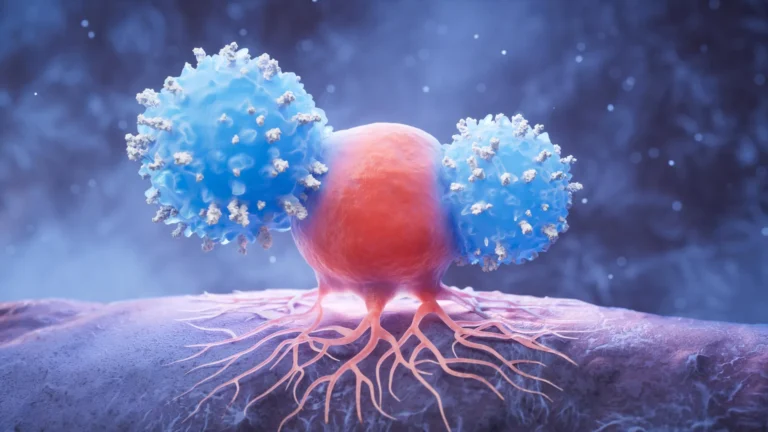
For decades, a diagnosis of metastatic pancreatic cancer has been synonymous with a grim prognosis. Characterized by aggressive progression and a notorious lack of early warning signs, the disease has long remained one of the most formidable challenges in modern oncology. Between 2015 and 2021, the statistics painted a stark picture: approximately 97% of patients diagnosed with metastatic pancreatic cancer succumbed to the disease within five years.
However, the medical community is now witnessing a seismic shift. A new targeted therapy, daraxonrasib, has emerged from the shadows of clinical research, demonstrating the ability to neutralize the primary genetic driver of pancreatic tumors. By effectively "switching off" the protein that commands cancer cells to multiply, this drug has nearly doubled survival rates in late-stage patients, signaling the end of the era where pancreatic cancer was considered universally "undruggable."
The Silent Killer: Why Pancreatic Cancer Defies Treatment
The lethality of pancreatic cancer is rooted in its biological stealth. Unlike other malignancies that may present with localized discomfort or visible indicators in their nascent stages, pancreatic cancer often remains asymptomatic until it has metastasized to the liver, lungs, or peritoneum. By the time a patient presents with classic symptoms such as jaundice—a telltale yellowing of the skin and eyes—or persistent abdominal pain, the cancer has frequently bypassed the window for curative surgery.
As a gastrointestinal oncologist, I have spent years navigating the limitations of current treatments. For generations, the standard of care has relied almost exclusively on systemic chemotherapy. These potent, broad-spectrum agents are designed to target rapidly dividing cells, but they act as "blunt instruments" rather than precision tools. While they may temporarily arrest tumor growth, they also wreak havoc on healthy tissue, leading to debilitating side effects, and they are frequently rendered ineffective as cancer cells adapt and develop resistance.
Decoding the ‘Undruggable’ Mutation: The KRAS Story
The fundamental reason for the failure of standard treatments lies in the genetics of the disease. More than 90% of pancreatic tumors are driven by mutations in the KRAS gene. In a healthy cell, the KRAS protein acts as a molecular switch, regulating essential growth signals. When the gene mutates, however, this switch becomes permanently stuck in the "on" position, ordering cancer cells to proliferate uncontrollably.
For decades, the KRAS protein was dismissed by the pharmaceutical industry as "undruggable." The protein’s surface is exceptionally smooth, lacking the distinct molecular "pockets" or binding sites that allow conventional drugs to latch on and inhibit activity. Without a targetable structure, researchers could not design a small molecule to disable the switch. This forced clinicians to rely on the aforementioned toxic chemotherapy, leaving patients with little recourse as their tumors continued to grow unchecked.
The Dawn of Daraxonrasib: A New Mechanism of Action
The breakthrough arrived in the form of daraxonrasib, a daily oral medication that circumvents the traditional need for a surface binding pocket. Instead of attempting to latch onto the smooth surface of the KRAS protein directly, daraxonrasib employs a clever, indirect strategy.
The drug targets a cellular protein called cyclophilin A, which is responsible for folding other proteins into their functional 3D shapes. When daraxonrasib attaches to cyclophilin A, it creates a complex that is uniquely capable of binding to the active KRAS protein. Once bound, this complex effectively shuts down the KRAS signaling pathway, halting the relentless growth signal that characterizes pancreatic cancer.
The Chronology of Discovery
The journey to this discovery represents years of iterative research in molecular biology:
- Early 2000s–2015: Decades of failure in attempting to create a direct KRAS inhibitor led to a shift toward synthetic lethal approaches and indirect targeting.
- 2016–2024: Preclinical development of compounds capable of manipulating the protein-folding environment within cancer cells.
- May 31, 2026: Revolution Medicines officially presented the findings of a Phase 3 clinical trial involving 500 patients with previously treated metastatic pancreatic cancer.
- Present Day: The medical community shifts its focus toward regulatory approval and the integration of daraxonrasib into standard clinical protocols.
Supporting Data: By the Numbers
The Phase 3 clinical trial results, published in the New England Journal of Medicine, provide the most robust evidence to date that targeting KRAS is a viable path forward. The data revealed:
- Survival Extension: Patients treated with daraxonrasib saw their median overall survival increase from 6.7 months (the standard achieved by chemotherapy) to 13.2 months.
- Mortality Reduction: The drug demonstrated a 60% reduction in the risk of death compared to traditional chemotherapy regimens.
- Quality of Life: While the drug is not without side effects—most notably an 86% incidence of skin rash and occasional cases of stomatitis (painful oral sores)—patients reported significantly less pain and a higher quality of life compared to those on chemotherapy. Crucially, the rate of discontinuation due to severe adverse events was significantly lower with daraxonrasib than with current standard-of-care chemotherapy.
Official Responses and Regulatory Outlook
The oncology community has greeted these findings with cautious optimism. Because metastatic pancreatic cancer is a high-unmet-need condition, the FDA and international regulatory bodies often utilize "fast-track" or "breakthrough therapy" designations to expedite the review process.
Revolution Medicines is currently preparing the formal submission package to regulatory agencies. While the timeline depends on the speed of the FDA’s review, industry analysts suggest that if granted priority status, the drug could be available in clinical settings within months.
"This is not just another chemotherapy agent," said one lead investigator during the trial presentation. "This is a fundamental shift in the paradigm of how we treat pancreatic cancer. By moving from non-specific cell killing to precise genetic inhibition, we are finally providing patients with a targeted intervention that matches the specific biological cause of their disease."
Implications for the Future of Oncology
The success of daraxonrasib has far-reaching implications that extend beyond pancreatic cancer.
- Personalized Oncology: This development serves as a proof-of-concept that "undruggable" targets can be addressed through creative medicinal chemistry, such as targeting the protein-folding machinery of the cell.
- Combination Therapies: The future of pancreatic cancer treatment will likely involve "cocktails" of drugs. Researchers are already looking into pairing daraxonrasib with other inhibitors to prevent tumors from developing secondary resistance pathways.
- A Shift in Expectations: For patients and families, the news brings more than just months of survival; it brings the hope of transforming a terminal diagnosis into a chronic, manageable condition.
As we look toward the future, the success of daraxonrasib provides a blueprint for tackling other aggressive, mutation-driven cancers. It serves as a reminder that the "impossible" is often just a limitation of our current tools. With the arrival of this precision therapy, the oncology field has taken a historic step toward finally turning the tide against one of humanity’s most persistent medical challenges.
As regulatory review begins, the medical community remains focused on the potential for this drug to not only extend life but to restore quality of life for thousands of patients who previously had nowhere else to turn. The era of the "undruggable" tumor is ending; the era of precision pancreatic oncology has begun.