For millions of Americans, the simple act of rising from a chair, walking to the mailbox, or climbing a flight of stairs has become a calculated negotiation with pain. Knee osteoarthritis (OA), the most prevalent form of joint disease, is often dismissed as an inevitable consequence of aging. However, medical experts are increasingly reframing this condition not merely as a "wear and tear" inevitability, but as a manageable—and often preventable—chronic health challenge that demands a proactive approach to lifestyle and medical intervention.
The Anatomy of the Condition: What Happens Inside the Joint?
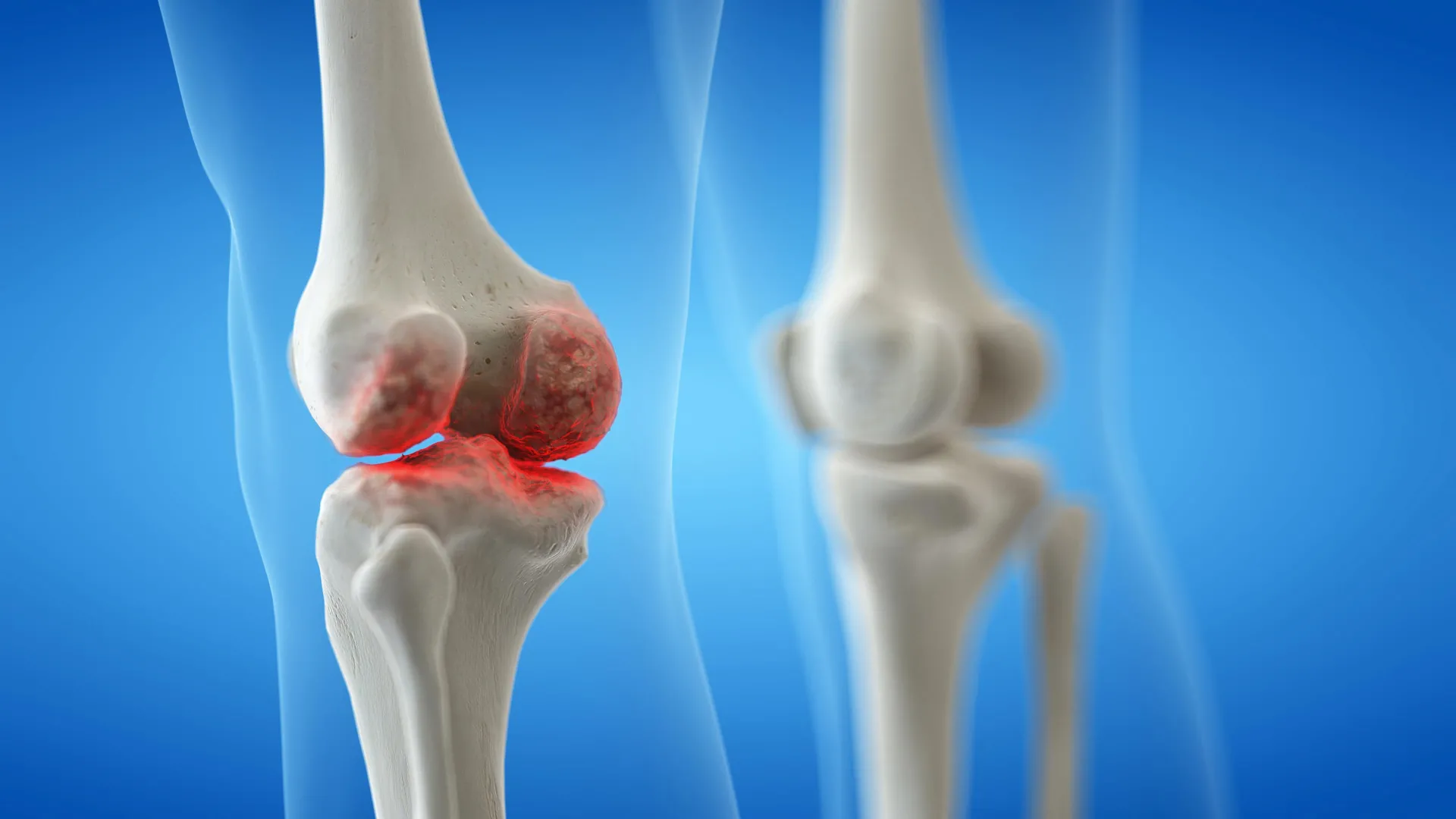
At its core, knee osteoarthritis is a degenerative disease characterized by the gradual breakdown of articular cartilage. This specialized, smooth tissue acts as a shock absorber, lining the ends of the femur and tibia to allow for frictionless movement. When this protective layer thins or wears away, the underlying bone is exposed to increased stress, leading to the hallmark symptoms of OA: stiffness, swelling, and localized pain.
As the condition progresses, the bone may begin to reshape itself, forming bony growths known as osteophytes, which further complicate joint mechanics and exacerbate discomfort. While the structural degradation is the physical manifestation of the disease, the biological experience is far more systemic. Chronic inflammation within the joint capsule often drives the pain cycle, creating a feedback loop that can diminish a patient’s mobility and, by extension, their overall vitality.
Chronology and Scope: A Public Health Epidemic
The prevalence of knee osteoarthritis is staggering. According to recent health data, more than 30 million adults in the United States currently struggle with some form of the condition. While the common narrative suggests that OA is an ailment of the elderly, the reality is far more inclusive; approximately half of all diagnosed cases occur in individuals of working age.
The trajectory of the disease often begins with subtle, intermittent discomfort following periods of intense activity. Over months or years, these "bad days" become more frequent. If left unmanaged, the mechanical changes in the knee can lead to a sedentary lifestyle, which opens the door to a host of secondary complications. This chronological progression—from mild, activity-related stiffness to chronic, debilitating pain—highlights the importance of early intervention. Waiting until the joint is "bone-on-bone" often limits the efficacy of conservative treatments, potentially forcing patients into more invasive surgical options like total knee arthroplasty earlier than might have been necessary.
Supporting Data: The Ripple Effects of Joint Health
The impact of knee osteoarthritis extends well beyond the joint itself. It is a catalyst for a decline in systemic health. When movement becomes painful, individuals naturally gravitate toward sedentary behaviors. This shift is not merely an inconvenience; it is a clinical risk factor.
- Economic Impact: The condition is a leading cause of missed workdays and reduced professional productivity. The financial burden—both in terms of medical expenses and lost wages—is substantial.
- Comorbidity Risks: A reduction in physical activity is strongly linked to a higher risk of developing metabolic and cardiovascular diseases. Chronic conditions such as type 2 diabetes, heart disease, and even certain types of cancer have been correlated with the inactivity triggered by severe joint pain.
- The Weight-Joint Connection: The physics of the knee are unforgiving. Dr. Abby Cheng, an orthopedic surgeon at the Washington University School of Medicine in St. Louis, notes a powerful statistic: for every pound of body weight lost, the pressure on the knee joint is reduced by four pounds during each step. Consequently, a modest weight loss of 10 pounds can alleviate 40 pounds of force from the joint, providing a profound, immediate improvement in pain levels.
Official Perspectives: Expert Insights on Management
Dr. Abby Cheng, who specializes in physiatry—the branch of medicine focused on nonsurgical treatment and rehabilitation—emphasizes that the diagnosis of osteoarthritis should not be viewed as a final verdict on one’s mobility. Instead, it should serve as a call to action.
"Osteoarthritis can cause knee pain and stiffness, which can negatively impact a person’s activity level, risk of falling, mood, and general quality of life," Dr. Cheng explains. Her approach focuses on the intersection of lifestyle modification and medical guidance.
Regarding treatment, Dr. Cheng advocates for a multi-modal strategy. While pharmaceutical interventions—such as anti-inflammatory medications or targeted cortisone injections—can provide necessary relief, they are most effective when paired with physical therapy. Strengthening the quadriceps (the thigh muscles) is essential, as these muscles act as the primary stabilizers for the knee. By offloading the joint through muscle reinforcement, patients can often regain function that they believed was permanently lost.
Lifestyle as Medicine: Proactive Strategies
The management of knee osteoarthritis is as much about what happens in the kitchen and the gym as it is about what happens in the clinic.
The Anti-Inflammatory Approach
Diet plays a significant role in managing systemic inflammation. Dr. Cheng suggests a pivot toward plant-forward nutrition. By increasing the intake of fruits, vegetables, and whole grains while strictly limiting processed foods and added sugars, patients can potentially reduce the biochemical inflammation that exacerbates joint pain.
Debunking the "No-Running" Myth
A common misconception is that running is inherently destructive to the knees. Modern research suggests that for many, running is a perfectly viable form of exercise, provided the individual has the appropriate biomechanics and strength to support the activity. Avoiding all impact-based exercise can lead to muscle atrophy, which ultimately makes the joint more vulnerable. The key is balance: pairing movement with strength training and appropriate recovery.
Breaking the Genetic Cycle
One of the most persistent myths surrounding osteoarthritis is the concept of genetic inevitability. Many patients assume that because their parents or grandparents suffered from severe knee issues, their own fate is sealed. Dr. Cheng challenges this fatalistic view. While genetics do play a role in joint health, they do not dictate the outcome. Through consistent physical activity, weight management, and early medical intervention, individuals can drastically lower their risk of developing severe, symptomatic OA, regardless of their family history.
The Future of Care: Implications for the Patient
The management of knee osteoarthritis is undergoing a paradigm shift. Rather than waiting for the joint to deteriorate to the point of surgical necessity, the current standard of care emphasizes "pre-habilitation" and long-term joint preservation.
For the patient, this means taking a more active role in their health trajectory. It involves:
- Early Screening: Consulting with a physician at the first sign of persistent stiffness.
- Multidisciplinary Teams: Working with orthopedists, physical therapists, and nutritionists to build a holistic plan.
- Consistency over Intensity: Small, daily habits—such as a 20-minute strengthening routine or a shift in dietary choices—are far more effective at preserving joint health than intermittent, high-intensity efforts.
The message from the medical community is clear: osteoarthritis is not a static disease. It is a dynamic condition that responds to the lifestyle choices made every single day. By understanding the mechanics of the joint, the importance of muscle support, and the systemic effects of inflammation, patients can shift from a state of passive endurance to one of active control.
Your joints are the foundation of your independence. By investing in their health today through informed movement and conscious nutrition, you are not just protecting your knees—you are protecting your quality of life for the years to come. It is your health, and it is time to take control.