Chronic pain is often incorrectly viewed through a lens of demographic bias. In childhood, symptoms are frequently dismissed as growing pains; in early adulthood, the "you look fine" fallacy leads to accusations of malingering; and in the golden years, society often lazily categorizes debilitating agony as the mere, inevitable consequence of aging.
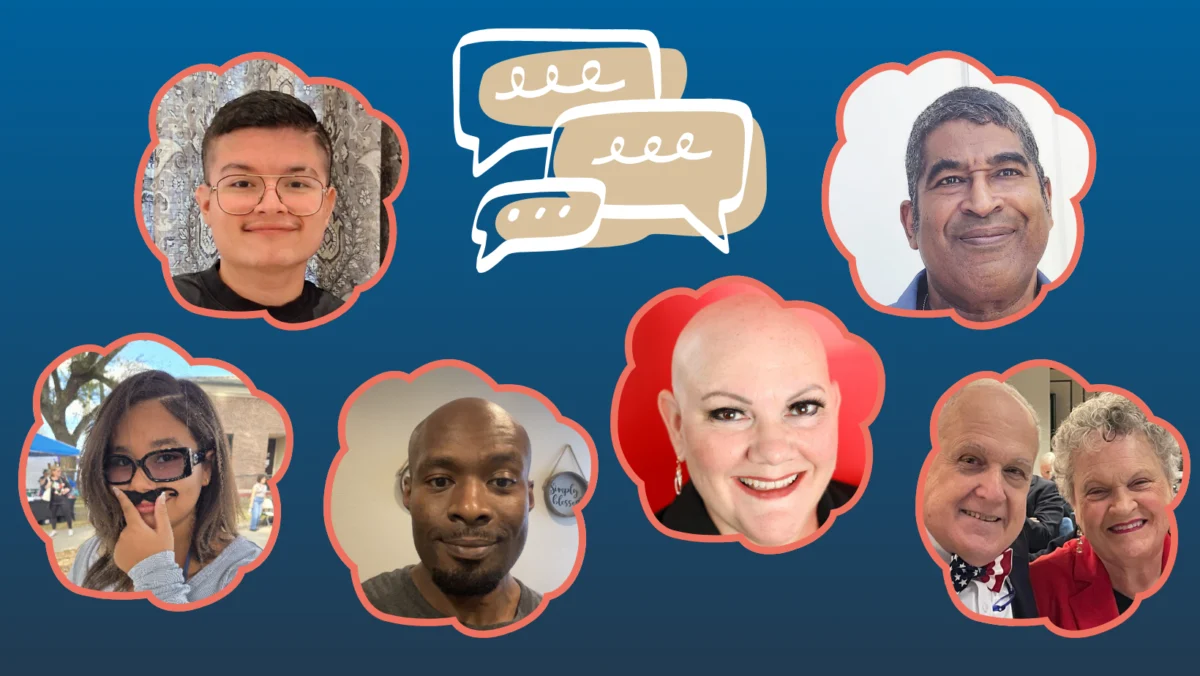
However, the U.S. Pain Foundation recently undertook a profound initiative to dismantle these ageist stereotypes. By profiling seven individuals ranging from age 10 to 77, the organization has highlighted a sobering reality: pain does not discriminate, and it does not follow a prescribed timeline. While the manifestation of chronic pain varies across the life cycle, the psychological burden, the struggle for validation, and the systemic hurdles remain constant threads in the tapestry of the patient experience.
The Chronology of Suffering: A Life-Stage Perspective
The human experience of pain evolves as we age, shifting from a disruption of childhood development to a complex management of systemic health in later years.
The Childhood Burden (Age 10)
For ten-year-old Amerie, who navigates a complex web of conditions including fibromyalgia, neuropathy, and chronic migraine, pain is a thief of normalcy. Diagnosed at just two years old, Amerie lives in a body that refuses to cooperate with her mind. "It’s not that I don’t want to participate," she explains, "it’s that my body won’t let me." Her experience underscores a critical failure in our social empathy: the expectation that children must be resilient enough to "show up" despite physiological limitations.
The Young Adult Advocacy (Age 22)
Mathiaz, 22, represents the generation caught in the transition to independence. With a suite of conditions like idiopathic intracranial hypertension and psoriatic arthritis, his primary challenge is the "invisibility" of his symptoms. In a professional and social environment that prizes productivity, Mathiaz is forced to become a lifelong medical advocate. He notes that he must constantly justify his need to "slow down" to peers who assume his limitations are a choice rather than a biological necessity.
Mid-Life and the Identity Crisis (Ages 33–45)
For Matthew (33) and Katy (45), the narrative shifts toward long-term identity management. Matthew has learned that isolation is the enemy of recovery, finding that sharing his struggle is the only way to move forward. Conversely, Katy describes the profound sense of "falling behind." Having dealt with pain for 16 years, she grapples with the realization that her life trajectory—career, family, and home-building—has been fundamentally altered by her condition, a reality that her able-bodied peers cannot fully grasp.
The Wisdom and Fatigue of Later Years (Ages 56–77)
As patients reach their 50s and 60s, the battle becomes one of agency. Christie (56) emphasizes the importance of self-empowerment through meditation and sleep hygiene, even while the medical system struggles to provide definitive cures for complex conditions like Ehlers-Danlos syndrome. By 65, Reginald notes that the stigma shifts from "you’re too young" to the dangerous assumption of substance abuse. Finally, at 77, Marianne provides the perspective of the care partner. Her account of a simple task—buying an office chair—becoming a Herculean effort highlights how chronic pain eventually impacts the entire household, taxing both the patient and the aging spouse who acts as their primary support.
Supporting Data: The Scope of the Crisis
The experiences shared by these individuals are supported by staggering national statistics. According to the Centers for Disease Control and Prevention (CDC), an estimated 50 million U.S. adults live with chronic pain. This represents roughly 20% of the adult population, with a significant subset reporting "high-impact" chronic pain that limits life or work activities on most days.
The economic implications are equally profound. The combined costs of medical treatment and lost productivity due to chronic pain are estimated to exceed $600 billion annually in the United States alone. Despite these numbers, the "medical gaslighting" experienced by many of these patients—where symptoms are dismissed by providers due to a lack of visible markers—remains a pervasive barrier to effective care.
Official Responses and Medical Implications
The medical community is slowly shifting its focus toward "biopsychosocial" models of pain management. This approach moves beyond simple pharmacology, acknowledging that pain is not just a physiological event, but a psychological and social one.
Medical experts and patient advocates are increasingly calling for:
- Standardized Pain Education: Better training for medical students to identify "invisible" symptoms early, preventing the decade-long diagnostic journeys often endured by patients like Christie or Katy.
- Validation as a Treatment Tool: Research suggests that when patients feel their pain is validated by their doctors, their reported pain levels and quality of life outcomes improve significantly.
- Policy Reform: There is a growing demand for policies that move away from the punitive measures seen in the wake of the opioid crisis, which often leave legitimate chronic pain patients without adequate, compassionate care.
The Societal Implications: Why We Must Change
The narratives provided by the U.S. Pain Foundation serve as a mirror to society. We are currently a culture that ties human value to output and productivity. As Christie aptly noted, society needs to move away from viewing "productivity" as the only worthy investment. When we demand that people "push through" their pain to be considered "valuable," we are not promoting resilience; we are promoting systemic harm.
The implications for the future are clear: we need a radical restructuring of how we support those with chronic pain. This includes:
- Accessible Infrastructure: Creating environments where those who need to "move slowly" or "rest" are not penalized.
- Caregiver Support: As highlighted by Marianne, the aging population of caregivers is a silent crisis. Without resources for those who look after the chronically ill, the entire support structure for the elderly and disabled will collapse.
- Empathy-Based Healthcare: Moving away from the "on/off switch" mentality. Chronic pain is a spectrum, not a binary state.
Conclusion: A Call to Compassion
The stories of Amerie, Mathiaz, Matthew, Katy, Christie, Reginald, and Marianne serve as a poignant reminder that pain is a universal, albeit private, experience. Whether one is ten years old or seventy-seven, the desire for validation, autonomy, and a life free from the suffocating weight of constant agony is the same.
We must stop treating chronic pain as an individual failure and start treating it as a societal challenge. By fostering a culture that listens to the patient—regardless of their age—we can begin to dismantle the stigma that keeps millions of people suffering in silence. The "invisible" battle is, in fact, the most pressing public health crisis of our time; it is high time we started treating it with the gravity, resources, and empathy it deserves.