For decades, the public health narrative surrounding nutrition has been dominated by a reductionist philosophy. We have been taught to obsess over the "Big Three" macronutrients—proteins, fats, and carbohydrates—while maintaining a rigid watch over total caloric intake and standard servings of produce. However, a seismic shift is occurring in the halls of nutritional science. As researchers peel back the layers of the human gut microbiome, a new consensus is emerging: the secret to longevity and systemic health may not lie in what we exclude from our diets, but in the sheer variety of what we include.
Main Facts: The Microbiome as a Metabolic Engine
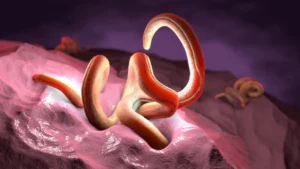
The human gut is home to trillions of microorganisms, a complex ecosystem known as the microbiome. While earlier research focused on how these bacteria aid in digestion, modern science now identifies the microbiome as a metabolic organ that influences everything from immune function and inflammation to cognitive health and mood regulation.
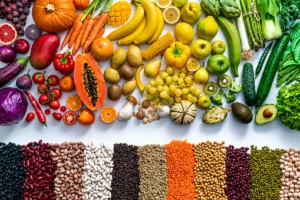
The core principle being established by recent studies is the "Diversity Hypothesis." The logic is straightforward: different species of beneficial gut bacteria thrive on different types of prebiotic fibers and phytochemicals. By consuming a wide array of plant-based foods—including fruits, vegetables, legumes, whole grains, nuts, and seeds—we provide the necessary substrate to foster a diverse microbial community. A more diverse microbiome is inherently more resilient, better equipped to handle environmental stressors, and more efficient at synthesizing essential nutrients that the human body cannot produce on its own.
Chronology: From Caloric Reduction to Microbial Ecology
The evolution of nutritional guidance can be mapped across several distinct eras:
- 1940s–1970s: The Era of Nutrient Deficiency. Post-war nutrition focused on preventing deficiencies. The focus was on caloric adequacy and ensuring intake of essential vitamins (e.g., Vitamin C for scurvy, Vitamin D for rickets).
- 1980s–2000s: The Macro-Counting Era. With the rise of chronic metabolic diseases, the focus shifted toward limiting "bad" inputs. This era birthed the low-fat, low-carb, and low-calorie diet trends, focusing heavily on labels and caloric balance.
- 2010s: The Genomic Revolution. The launch of the Human Microbiome Project (HMP) marked a turning point. For the first time, scientists could map the microbial landscape of the human body, leading to the realization that the gut is a dynamic, living ecosystem.
- 2020s–Present: The Diversity Paradigm. Current research has moved beyond the mere presence of "good" bacteria. The focus is now on the "functional redundancy" of the gut—the idea that a wider variety of plants ensures that if one microbial pathway is disrupted, others can step in to maintain homeostasis.
Supporting Data: The Evidence for Diversity
The shift toward dietary diversity is supported by robust data sets. One of the most cited studies in this field, the American Gut Project—the world’s largest crowd-sourced citizen science project—analyzed the stool samples and dietary habits of over 11,000 participants.
The "30-Plant" Benchmark
The study’s most striking finding was that participants who consumed more than 30 different types of plants per week had significantly more diverse gut microbiomes than those who consumed fewer than 10. The 30-plant threshold appeared to be a "sweet spot" for microbial richness.
Phytochemical Synergy
Data indicates that when we consume a diverse range of plant foods, we are ingesting a complex matrix of polyphenols. These compounds act as "fuel" for specific bacterial strains like Faecalibacterium prausnitzii, which is associated with reduced inflammation. Conversely, a restricted diet—even if it is "healthy" in terms of calories—can lead to microbial starvation, where bacteria begin to consume the protective mucus lining of the gut, potentially triggering autoimmune responses.
Official Responses and Clinical Perspectives
The medical community has been cautious but increasingly supportive of this shift. Dr. Elena Rodriguez, a clinical nutritionist and researcher specializing in gastrointestinal health, notes: "For years, patients asked, ‘Should I cut out bread?’ or ‘Is fruit too high in sugar?’ The answer is rarely about subtraction. It is about the ‘dietary footprint.’ When we talk about health, we are talking about the ecological health of the gut. We need to stop viewing food as just energy and start viewing it as information for our microbial population."
While major health organizations like the American Heart Association and the World Health Organization continue to emphasize caloric balance, their recent guidelines have quietly integrated language regarding "plant-forward" eating. The focus is shifting from "Eat less fat" to "Eat more colors."
The Skeptic’s View
Some critics in the nutrition space argue that focusing on "diversity" is a luxury for those with access to high-end grocery stores. They point out that in food deserts, achieving a 30-plant-a-week count is a socioeconomic challenge rather than a biological one. However, proponents argue that even frozen or canned legumes, seeds, and diverse grains can achieve this goal at a lower cost than processed convenience foods, provided that educational barriers are addressed.
Implications for Public Health and Longevity
The implications of prioritizing dietary diversity are profound. If we accept that a diverse microbiome is a prerequisite for health, our approach to chronic disease management must change.
1. Shift in Disease Prevention
Many chronic illnesses, including Type 2 diabetes, obesity, and inflammatory bowel disease, are linked to microbial dysbiosis (an imbalance in gut bacteria). By increasing dietary diversity, we may be able to alter the gut landscape to favor bacteria that regulate blood glucose and dampen systemic inflammation, effectively preventing diseases before they manifest.
2. The End of "Superfood" Marketing
The concept of the "superfood"—the idea that a single ingredient like kale or acai can "fix" health—is increasingly seen as a marketing myth. The data suggests that no single food is a panacea. The health benefit is found in the pattern of eating, not the purity of the individual ingredient. This requires a shift in how we market health foods, moving away from single-nutrient miracles toward "biodiversity baskets."
3. Personalized Nutrition
As we move forward, the field is heading toward hyper-personalization. Future health models may involve testing an individual’s microbiome and providing a "diversity map"—a list of plants that specifically stimulate that individual’s unique bacterial profile.
Conclusion: A New Philosophy for the Table
The transition from a calorie-centric model to a diversity-centric model is more than a trend; it is a fundamental correction in how we understand our relationship with the natural world. Our bodies are not simply engines that burn fuel; they are hosts to a vast, complex, and vital microbial society.
To embrace dietary diversity is to accept the complexity of the human biological experience. It invites us to return to the basics of whole, plant-based foods, but with a new objective: to feed the trillions of microscopic partners that work in tandem with our cells every second of the day. As we continue to navigate the complexities of modern nutrition, the most sophisticated advice may well be the simplest: eat a wide variety of plants, explore the colors of the produce aisle, and ensure that your plate is as diverse as the ecosystem it supports.
The future of health is not found in the laboratory, but in the variety of our harvest. By expanding our palate, we are quite literally expanding our capacity for health, one bite at a time.