






In the world of clinical medicine, educational publications often focus on the mechanics of disease—the biomarkers, the physiological pathways, and the pharmacological interventions. However, the Breathe journal, the flagship clinical publication of the European Respiratory Society (ERS), has increasingly sought to bridge the gap between clinical data and the lived reality of those navigating chronic conditions.
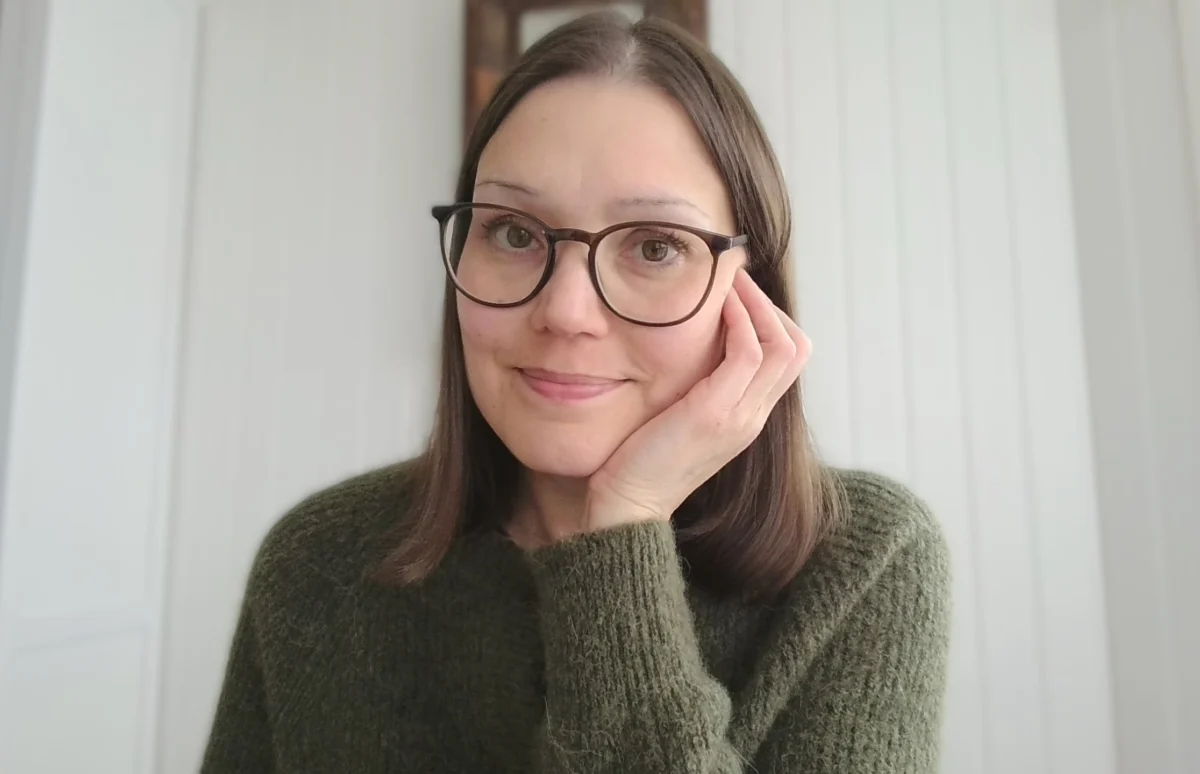
In its latest issue dedicated to pulmonary infections, the journal featured a profound contribution from Tanja Hedberg, a 48-year-old health psychology expert living with Primary Ciliary Dyskinesia (PCD). Her story serves as a critical reminder that for patients with rare diseases, the burden of illness is not merely physical; it is an intricate web of psychological, social, and systemic challenges that often remain invisible to the clinicians tasked with their care.
The Reality of Primary Ciliary Dyskinesia (PCD)
Primary Ciliary Dyskinesia is a rare, genetic condition that affects the microscopic, hair-like structures known as cilia that line the respiratory tract. In a healthy individual, these cilia beat in a synchronized rhythm to clear mucus and pathogens from the lungs. In patients with PCD, this mechanism is impaired, leading to chronic, recurrent pulmonary infections, permanent airway damage (bronchiectasis), and chronic sinus and ear issues.
For Tanja Hedberg, the condition is not a static diagnosis but a lifelong companion. Growing up in a bilingual household in northern Sweden with roots in Finnish Lapland, Hedberg’s life has been defined by rigorous daily self-management and a perpetual state of vigilance. Early in her life, she became colonized by Pseudomonas aeruginosa, a stubborn bacterium that necessitates aggressive and continuous antibiotic therapy.
A Chronology of Uncertainty and Advocacy
The Pre-Diagnosis Era: Navigating the Unknown
Hedberg’s journey toward her diagnosis was marked by decades of systemic confusion. Because PCD is rare, many of its clinical presentations mimic more common conditions, such as Cystic Fibrosis (CF). For years, Hedberg was treated under the umbrella of CF clinical guidelines.
This period was particularly harrowing. When standard airway clearance routines failed to produce the expected results, the burden of the "failure" was often placed on the patient. Without a specific diagnosis, Hedberg felt blamed for her persistent infections, leading to profound emotional distress and a lack of trust in the healthcare system.
The Turning Point: Finding a Name
The eventual diagnosis—identifying the specific CCDC39 genetic variant—was a transformative event. It provided more than just a label; it restored Hedberg’s autonomy. By understanding the physiological basis of her symptoms, she could finally delineate where her body’s limitations ended and where the mismanagement of her care began.
However, the diagnosis also highlighted a significant gap in the medical system. At the time of her diagnosis, information was scarce. Hedberg found herself in a dual role: that of a patient and an informal educator. While empowering, this role remains an exhausting necessity for many living with rare diseases, where the collective knowledge base is still in its infancy.
Evolution of Identity
In her younger years, Hedberg grappled with shame, anger, and the crushing weight of a condition that she felt forced her to live a life different from her peers. The stress of impending lung transplantation discussions in her twenties pushed her to the brink of panic and anxiety. It was here that she sought professional psychological support—a move she views as the catalyst for her current resilience. Today, she speaks of a "peaceful coexistence" with her illness, a state of mind where disappointment and sadness are acknowledged as natural, rather than signs of weakness.
Supporting Data: The Intersection of Psychology and Biology
The data supporting the need for integrated care is increasingly clear. Chronic respiratory conditions are not isolated to the lungs; they are deeply entangled with the patient’s psychological health.
Hedberg’s professional background in health psychology provides a unique lens through which to view these interactions. She emphasizes that many patients notice subtle behavioral or emotional shifts—often stemming from increased psychological distress—well before clinical symptoms reach a crisis point.
When healthcare systems fail to account for these indicators, they miss an opportunity for early intervention. The "patient voice" in clinical literature is not just anecdotal; it is a source of qualitative data that can guide researchers toward identifying prodromal signs of pulmonary exacerbations that are currently absent from clinical guidelines.
Official Perspectives: The Role of ERS and Breathe
The European Respiratory Society (ERS) recognizes that high-quality clinical care requires more than just evidence-based medicine; it requires a partnership between the clinician and the patient. Through Breathe, the ERS is fostering an environment where patient-reported insights are treated with the same intellectual rigor as peer-reviewed clinical studies.
By inviting patients to share their narratives, the ERS aims to:
- Humanize Clinical Data: Encouraging doctors to see the person behind the diagnosis.
- Identify Systemic Gaps: Pinpointing areas where healthcare processes (such as diagnostic speed or educational support) fail the patient.
- Foster Collaboration: Moving away from a paternalistic model of care toward a shared decision-making model.
Implications for Future Care and Research
The implications of Hedberg’s testimony are significant for the future of respiratory medicine. As the medical community pushes toward personalized medicine, the "patient voice" must be at the forefront of the discussion.
1. Humility in Medical Knowledge
Hedberg’s plea to clinicians is simple: remain humble. Given the rarity of conditions like PCD, it is impossible for medical literature to capture every manifestation. When a patient reports that a standard protocol is ineffective, the assumption should not be that the patient is failing the treatment, but rather that the treatment may need to be recalibrated to the specific physiological reality of the patient.
2. Redefining Quality of Life
For patients with chronic, life-limiting conditions, "quality of life" is often measured by clinicians in terms of FEV1 scores or infection frequency. For the patient, it is measured by the ability to remain engaged in meaningful life activities. Hedberg highlights that avoiding social or personal commitments out of fear of illness often restricts a patient’s life more than the illness itself.
3. Integrated Care Models
The future of respiratory care must include mental health support as a standard of care. Managing a condition like PCD requires immense emotional labor; acknowledging this as a legitimate component of the treatment plan—rather than an afterthought—will lead to better patient outcomes and higher levels of treatment adherence.
Conclusion: A Meaningful Life Alongside Illness
Tanja Hedberg’s contribution to Breathe is a testament to the fact that while medicine can treat the lungs, it must also care for the person. Her journey from shame to advocacy shows that living with a rare disease does not preclude a fulfilling life. By sharing her experience, she provides a roadmap for both patients and clinicians: one where uncertainty is met with honesty, where research is informed by lived reality, and where the goal is not just to extend life, but to ensure that the life being lived is one of purpose and connection.
As research continues to evolve, the integration of patient-reported outcomes will be the key to unlocking more compassionate and effective care. For those living with PCD and other rare respiratory conditions, the message is clear: your voice is a vital tool in the advancement of medical science, and you are not alone.
For those interested in reading the full patient voice article by Tanja Hedberg and exploring the latest in respiratory education, visit the official website of the European Respiratory Society and the Breathe journal archives.