







By Nayeli R. Hevezi
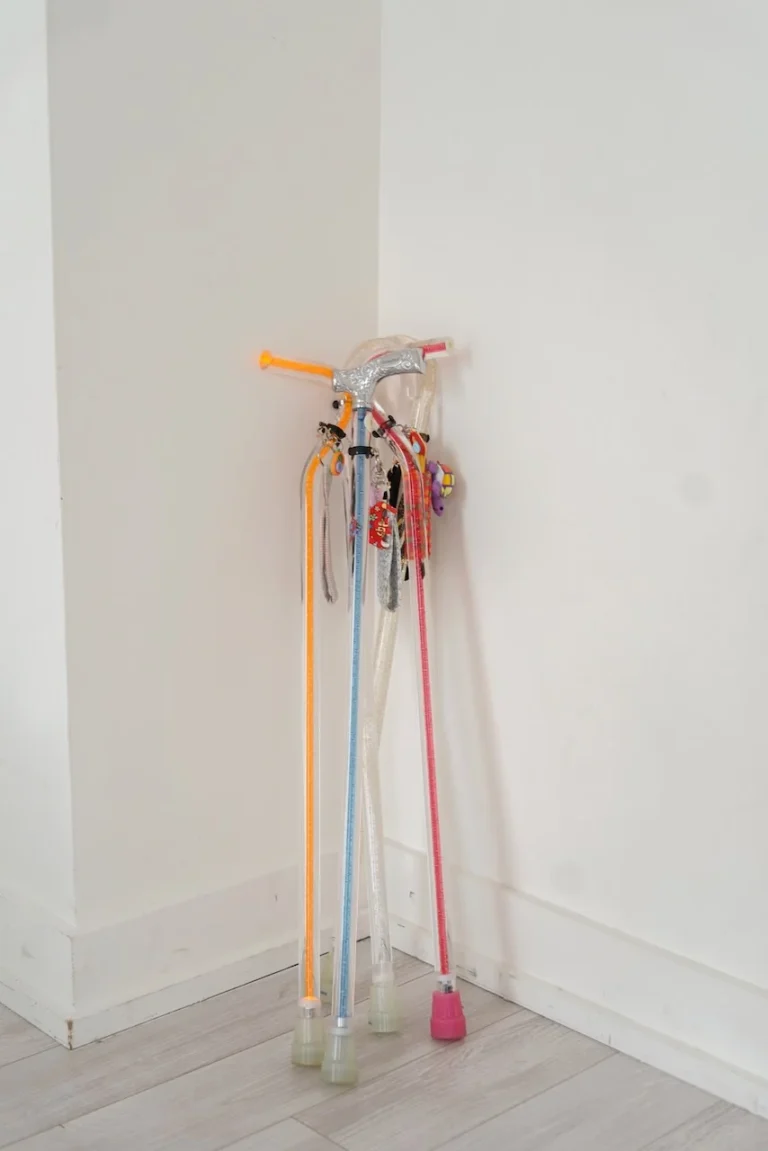
For millions of adolescents worldwide, the transition from childhood to adulthood is punctuated not only by academic pressures and social navigation but by the relentless, invisible weight of chronic pain. It is an exhausting, isolating, and often frustrating existence. Yet, as the global landscape grows increasingly complex—burdened by climate anxiety and societal volatility—the challenge of maintaining one’s mental and emotional equilibrium becomes even more pronounced for those whose bodies are already in a state of internal conflict.
When a physical flare-up coincides with the broader, overwhelming news cycle of the modern world, the psychological toll is immense. However, a growing movement of young voices is challenging the narrative that chronic pain must define the boundaries of a life. By pivoting toward creative expression, community building, and radical self-acceptance, these teenagers are proving that joy is not a luxury to be sacrificed at the altar of illness, but a necessary act of resistance.
The Chronology of Resilience: From Limitation to Creation
The journey of a teenager living with chronic pain is often one of meticulous planning. Every social outing, extracurricular activity, and academic deadline is scrutinized through the lens of physical capacity. “Can I manage this? Will I have enough energy tomorrow?” These are the silent, constant calculations that dictate the rhythm of daily life.
For many, this cycle leads to a sense of alienation—a feeling that one is living a "parallel" life alongside their peers, watching from the sidelines as the "normal" teenage experience unfolds. However, a shift occurs when individuals begin to reclaim their agency.
The Birth of Annotation
My own journey toward this realization culminated in the completion of my debut novel, Annotation. The creative process served as a sanctuary—a way to externalize the internal dialogue of living with persistent pain. Annotation is a romantic comedy that centers on two teenagers, one of whom navigates the complexities of chronic pain. By weaving these experiences into a narrative of growth and connection, the book aims to normalize the presence of illness while refusing to allow it to be the sole protagonist.
Writing this novel was not merely a creative exercise; it was a mechanism for processing the grief and frustration inherent in chronic illness. It was born from the hope that other teenagers, feeling the weight of their own conditions, might find a safe harbor within its pages—a reminder that they are not alone and that their stories have value beyond their diagnostic codes.
Supporting Data and the Digital Renaissance
In the autumn of 2024, I expanded my outreach by entering the digital "Bookstagram" community. The decision was born from a simple desire for connection. In an era where digital spaces are often criticized for their toxicity, the book-focused corners of platforms like Instagram offer a rare, nurturing environment.
Building a Digital Support Network
The impact of this decision was immediate and profound. By sharing my interests and engaging with like-minded individuals, I moved from a state of solitary endurance to one of communal strength. The data—both anecdotal and observational—suggests that for teenagers with chronic health conditions, digital communities act as a vital lifeline.
- Peer Validation: Interacting with others who share similar interests creates a sense of normalcy that physical isolation often strips away.
- Empathy-Based Friendship: Among the hundreds of connections I have made, a subset consists of individuals living with similar chronic illnesses. These friendships are qualitatively different; they are built on a bedrock of shared, lived experience.
- The "Good Day" Effect: Research into social support mechanisms indicates that brief, high-quality social interactions can measurably reduce perceived stress and improve pain management. A conversation with someone who "gets it" can fundamentally shift the trajectory of a bad day, providing the emotional regulation necessary to cope with physical symptoms.
The Scientific Gap: Why Community Matters
The medical community is currently in a state of reckoning regarding chronic pain. Despite advancements in diagnostic technology and pharmacology, the understanding of chronic pain in adolescents remains fragmented. Research is, quite frankly, nowhere near where it needs to be.
The Implications of Systemic Inadequacy
The lack of comprehensive, compassionate, and accessible treatment protocols leaves many teenagers feeling abandoned by the very institutions designed to help them. This systemic failure increases the burden of emotional labor on the patient. When the healthcare system cannot offer a complete solution, the role of social support becomes critical.
A supportive peer group does not replace medical intervention, but it acts as a primary buffer against the psychological comorbidities of chronic pain, such as anxiety and depression. When a teenager has a friend who can empathize with the frustration of a flare-up without the need for constant explanation, the energy expenditure required to "mask" or explain their condition decreases significantly. This preserved energy is then redirected toward living, creating, and sustaining a sense of identity that exists independently of their diagnosis.
The Philosophy of Whimsy: Reclaiming the Narrative
If there is one takeaway for those currently navigating the complexities of chronic pain, it is this: your pain does not have to overshadow the sweetness of your life. While it is true that chronic pain is a persistent companion, it does not hold the power to dictate the entire emotional spectrum of an individual.
Incorporating Whimsy into Daily Life
Finding a passion—whether it be writing, art, music, or digital community building—is a form of reclamation. It is an assertion that you are more than your medical chart.
- Distraction as a Tool: Engaging in hobbies that allow for "flow states" can act as a natural analgesic, shifting the brain’s focus away from pain receptors and toward creative output.
- The Power of Connection: Never underestimate the power of finding your "tribe." Whether online or in-person, connecting with others who share your struggles creates a safety net that makes the world feel smaller and more manageable.
- Radical Self-Permission: You are allowed to seek joy. You are allowed to be a teenager, to be messy, to be happy, and to pursue your goals, even while in pain. You should not have to sacrifice your personal happiness as a penance for your physical limitations.
Conclusion: A Future of Shared Resilience
As we look toward the future, it is imperative that we continue to advocate for better research, more holistic treatment plans, and greater public awareness of what it means to be a young person with chronic pain. But until the world catches up, we must continue to build our own solutions.
By fostering communities of empathy, sharing our stories through literature and art, and refusing to let the "scary" elements of the world—or our bodies—diminish our light, we redefine the teenage experience. We are not just patients; we are storytellers, creators, and friends.
The next time you find yourself struggling, remember that there is a vast community of people out there waiting to connect with you. Seek out the things that make you feel alive. Lean into the hobbies that bring you joy. And above all, know that while your pain may be a part of your story, it is only one chapter in a much larger, more beautiful narrative that you are actively writing every single day.
Let us continue to invite whimsy into our lives, not as a denial of our reality, but as a testament to our enduring capacity for hope. Our pain is real, but so is our joy. And that, ultimately, is the most important truth of all.