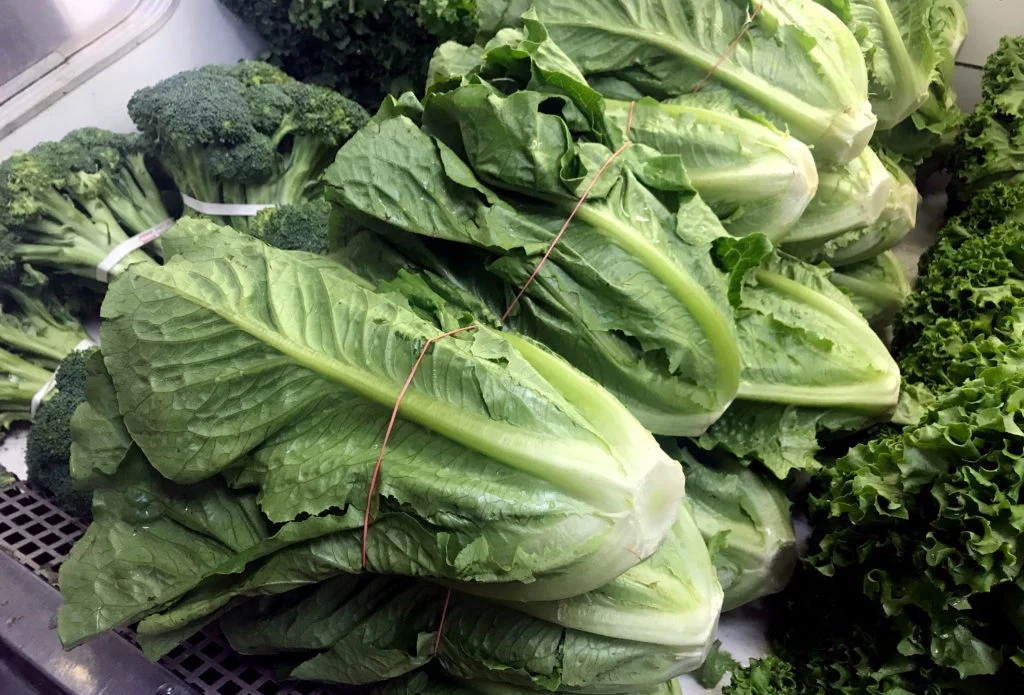
NEW YORK — The United States is currently grappling with an unprecedented surge in infections caused by Cyclospora cayetanensis, a microscopic, water-borne parasite that triggers severe gastrointestinal distress. According to preliminary state-level data and recent disclosures from federal health authorities, 2026 is officially on track to become the most severe year for cyclosporiasis in recorded U.S. history, surpassing the previous record of approximately 4,700 cases established in 2019.
As of mid-year, over 30 states have reported confirmed infections. While the illness is rarely fatal and is typically treatable with a specific course of antibiotics, the rapid spike in cases has triggered widespread alarm among public health officials, prompting intensive investigations into the nation’s food supply chain.
The Scope of the Crisis: A Nationwide Challenge
The current outbreak is characterized by a complex, multi-state footprint. While the Centers for Disease Control and Prevention (CDC) is still in the process of synthesizing data, recent reports indicate that since May 1, there have been 1,645 confirmed domestic cases, with an additional 5,100 cases currently undergoing rigorous analysis to determine if they originated within the United States or abroad.
The geographic distribution of the illness is broad. Michigan has been hit particularly hard, reporting over 3,300 cases. Other significant clusters include northwest Ohio with more than 1,100 cases, New York City with upwards of 400, and Illinois with more than 200. Health experts caution that these figures are almost certainly an undercount. Because many cases of cyclosporiasis present with mild symptoms or are misdiagnosed due to outdated testing protocols, the actual number of affected individuals likely reaches into the tens of thousands.
Chronology of the 2026 Outbreak
The timeline of the 2026 surge began to draw federal attention in late spring, consistent with the parasite’s preference for warmer weather.
- Early May: The first clusters of gastrointestinal illness were reported across several Midwest states.
- Late May/Early June: As reports in Michigan and Ohio climbed into the hundreds, local health departments began conducting granular patient interviews. These interviews identified a common denominator: the consumption of fresh produce, specifically lettuce and leafy greens.
- Late June: Michigan health officials officially identified lettuce as a primary suspect in their regional outbreak, advising consumers to avoid pre-packaged salad kits and bagged lettuce.
- Early July: Federal agencies, including the FDA and the CDC, formally announced that while there may be distinct infection patterns across the country, a unified investigation is underway for cases in Michigan, Ohio, Kentucky, and West Virginia.
- Mid-July: Taco Bell joined the list of concerned entities, voluntarily removing certain ingredients from select locations as a precautionary measure, though federal officials have remained tight-lipped regarding the specific distributors currently under investigation.
Understanding Cyclospora: The "Explosive" Parasite
Cyclospora cayetanensis is a single-celled, spherical parasite that targets the small intestine. The hallmark symptom of the infection, known as cyclosporiasis, is "explosive" watery diarrhea. Unlike bacterial pathogens that cause rapid onset of symptoms within hours, Cyclospora has an incubation period of several days to two weeks.
The parasite is typically transmitted through the ingestion of food or water contaminated with feces. In the context of industrial agriculture, this most often occurs when fresh produce—such as cilantro, basil, snow peas, or lettuce—is irrigated with water tainted by human waste. Because Cyclospora is remarkably resilient and survives well in warm, moist environments, it is a formidable challenge for food safety inspectors.
Historically, cyclosporiasis was considered a travel-related illness, primarily affecting those returning from tropical climates. However, the last decade has seen a shift. Improved diagnostic techniques, combined with changing global climate patterns that allow the parasite to thrive in new agricultural regions, have led to a steady increase in domestic, foodborne outbreaks.
Official Responses and Regulatory Hurdles
The response to the 2026 outbreak has been characterized by a tension between local vigilance and federal caution.
Natasha Bagdasarian, the chief medical executive of the Michigan Department of Health and Human Services, has been at the forefront of the investigation. After reviewing more than 1,000 patient surveys, Bagdasarian’s team identified a clear, consistent link to fresh lettuce. "Early information has shown lettuce as a common product that regularly comes up during the investigation," she stated, leading the state to issue specific guidance: purchase whole heads of lettuce, strip away the outer leaves, and wash the remaining core thoroughly.
Conversely, federal officials at the FDA have adopted a more measured approach. During a press briefing, Donald Prater, the FDA’s Acting Deputy Commissioner for Food, declined to confirm if specific restaurant chains or distributors were the primary targets of the agency’s traceback investigation. "FDA certainly is continuing its traceback investigation on multiple produce items, also including locations that are reported by the case patients before they became sick," Prater noted.
The CDC has echoed this caution, emphasizing that not all cases are connected to a single source. In Illinois, for example, more than 50% of the reported cases were tied to international travel, highlighting the difficulty in untangling domestic produce outbreaks from global patterns.
The Role of Climate and Technology
Public health experts argue that the record-breaking nature of 2026 is not merely a result of more people getting sick, but also a result of better detection and an evolving environment.
For years, many commercial diagnostic panels used in hospitals did not routinely test for Cyclospora. As testing has become more widespread and sophisticated, cases that previously would have been dismissed as "stomach flu" are now being confirmed as cyclosporiasis. Furthermore, scientists suggest that climate change is playing a role. As global temperatures rise, the regions where Cyclospora can thrive are expanding, potentially contaminating irrigation water in areas that were previously considered "low risk."
Implications for Consumers and the Food Industry
The implications of this surge are significant for both the supply chain and the average consumer. For the retail and restaurant sectors, the outbreak serves as a stark reminder of the vulnerabilities inherent in the fresh produce supply chain. The difficulty in performing a "traceback"—the process of identifying exactly which farm or processing plant a head of lettuce came from—remains a major hurdle for federal regulators.
For the public, the current recommendation is to remain hyper-vigilant regarding produce safety. While the risk of death is low, the morbidity associated with the illness—which can include bloating, cramping, fatigue, and weeks of digestive issues—is significant.
As we move through the remainder of the summer, the CDC anticipates that case numbers will continue to climb through August. The focus remains on two fronts: stabilizing the current outbreak through intensified traceback efforts and implementing longer-term strategies to improve the safety of irrigation water and the sanitation standards of produce-growing operations.
For now, the message from health officials is clear: wash your greens thoroughly, avoid high-risk pre-packaged salads when possible, and consult a physician if you experience prolonged, severe digestive symptoms. The 2026 Cyclospora outbreak is a reminder that even as medical technology advances, the basic challenge of keeping our food supply free from ancient parasites remains a modern-day battle.